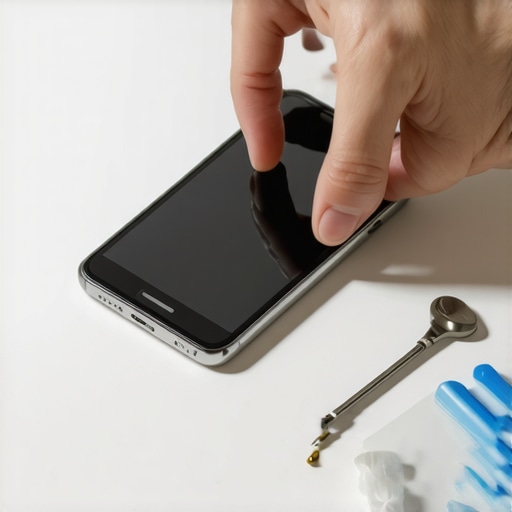
The specific sound of a windshield seal failing while you are on the highway
The Harmonic Warning: Deciphering the Windshield Whistle
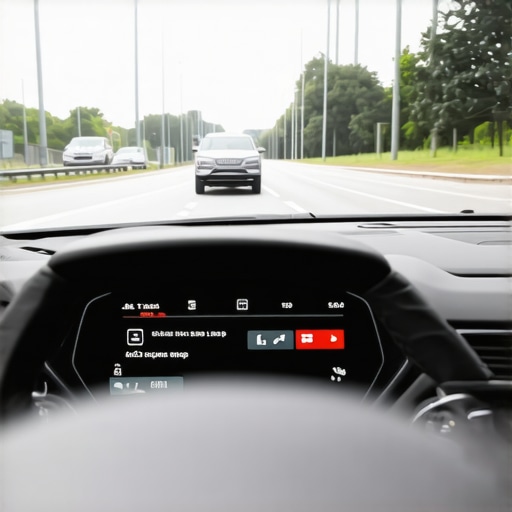
It begins as a faint, harmonic resonance that only appears once you cross the sixty-mile-per-hour threshold. By the time you reach highway cruising speeds, it transforms into a piercing, high-pitched shriek, similar to a reed instrument played by a ghost. As a glazier with over twenty-five years of experience handling everything from residential sash replacements to high-performance automotive glass, I know that sound instantly. It is the auditory signature of a compromised seal. It is not merely an annoyance: it is the sound of air infiltrating a structural bond, and it signifies that your glass is no longer performing its primary duty as a safety barrier.
A homeowner once called me in a panic because their newly installed windows were ‘sweating’ and making a whistling noise during a summer storm. I walked in with my hygrometer and a specialized ultrasonic leak detector. I showed them that the interior humidity was hovering at sixty percent, but more importantly, the ‘whistle’ was coming from a section where the installer had skipped a three-inch section of the sealant bead. In the world of glass, whether it is a fixed light in a residential Rough Opening or the laminated safety glass of a vehicle, the seal is the only thing standing between a controlled environment and total structural failure. When you hear that whistle on the highway, you are listening to the physics of high-pressure air seeking a path to the low-pressure interior of your cabin through a microscopic void in the urethane.
“Installation is just as critical as the window performance itself. A high-performance window installed poorly will fail.” – AAMA Installation Masters Guide
The Physics of the Seal: Why Mobile Service Must Be Precise
When we talk about same-day mobile service, many consumers think only of convenience. However, a master glass installer thinks about the atmospheric conditions and the chemical cross-linking of the adhesive. In a South or Hot climate, such as the blistering heat of Texas or Arizona, the enemy is not just the air temperature: it is Solar Heat Gain and UV degradation. In these regions, the Sun’s radiation beats down on the glass, which then transfers that heat to the urethane bead. This is why we focus on the Solar Heat Gain Coefficient (SHGC). While SHGC is a king metric for residential windows to keep cooling costs down, in automotive glass, we must consider how the glass reflects heat to protect the integrity of the bonding agents.
The failure you hear on the highway often stems from a lack of proper surface preparation. For a seal to be effective, the Glazing Bead and the pinch weld must be meticulously cleaned and primed. If a mobile service technician works too quickly in high-humidity or high-heat environments, the ‘open time’ of the urethane is shortened. This leads to ‘skinning,’ where the adhesive develops a dry outer layer before it can properly wet out the surface of the glass. The result? A bond that looks fine from the outside but contains microscopic tunnels that will eventually allow air and water to pass through. This is why a chip repair is so critical to address immediately. A small stone chip is a localized fracture that creates a stress riser. In the heat of the southern sun, the glass expands, and that chip becomes a crack that can compromise the entire structural envelope, leading to the dreaded whistle or even a total seal blowout during a pressure event.
The Installation Autopsy: Where the Whistle Is Born
To understand the failure, we must look at the ‘Shingle Principle.’ In residential construction, we ensure that every layer of Flashing Tape and Sill Pan is layered so that water and air flow down and away from the Rough Opening. Automotive glass follows a similar logic. The glass must be seated with perfect Shim alignment to ensure the urethane bead is compressed to the exact thickness specified by the manufacturer. If the glass is set too deep, the bead is too thin and lacks the flexibility to handle the chassis flex. If it is too shallow, the Glazing Bead or molding will not sit flush, creating a shelf for high-speed wind to catch and eventually tear at the adhesive.
“A window system is only as strong as its weakest interface, which is almost always the sealant or the flashing.” – ASTM E2112 Standard Practice
We also have to consider the ‘Weep Hole’ logic. Just as a Sill Pan in a house manages moisture that gets behind the cladding, the cowl of your vehicle is designed to manage water. If an installer is careless with the adhesive, they can inadvertently block the drainage paths. This causes water to pool against the bottom of the seal. Over time, through a process called hydrostatic pressure, that water is forced into the cabin. But long before the water arrives, the air will find the gap. This is why a same-day chip repair performed by a professional is more than a cosmetic fix: it is a preventative measure that keeps the laminated layers from delaminating. The PVB (Polyvinyl Butyral) interlayer in your glass is sensitive to moisture. If a chip is left open, humidity enters, the bond fails, and the glass loses its ability to remain Operable or structural in an accident.
The Math of Glass: Why Quality Trumps Speed
Many ‘Tin Man’ style installers will tell you that all glass is the same. They are wrong. In hot climates, we look for glass with a Low-E coating on Surface #2 to reflect heat back outside before it can even enter the cabin. This keeps the interior cooler and reduces the thermal stress on the urethane seal. When you hire a glass installer, you are paying for their knowledge of these variables. You are paying for someone who knows that a Sash or a windshield isn’t just a piece of clear material: it is a thermal and structural component. If the ROI on a high-end residential window takes decades, the ROI on a proper glass installation in your vehicle is immediate: it is measured in the silence of your drive and the safety of your passengers. Don’t be fooled by the high-pressure sales pitch of the lowest bidder. If they aren’t talking about primer cure times, pinch weld integrity, and atmospheric dew points, they aren’t installing your glass: they are just ‘caulking and walking.’ Real water and air management is a science, and your safety depends on the precision of that science. When that whistle starts on the highway, it is a signal that the science has failed, and it is time for a professional intervention before the air infiltration leads to a catastrophic failure of the glass system.
{ “@context”: “https://schema.org”, “@type”: “HowTo”, “name”: “How to Identify and Address a Failing Windshield Seal”, “step”: [ { “@type”: “HowToStep”, “text”: “Listen for high-pitched whistling or harmonic resonance at highway speeds, typically above 60 mph.”, “name”: “Auditory Inspection” }, { “@type”: “HowToStep”, “text”: “Use a spray bottle with soapy water along the exterior edges of the glass while the interior fan is on high to look for bubbles indicating air leaks.”, “name”: “Soap Bubble Test” }, { “@type”: “HowToStep”, “text”: “Contact a professional glass installer for a same-day chip repair or full seal assessment if leaks are found.”, “name”: “Professional Consultation” } ], “totalTime”: “PT60M” }