The truth about ‘liquid glass’ protectors and why they rarely work
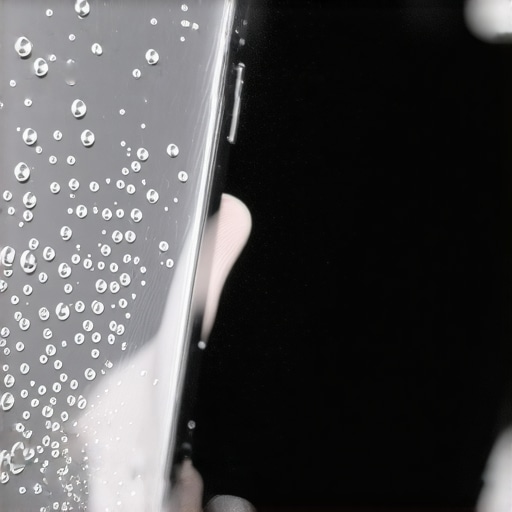
I recall a specific instance where a homeowner called me in a panic because their brand new windows were ‘sweating’ only three months after installation. I walked into that house with my hygrometer and a thermal imaging camera, ready to diagnose a seal failure. Instead, I found that the humidity in the room was a staggering 60 percent. The homeowner had applied a DIY ‘liquid glass’ protector they bought online, convinced it would stop condensation. I had to explain that it was not the windows failing; it was the physics of their lifestyle and a misunderstanding of how glass surfaces interact with the environment. The coating had actually made the condensation more visible by altering the surface tension of the glass, causing large, heavy droplets to form instead of a fine mist. This is the reality of the glazing industry today: homeowners are being sold chemical miracles for problems that require mechanical and thermal solutions.
The Molecular Myth of Liquid Glass
When a mobile service technician or a same-day glass installer offers you a liquid glass protector, they are usually talking about a silica-based or polysilazane coating. These are marketed as a way to make your glass ‘self-cleaning’ or ‘scratch-proof.’ As a master glazier, I look at the molecular level. Glass is not a perfectly flat, solid surface. Under a microscope, it looks like a mountain range with peaks and valleys, which we call pores. The theory behind liquid glass is that these nanocoatings fill those pores to create a hydrophobic surface. While this works in a laboratory setting on a clean piece of float glass, it rarely holds up in the field. Once that glass is installed in a Sash and exposed to the elements, the chemical bonding process is fighting against UV radiation, acid rain, and the physical expansion of the frame. Most liquid glass products do not form a covalent bond with the silica in the window; they simply sit on top as a film. This film begins to degrade the moment it is exposed to the sun’s long-wave infrared radiation.
“Installation is just as critical as the window performance itself. A high-performance window installed poorly will fail.” AAMA Installation Masters Guide
Why Same-Day Chip Repair and Coatings Are Not a Permanent Fix
We often see mobile service ads promising a permanent chip repair followed by a protective coating. Here is the technical truth: a chip in a piece of tempered or annealed glass is a structural failure. When a mobile service tech injects resin into a chip, they are trying to match the refractive index of the glass to hide the blemish. Adding a ‘liquid glass’ layer over this does nothing for the structural integrity of the pane. In fact, if the Glazing Bead is not properly seated or if the Weep Hole in the frame is clogged, moisture will find its way behind that coating. This leads to delamination. I have seen countless cases where a coating was applied over a small chip, only for the temperature fluctuations to cause the glass to expand at a different rate than the resin and the coating, leading to a massive stress crack. This is particularly prevalent in cold climates where the internal heat of a house meets the frigid exterior air, pushing the dew point right into the center of your glass assembly.
The Physics of Thermal Stress and Aftermarket Films
In the world of professional glazing, we focus on the U-Factor and the Solar Heat Gain Coefficient (SHGC). A ‘liquid glass’ protector does virtually nothing to improve these numbers. If you are in a northern climate, you need a Low-E coating on Surface #3 of your insulated glass unit to reflect heat back into the room. If you are in a southern climate, you need it on Surface #2 to keep the heat out. A liquid coating applied by a glass installer on the exterior (Surface #1) is purely cosmetic. It does not change how the Operable parts of the window manage heat. Furthermore, these coatings can sometimes create ‘hot spots’ on the glass if not applied with 100 percent uniformity. This uneven thermal absorption can lead to thermal shock, especially in high-performance double-pane units. I always tell my clients: if the glass wasn’t treated at the factory under clean-room conditions, you are just painting your windows with expensive silicon.
“The performance of a fenestration product is significantly influenced by the quality of the installation and the integrity of the perimeter seals.” ASTM E2112 Standard Practice
The Importance of the Rough Opening and Proper Flashing
No amount of liquid glass will save a window that was installed incorrectly. If your Rough Opening was not properly measured or if the installer skipped the Shim process, the frame will eventually twist. This puts pressure on the glass, making it even more susceptible to the chips and cracks that these protectors claim to prevent. A real glazier focuses on the Sill Pan and Flashing Tape. We ensure that the ‘shingle principle’ is followed, meaning every layer of the building envelope overlaps the one below it so water is shed away from the Rough Opening. When a ‘caulk-and-walk’ installer ignores these steps and tries to upsell you on a glass coating, they are distracting you from the fact that your Muntin bars are misaligned and your window will likely leak air within two seasons. Water management is a science, not a chemical spray.
The Reality of Maintenance: Beyond the Spray Bottle
If you want your windows to last 30 years, forget the liquid glass. Focus on the mechanics. Check your Weep Hole outlets to ensure they are clear of debris. Inspect the Glazing Bead for any signs of shrinkage or cracking. If you have wood windows, ensure the paint or stain is not failing, as this can lead to rot in the Sash. The ‘liquid glass’ industry thrives on the idea that homeowners want a maintenance-free life. But windows are dynamic systems. They move, they breathe, and they respond to the weight of the building. A mobile service technician can fix a chip, but they cannot fix a poorly engineered window system with a spray-on shield. Stick to the NFRC-rated glass and ensure your installer knows how to properly seal the perimeter with high-quality backer rod and sealant, rather than relying on a magic coating to keep the elements at bay. Real protection comes from 25 years of knowing how water and air move through a wall, not from a bottle of silica.