Why your windshield is a critical part of your airbag system
The Hidden Structural Necessity of Automotive Glazing
Most vehicle owners view their windshield as nothing more than a transparent shield against wind and insects. From the perspective of a master glazier with a quarter-century in the trade, that glass is a sophisticated structural component that serves as the foundation for your vehicle’s entire safety envelope. When we talk about a glass installer performing a same-day mobile service, we are not just talking about aesthetics; we are talking about maintaining the structural integrity of a life-saving system. A homeowner recently called me in a panic because their new windshield was sweating and making a whistling noise at highway speeds. I walked in with my hygrometer and a pressure tester and showed them that the moisture was not the issue; it was the fact that the previous installer had failed to prep the pinchweld properly. The bond had failed. In a collision, that glass would have popped out like a cork from a bottle, rendering the passenger airbag completely useless.
The Physics of Airbag Deployment and Glass Resistance
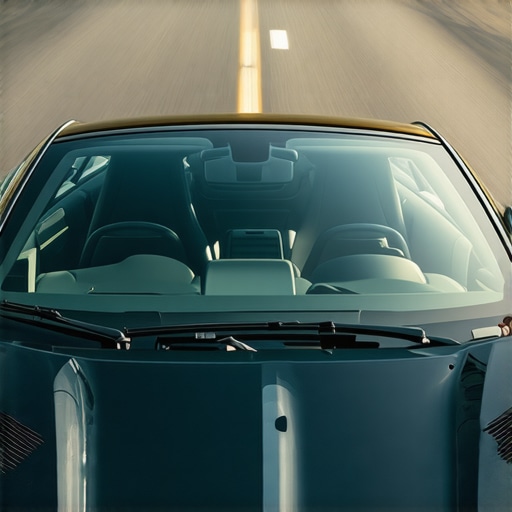
In modern vehicle design, the passenger-side airbag is designed to deploy upward, striking the interior surface of the windshield before rebounding toward the occupant. This means the glass acts as a backstop. If the bond between the glass and the vehicle frame is compromised by a poor chip repair or a rushed installation, the force of the airbag deployment (which occurs in milliseconds with immense pressure) will simply push the windshield out of the rough opening. When the glass fails to stay in place, the airbag expands into the void outside the car rather than protecting the passenger. This is why the technical specifications of the urethane adhesive are so critical.
“Installation is just as critical as the window performance itself. A high-performance window installed poorly will fail.” AAMA Installation Masters Guide
To understand this, we must look at the molecular level of the bond. We use high-modulus urethanes that provide a specific tensile strength. If a mobile service technician ignores the cure time or fails to use the correct primer on the frit (the black ceramic band around the edge of the glass), the chemical cross-linking required for a structural bond never occurs. This is not a place for a caulk-and-walk approach. We use specialized shims to ensure the glass is centered perfectly within the frame, maintaining a consistent bead of adhesive that can withstand thousands of pounds of force.
Climate Logic: Thermal Stress and Bond Integrity
The environment plays a massive role in how glass performs. In colder climates like Minneapolis or Chicago, the enemy is heat loss and the contraction of materials. When the temperature drops, the metal frame of the car and the glass expand and contract at different rates. This puts immense shear stress on the bond line. If you have a small rock chip, the moisture that enters that chip will freeze and expand, turning a simple chip repair into a full-length crack overnight. In these northern zones, the U-Factor of the glass and the flexibility of the urethane are paramount. We must ensure the glass is warmed to a specific temperature before application to ensure the adhesive doesn’t shock and lose its grip.
“Proper window and glass installation is the primary defense against structural failure during extreme pressure events.” ASTM E2112 Standard Practice
Conversely, in the southern heat of Phoenix or Florida, the Solar Heat Gain Coefficient (SHGC) is the primary concern. Intense UV radiation can degrade inferior adhesives that lack proper UV stabilizers. The radiant heat from the sun can reach temperatures on the dashboard that exceed 180 degrees Fahrenheit. If the glass installer uses a low-grade urethane, the heat can cause the material to soften, potentially compromising the airbag’s backstop capability. We look for glass with advanced Low-E coatings on Surface 2 to reflect that infrared energy away from the cabin and the bond line.
The Anatomy of a Professional Installation
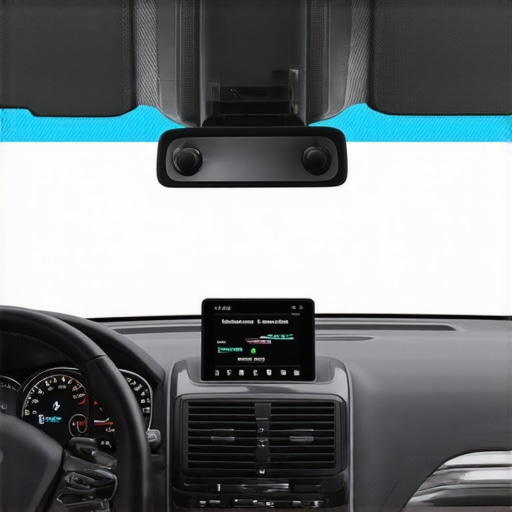
A proper installation autopsy reveals the difference between a master and an amateur. It begins at the pinchweld. Any old urethane must be trimmed down to a thin, level base, leaving a clean surface for the new bead. We check the rough opening for any signs of corrosion. If rust is present, the bond will fail because the urethane is sticking to the rust, not the steel. We then apply a specialized primer that acts as a bridge between the metal and the adhesive. The sash, or the perimeter of the glass, must be cleaned with a laboratory-grade solvent to remove any silicones or oils from the manufacturing process. Only then do we lay a triangular bead of urethane that ensures maximum contact area. We also have to consider the ADAS (Advanced Driver Assistance Systems). The cameras mounted behind the glass rely on the optical clarity of the glazing. Even a slight distortion in the glass or a minor misalignment in the shim process can cause your lane-keep assist or emergency braking to malfunction. This is why same-day service must be balanced with the necessary cure times for the specific adhesive used. You cannot rush the chemistry of safety.