Why insurance companies prefer professional chip repairs over replacements
The Anatomy of Glass Failure and the Insurance Logic
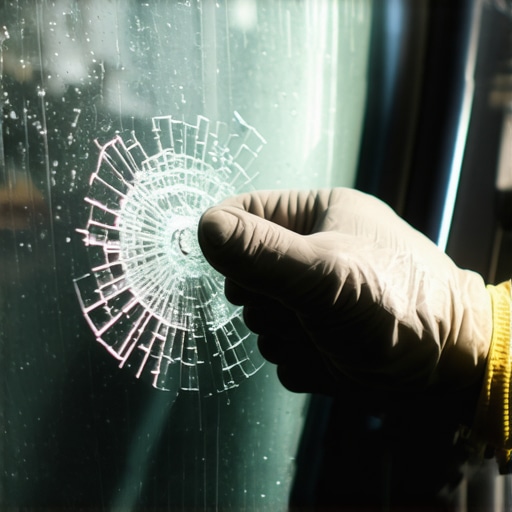
The sound is unmistakable. It is a sharp, high-frequency snap that signals a breach in your glazing. Whether it is a stray stone hitting a residential window or debris striking a commercial storefront, the initial reaction is usually a mix of frustration and fear of a massive bill. However, the modern glass installer understands that a chip is not a death sentence for a window. I sat across from a high-pressure salesman once who was trying to convince a property owner that a 5mm bullseye chip in a lobby window required a full frame tear-out and a $5000 curtain wall section replacement. I had to intervene. I explained to the homeowner that the ROI for a replacement in that context was nearly 150 years, while a professional chip repair would restore the structural integrity of the lite for a fraction of the cost. Insurance companies have reached the same conclusion. They prefer professional chip repairs because they are a surgical strike against a larger problem, avoiding the cascading failures often introduced during a full replacement process.
“Installation is just as critical as the window performance itself. A high-performance window installed poorly will fail.” – AAMA Installation Masters Guide
The Physics of the Chip: Why it Spreads
To understand why a glass installer prioritizes same-day mobile service for repairs, one must understand the molecular tension of the glass. Modern windows are often tempered or heat-strengthened. When a chip occurs, it creates a point of localized stress. In northern climates like Chicago or Minneapolis, the enemy is thermal expansion and contraction. During a freezing January, the interior of the glass is heated to 70 degrees while the exterior face is exposed to sub-zero temperatures. This creates a massive thermal gradient. If a chip is present, the glass cannot distribute this stress evenly. The chip becomes a focal point where the crack begins to ‘run.’ The U-Factor of the window, which measures heat loss, is compromised as the structural integrity of the glass lite fails. By utilizing a mobile service to inject a high-grade resin with a refractive index of 1.51, we can stabilize that stress point before the temperature swings turn a $150 repair into a $2000 sash replacement.
The Risk of the ‘Caulk and Walk’ Replacement
Insurance adjusters are data-driven. They know that every time a full window replacement occurs, there is a risk of improper flashing or damage to the rough opening. I have seen countless cases where a perfectly good frame was ripped out to fix a minor glass defect, only for the new installer to fail at creating a proper sill pan or applying flashing tape correctly. This leads to water infiltration, rot in the header, and eventual mold. In southern climates like Texas or Florida, a replacement also risks breaking the seal of the building envelope, allowing humidity to bypass the window’s thermal break. A professional chip repair avoids disturbing the factory-sealed glazing bead and the original weatherstripping. It maintains the existing Solar Heat Gain Coefficient (SHGC) without the risk of an installer forgetting to shim the new frame properly. Insurance companies prefer the ‘zero-touch’ approach of a chip repair because it leaves the original, functional flashing system intact.
“Field repairs of minor glass damage, when performed according to rigorous standards, can restore the structural integrity of the lite without the risks associated with full unit removal.” – ASTM E2112 Installation Standards
The Science of Resin Injection
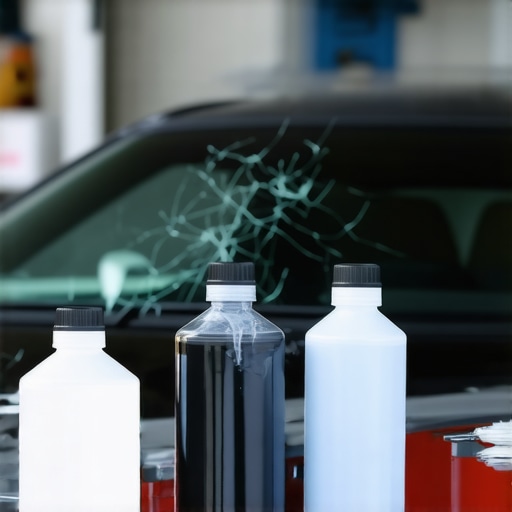
A professional glass installer does not just ‘fill’ a hole. The process involves creating a vacuum to remove air and moisture from the chip. If moisture is left inside, it will expand when it freezes or turns to vapor in the summer heat, blowing the repair apart. Once the vacuum is established, a specialized resin is injected under pressure. This resin must mimic the optical properties of the glass so that the visible transmittance is not affected. We then use UV light to cure the resin, essentially welding the glass back together at a molecular level. This same-day service is vital because it prevents road salt, oils, and dirt from contaminating the chip. Once a chip is contaminated, the clarity of the repair drops significantly. This is why insurance companies often waive the deductible for chip repairs. They know that paying for a mobile service today prevents a much larger claim for a full operable unit replacement next month. They are betting on the science of the repair over the labor-intensive and error-prone process of a total replacement.
Thermal Stress and Climate Logic
In high-heat regions, the logic shifts toward managing the radiant heat of the sun. If you have a Low-E coating on Surface #2 of your glass, a chip can potentially oxidize that coating if air reaches it. A mobile service technician can seal that breach immediately, preserving the window’s ability to reflect long-wave infrared radiation. If the chip is left open, the silver-based Low-E layer begins to degrade, leading to a permanent ‘fog’ around the impact site. This is not just about aesthetics; it is about maintaining the performance ratings that keep your cooling bills manageable. Whether you are dealing with a muntin-divided sash or a large picture window, the goal remains the same: preserve the factory seal. Replacing a glass unit in the field is never as perfect as the original factory glaze. By choosing repair, you are keeping the original weep holes clear and the factory-applied glazing bead undisturbed. It is the more technical, precise, and logically sound choice for any property owner concerned with long-term durability and energy efficiency.