How to tell if water reached the internal logic board
The Invisible Threat to Modern Fenestration
As a Master Glazier with over a quarter-century in the field, I have seen the industry shift from simple single-pane wood sashes to complex, computer-controlled smart glass systems. A window is no longer just a piece of transparent silica, it is a sophisticated thermal barrier that, in modern high-end installations, often includes electrochromic layers or motorized operators. When you ask how to tell if water reached the internal logic board of these systems, you are dealing with the intersection of structural waterproofing and electronic failure. A single drop of water can bridge the gap between voltage traces on a control board, leading to short circuits that bypass the intentional logic of the window system. My intolerance for the typical caulk-and-walk installer stems from exactly this: they do not understand that a window is a hole in a building that the environment is constantly trying to exploit.
The Condensation Crisis: A Master Glazier’s Perspective
A homeowner called me in a panic because their new automated windows were ‘sweating’ and the touch-capacitive controls had stopped responding. I walked in with my hygrometer and showed them the humidity was 60 percent. It was not the windows; it was their lifestyle choices meeting the physics of the Dew Point. When warm, moist indoor air hits the cold surface of a glass unit, the air temperature drops below its saturation point and releases liquid water. In this specific case, that water was not just on the glass; it had tracked behind the glazing bead and dripped directly onto the integrated logic board housed within the sill. The moisture had not come from a leak in the traditional sense, but from an internal climate failure that the installation had not accounted for.
“Installation is just as critical as the window performance itself. A high-performance window installed poorly will fail.” – AAMA Installation Masters Guide
Decoding the Signs of Logic Board Ingress
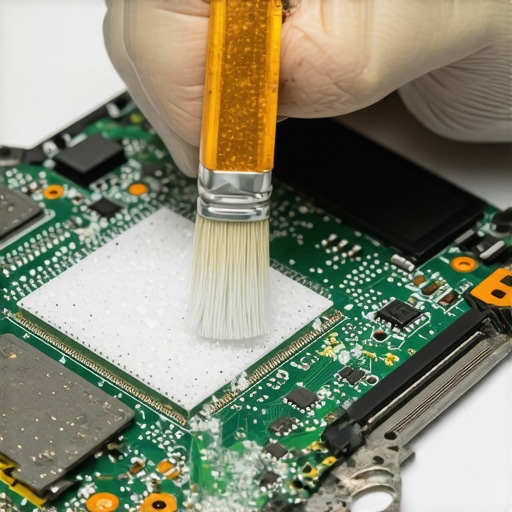
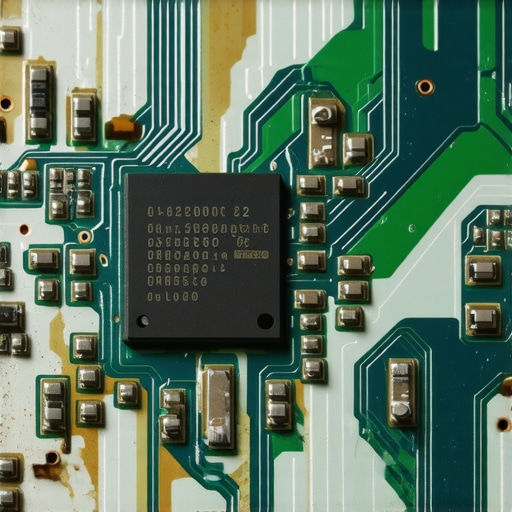
To determine if moisture has reached the internal logic board of your window system, you must look for specific physical and functional markers. First, observe the behavior of the operable components. If the motor stutters, fails to reach its limit switch, or if the glass tinting becomes blotchy or unresponsive, you are likely looking at a compromised control unit. Water ingress often leaves a ‘tide mark’ of mineral deposits on the PCB. Even after the water evaporates, the calcium and magnesium left behind remain conductive, creating parasitic loads that drain power and confuse the system logic.
Check the Rough Opening for signs of tracking. If the flashing tape was not applied with the Shingle Principle in mind, gravity will pull water behind the nailing fin. From there, it follows the path of least resistance, which is often the wiring harness leading directly to the logic board. Look for corrosion on the pins of the connectors. A green or white powdery substance on the copper contacts is a definitive sign that water has been present and has begun the process of galvanic corrosion. This is why a proper Sill Pan is non-negotiable. Without a sloped sill pan to direct water back to the exterior via weep holes, any moisture that bypasses the primary seals will inevitably pool around the electronics.
The Physics of the Northern Climate: Condensation and U-Factor
In cold climates like Chicago or Minneapolis, the enemy is Heat Loss and the resulting condensation. We focus heavily on the U-Factor, where a lower number indicates better insulation. In these regions, we utilize triple-pane units with Argon or Krypton gas fills and Low-E coatings positioned on Surface #3. This reflects long-wave infrared radiation back into the room. However, if the warm-edge spacers are not high-quality, the edge of the glass remains cold. This creates a localized Dew Point at the base of the sash. If that moisture sits on the glazing bead, capillary action can draw it into the internal frame cavity where the logic boards are housed.
When I perform a mobile service for a client, I am not just looking for a quick fix. If there is a glass chip, a same-day chip repair is vital because that chip can become a stress crack that compromises the hermetic seal of the Insulated Glass Unit (IGU). Once the seal fails, the desiccant in the spacer bar becomes saturated, and the internal logic of the window’s thermal performance is destroyed. This leads to internal fogging and, eventually, water pooling at the bottom of the frame, right where the electronic sensors are located.
The Anatomy of a Leak: The Installation Autopsy
When I conduct an installation autopsy on a failing system, I start at the top with the drip cap. If the drip cap is missing or not tucked behind the house wrap, water will run down the jack studs and into the header. This water can travel through the internal cavities of the window frame. For automated systems, the wiring is often routed through these same cavities. If you see water on the interior sill, the logic board is already at risk. You must check the weep holes. Many installers mistakenly caulk the weep holes shut, thinking they are preventing drafts. In reality, they are trapping water inside the frame, effectively drowning the logic board in a stagnant pool of rainwater.
“Standard Practice for Installation of Exterior Windows, Doors and Skylights must ensure that water is managed and shed to the exterior.” – ASTM E2112
The use of shims is another area where I see constant failure. If a window is not level, plumb, and square, the sash will not seat properly against the weatherstripping. This creates an air leak. In winter, that air leak brings in cold air that chills the internal frame. If your logic board is located near that cold spot, it becomes a magnet for condensation. I have seen many ‘high-tech’ windows fail because a basic shim was placed incorrectly, causing the frame to bow and the seals to gap. A glass installer must be as much a carpenter and a physicist as they are a glazier.
The Role of Mobile Service and Professional Diagnosis
If you suspect water has reached your electronics, a mobile service technician should be called immediately. This is not a job for a handyman. A specialist will use thermal imaging to trace the moisture path without tearing out the drywall. They can identify if the water is entering through a failed glazing bead or if it is a structural flashing issue. In many cases, if caught early, the logic board can be cleaned with isopropyl alcohol to remove mineral deposits and the source of the leak can be mitigated. However, if the corrosion is advanced, the entire control module must be replaced, and the window must be re-flashed according to modern standards.
Do not be fooled by the marketing hype of ‘maintenance-free’ windows. Every operable window requires inspection of its seals and weep systems. Water management is a science, not an afterthought. Whether you are dealing with a simple chip repair or a complex electronic failure, the principles of the Shingle Principle and proper thermal bridging must be respected. If they are not, your expensive smart window becomes nothing more than a very expensive, very leaky hole in your wall.