Why you should not use windex on a fresh windshield repair
The Chemistry of the Cure: Why Your Cleaning Habits Kill Quality Glass Repairs
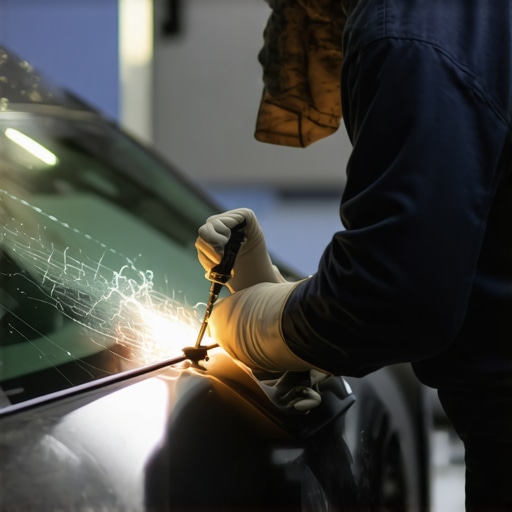
I have spent twenty-five years as a master glazier, and if there is one thing that gets my blood boiling, it is the ‘caulk-and-walk’ mentality. Whether I am hanging a curtain wall on a forty-story skyscraper or performing a precise chip repair on a laminated windshield, the physics of glass remain constant. Glass is not a static surface; it is a dynamic material that breathes, expands, and contracts with every thermal shift. When a mobile service technician finishes a same-day repair, that glass is in a state of chemical transition. Reaching for a bottle of Windex immediately afterward is the fastest way to turn a professional-grade structural fix into a cloudy, compromised mess.
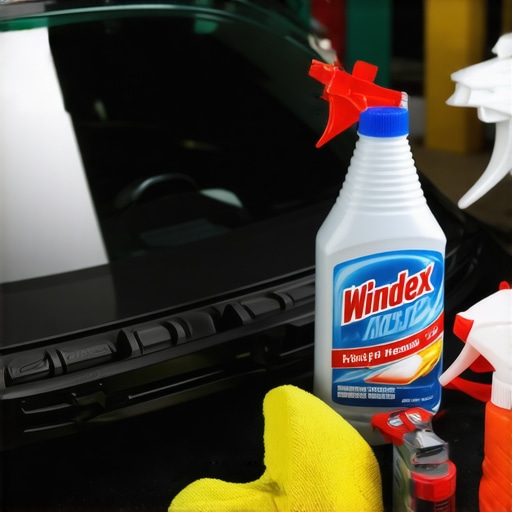
I remember a specific instance that perfectly illustrates this. A homeowner called me in a panic because their brand-new windshield repair was ‘sweating’ and turning a milky white color only an hour after the glass installer had packed up. I walked out to the driveway with my hygrometer and a magnifying loupe. I didn’t even need the tools. The telltale scent of synthetic ammonia was hanging in the air. The owner had seen a small fingerprint near the repair site and doused the entire area with blue window cleaner. It wasn’t a failure of the resin; it was a failure to respect the chemistry of the cure. By introducing surfactants and ammonia to a fresh photopolymer, they had effectively halted the cross-linking process, leaving the resin in a semi-liquid, hazy state that could no longer bond to the glass substrate.
“The success of a laminated glass repair depends entirely on the exclusion of contaminants from the break before and during the resin injection process. Post-repair care is equally vital to maintain the refractive index of the cured material.” – NWRA Quality Standards
The Anatomy of the Repair: Resin vs. Ammonia
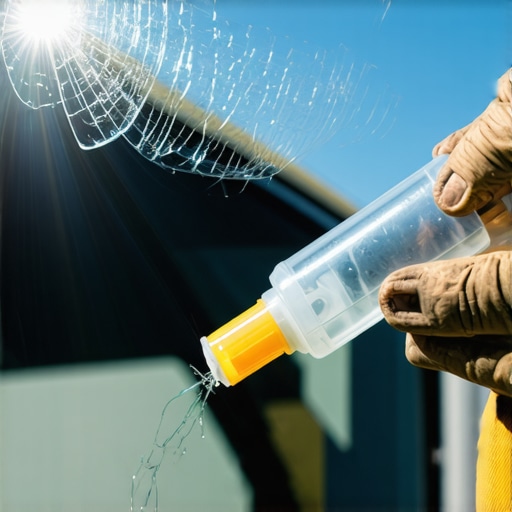
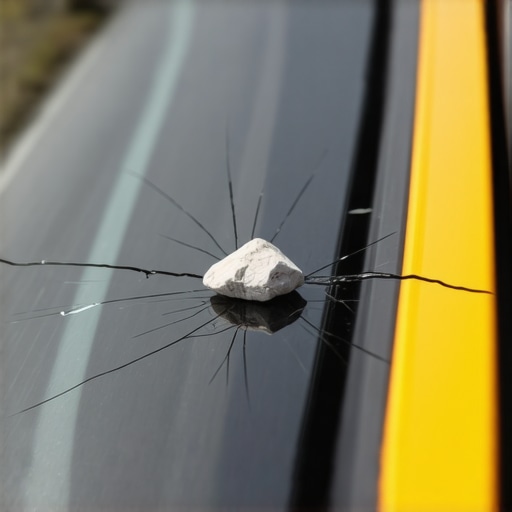
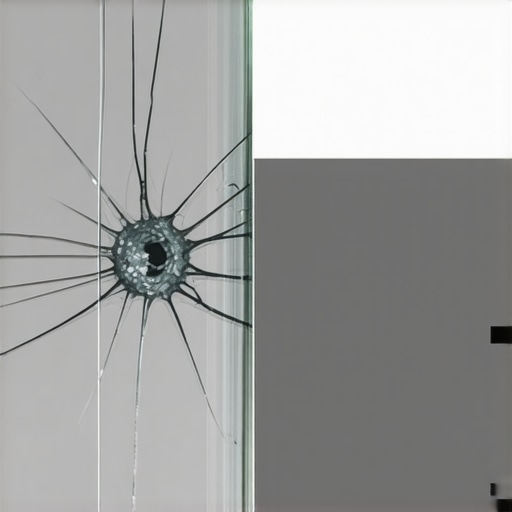
To understand why Windex is a lethal injection for a fresh repair, we have to look at ‘Glazing Zooming.’ We aren’t just filling a hole. When a chip repair is performed, we are injecting an anaerobic acrylic resin into the microscopic fissures of the glass. This resin is engineered to match the refractive index of soda-lime glass, which is approximately 1.52. This ensures that the light passes through the repair rather than reflecting off the crack, making the damage disappear. However, this resin requires a precise UV-triggered polymerization process to reach its full structural hardness.
Windex and similar cleaners contain ammonium hydroxide and various detergents. If these chemicals reach the pit filler before it has fully reached a state of molecular stability, a process similar to saponification occurs. The ammonia attacks the unlinked monomers of the resin, breaking the surface tension and infiltrating the rough opening of the chip. This results in ‘blossoming,’ where the repair looks like it is growing white roots inside the glass. Once that ammonia is in there, there is no extracting it. You have effectively ruined the structural integrity of the laminate.
Thermal Shock and the Expansion Coefficient
In hot climates, specifically in regions like Texas or Arizona, the mobile service aspect of glass repair becomes a high-stakes game of thermodynamics. When your car sits in the sun, the windshield can easily reach temperatures exceeding 140 degrees Fahrenheit. The glass installer must carefully manage the glass temperature before beginning the chip repair. If the repair is performed and you immediately spray a cool liquid like Windex onto that hot glass, you are inducing a localized thermal shock.
The expansion coefficient of the PVB (polyvinyl butyral) interlayer in your windshield is different from the glass itself. Rapid cooling causes the glass to contract at a different rate than the resin, which is still settling. This can cause ‘flow-outs,’ where the pressure of the contraction forces the resin out of the break before it can bond. As a master glazier, I always check the ‘Dew Point’ and the glass temperature because if the glass is too hot, the resin will become too thin and lose its ability to bridge the gap in the break. If it’s too cold, the resin won’t flow into the extremities of the star-break.
“Surface preparation and the environmental conditions during the curing phase are the primary determinants of long-term bond strength in all glazing applications.” – ASTM E2112 Standard Practice
The Role of the Pit Filler and Glazing Beads
In architectural glazing, we use a glazing bead to hold the glass in place and provide a seal. In a windshield repair, the pit filler acts as your primary seal against the elements. It is the hard, outer cap that protects the thinner, more flexible repair resin inside. This pit filler is the most vulnerable part of the repair in its first twenty-four hours. It needs to be ‘shinned’ and polished to a flat surface that matches the sash-like perimeter of the glass. When you apply a harsh cleaner, you are essentially degreasing a surface that needs those oils and polymers to stay intact while they reach peak hardness. This can lead to the pit filler popping out, which exposes the inner resin to moisture, dirt, and road salt.
Why Same-Day Service Doesn’t Mean Same-Minute Cleaning
We live in a world of instant gratification, but glass science doesn’t care about your schedule. A same-day mobile service provides convenience, but it does not bypass the laws of physics. The resin might be ‘cured’ enough for you to drive the car, but it is not chemically inert for several hours. This is why a professional glass installer will tell you to stay away from the car wash and the spray bottle for at least a full day. The weep hole logic we use in window frames—where we allow for a path for moisture to escape—does not apply here. We want a total, hermetic seal. Any chemical interference during the first cycle of heating and cooling will compromise that seal.
The Myth of the Quick Fix
Many people think that because the chip repair only took twenty minutes, it’s a simple process. They don’t see the shim-like precision required to level the bridge, the careful monitoring of the UV light frequency, or the vacuum pressure used to extract air from the break. If the air isn’t fully removed, any liquid you spray on the glass will be sucked into the tiny air pockets via capillary action. This is the ‘Tin Man’ approach to glass—selling you a shiny surface while the core is hollow. A real glazier ensures the vacuum is held and the resin is pure.
If you have a smudge on your windshield after a repair, use a dry, microfiber cloth. No liquids. No alcohols. No ammonia. Give the material time to become one with the glass. You are not just cleaning a window; you are maintaining a structural safety component of your vehicle. Treat the glass with the same technical respect I do when I am installing a five-hundred-pound insulated glass unit in a high-rise. Precision, patience, and the right chemistry are the only ways to ensure your view remains clear and your family stays safe behind the glass.