
Stop Treating Your Car’s Safety Sensors Like Standard Glass
Precision auto glass engineered for modern vehicle safety.
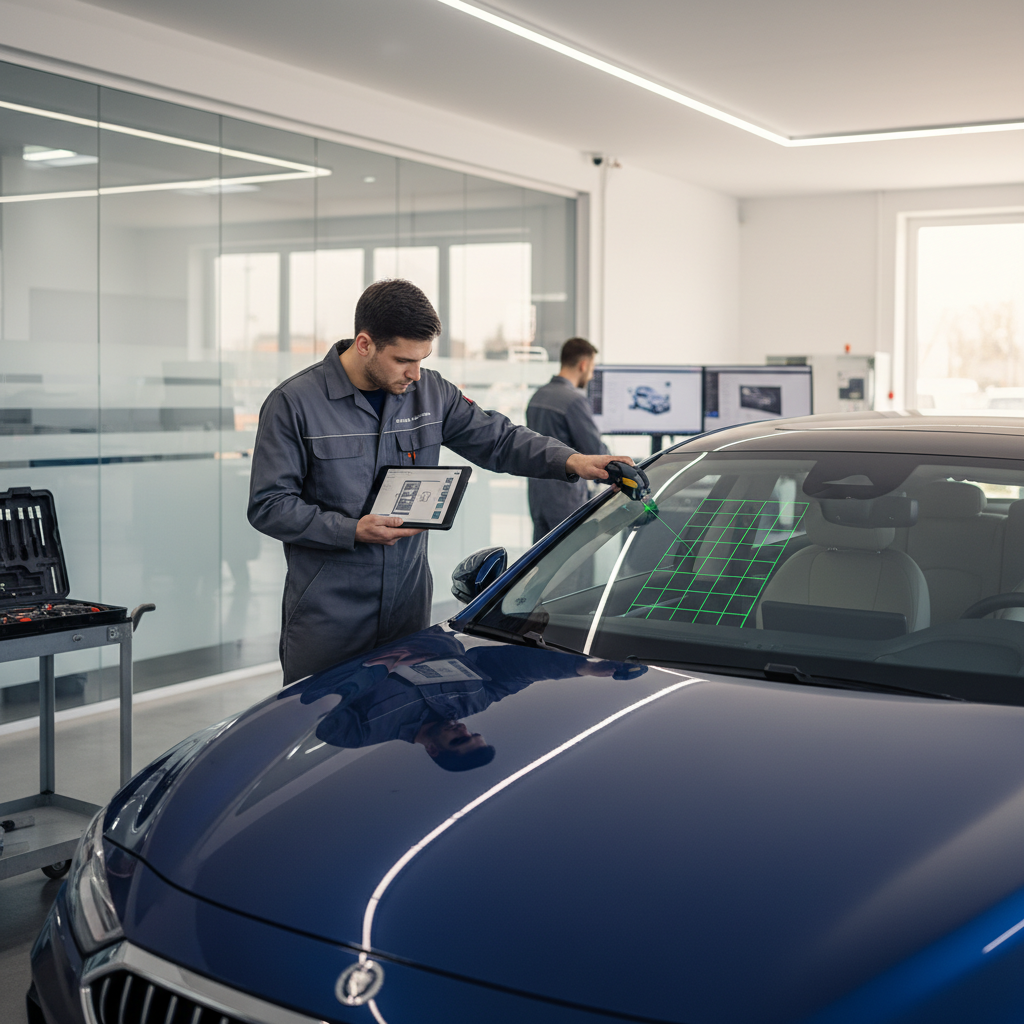
Modern windshields house the critical hardware for your Advanced Driver Assistance Systems (ADAS). A replacement without laser-precise digital calibration compromises your automatic emergency braking and lane departure warnings. We engineer exact OEM-spec replacements for San Diego drivers.
Engineered Precision for Modern Vehicle Architecture
📐 Dynamic & Static Calibration
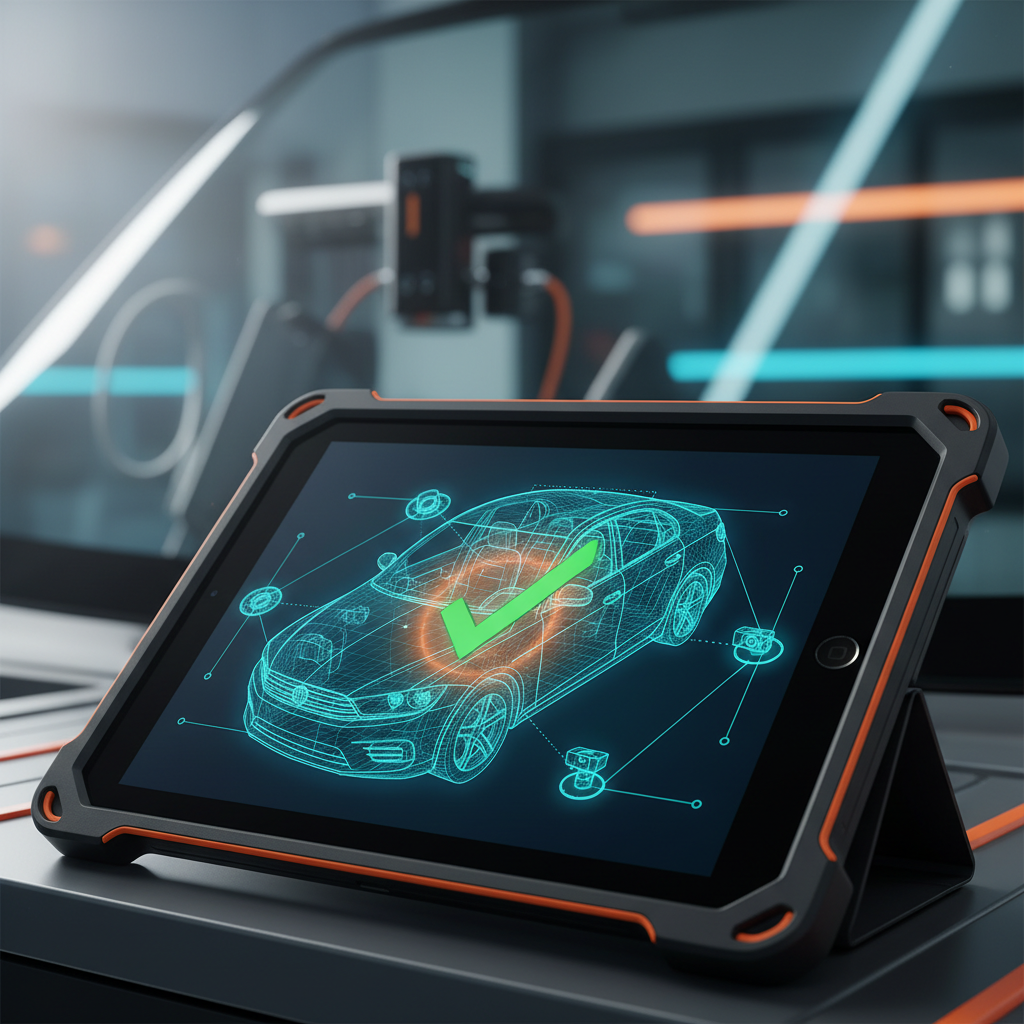
We execute both static target board calibration and dynamic road testing protocols. This ensures your forward-facing cameras communicate perfectly with the vehicle’s ECU at highway speeds.
🔬 OEM-Grade Glass Standards
Aftermarket glass often features optical distortion that blinds ADAS sensors. We specify only OEM or OEE glass that meets exact light transmission and acoustic dampening metrics.
⏱️ Advanced Urethane Curing
Your windshield provides up to 45% of the cabin’s structural integrity in a rollover. We use fast-cure urethane with a verified Safe Drive Away Time (SDAT) of 30 minutes at 70 degrees Fahrenheit.
💻 Pre- and Post-Scan Diagnostics
We interface directly with your OBD-II port before and after installation. You receive a digital log proving all camera modules are free of diagnostic trouble codes.
🌡️ Acoustic & Thermal Integrity
Modern glass regulates cabin temperature and road noise. We verify exact Sound Transmission Class (STC) ratings to maintain your vehicle’s original acoustic engineering.
The Hardware Replacement and Calibration Protocol
1
Run OBD-II Diagnostic Scan
We connect to your vehicle’s diagnostic port to read existing fault codes. This establishes the baseline health of your lane-keep and collision-avoidance systems before we remove the glass.
2
Execute Structural Glass Installation
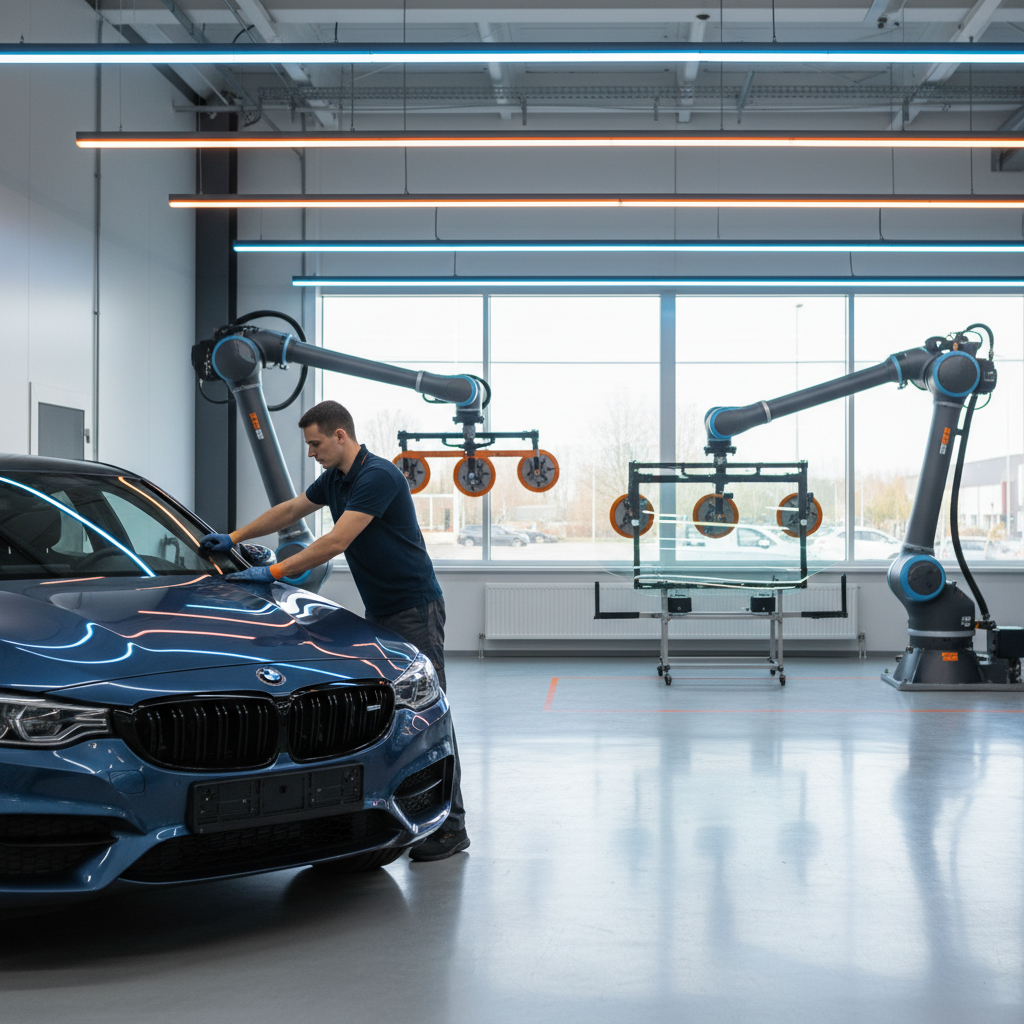
Technicians strip the old adhesive down to the pinch weld and apply high-modulus urethane. The new OEM-spec glass is seated with mechanical precision to ensure zero sensor distortion.
3
Perform Laser-Guided ADAS Calibration
We align optical targets using laser measurements accurate to 0.1 millimeters. The vehicle’s computer is then reprogrammed to recognize the new camera pitch and yaw angles.
Technical Glass and Sensor Calibration Services
📷 ADAS Camera Recalibration
Direct ECU reprogramming for forward-facing cameras. Required after any windshield replacement or suspension alteration to maintain automatic braking functionality.
🚘 OEM Windshield Replacement
Structural glass installation using factory-authorized materials. We restore the exact acoustic and thermal properties your vehicle left the assembly line with.
📊 Diagnostic Trouble Code (DTC) Clearing
Deep system scans to identify and resolve sensor communication errors. We provide a full digital printout of your vehicle’s safety network status.
🌧️ Rain Sensor Initialization
Re-bonding and digital activation of automatic wiper sensors. We ensure the infrared light refraction matches factory specifications for instant moisture detection.
🛩️ Heads-Up Display (HUD) Alignment
Specialized replacement for windshields featuring embedded HUD projection layers. We eliminate ghosting and double-vision effects common with incorrect aftermarket glass.
🛡️ Pinch Weld Treatment
Rust remediation and primer application on the vehicle frame before installation. This prevents structural failure of the urethane bond during a collision.
Why an IT Systems Administrator Fixes Windshields
Modern vehicles are rolling local area networks. When I transitioned from managing enterprise IT systems to the auto glass industry, I noticed a terrifying disconnect. Installers were treating windshields like simple pieces of glass, completely ignoring the complex computer networks attached to them.
The forward-facing camera mounted to your windshield controls the Advanced Driver Assistance Systems (ADAS). If that camera is misaligned by just one degree during a glass replacement, your automatic emergency braking will miscalculate a stopping distance by up to 50 feet at 60 mph. That is a hardware failure I refuse to accept.
We built Windshield Fix Pro in San Diego to bridge the gap between structural auto glass and automotive network engineering. We do not just swap out cracked glass. We perform pre-scans, structural urethane bonding, and laser-guided static calibrations.
We source OEM-grade glass because aftermarket alternatives often have microscopic optical distortions. To a human eye, it looks fine. To a high-definition ADAS camera, it looks like looking through a funhouse mirror, triggering constant diagnostic trouble codes. We ensure your vehicle’s safety network operates exactly as the manufacturer engineered it.
Frequently Asked Questions
Do I really need an ADAS calibration if my camera wasn’t unplugged?
Yes. Even if the camera remains plugged in, the new glass has a slightly different pitch and thickness than the original. The vehicle’s computer must be reprogrammed to account for this new optical baseline, or your lane departure warning will trigger incorrectly.
Why do you require a 30-minute wait time after installation?
We use advanced high-modulus urethane that requires exactly 30 minutes at 70 degrees Fahrenheit to reach its Safe Drive Away Time (SDAT). Driving before this chemical cure completes compromises the windshield’s ability to support the roof in a rollover accident.
Can you calibrate my camera if I have aftermarket suspension or a lift kit?
We require the exact ride height measurements before attempting calibration. A lift kit alters the camera’s angle relative to the road, meaning we must adjust the digital target placement to compensate for the modified suspension geometry.
Why is OEM glass required for Heads-Up Display (HUD) windshields?
HUD windshields contain a specialized polarizing wedge layer between the glass panes to reflect the dashboard projector. Standard aftermarket glass lacks this wedge, causing a blurred, double-vision effect on your speedometer projection.
Restore Your Vehicle’s Safety Network Today
Do not risk your automatic braking and lane assist systems with an uncalibrated glass installation. Book a diagnostic scan and OEM-spec replacement.
Written & Reviewed By
Ehsan Razmpoosh
| IT Support Specialist | System Administrator
Ehsan Razmpoosh is a seasoned professional with a
Latest from Our Blog
Why That Check Engine Light Won’t Clear After Your Oil Change
Why That Check Engine Light Won’t Clear After Your Oil Change There is a specific, sinking feeling that every driver…
Why Scrap Car Valuation Drops When the Glass is Heavily Damaged
Why Scrap Car Valuation Drops When the Glass is Heavily Damaged You have finally decided to clear that eyesore from…
Why That Check Engine Light Keeps Coming Back After a Shop Visit
Why That Check Engine Light Keeps Coming Back After a Shop Visit There is a specific kind of frustration reserved…