The truth about those cheap DIY glass repair kits
The Illusion of the Quick Fix
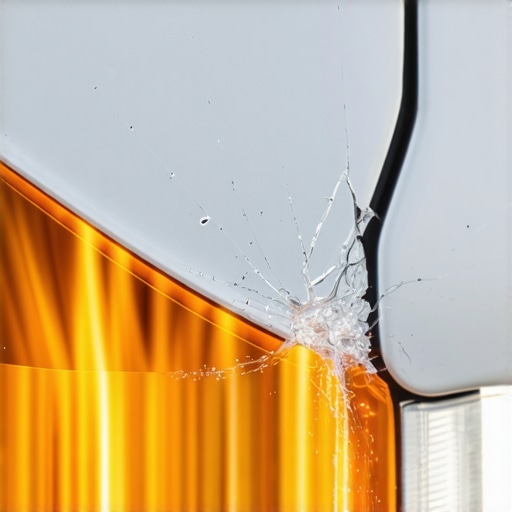
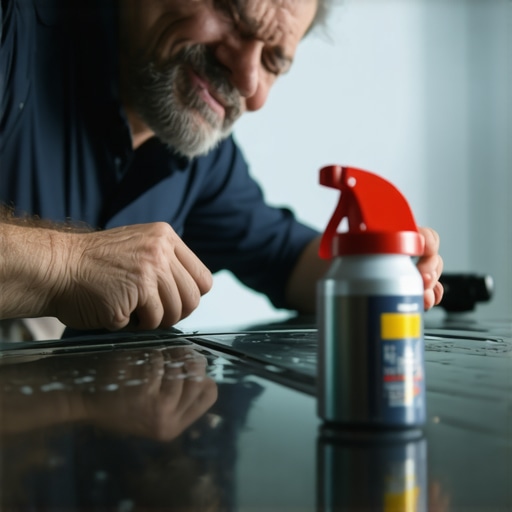
In my twenty-five years as a master glazier, I have seen every possible attempt at a shortcut. I have seen people try to seal a cracked sash with clear nail polish and others attempt to bridge a structural gap in a rough opening with nothing but silicone and hope. But nothing quite matches the frustration of the DIY glass repair kit. These kits, marketed as a same-day solution for the common stone chip or bullseye crack, often promise results that violate the basic physics of fenestration. When you deal with glass, you are dealing with a material that is both incredibly strong and remarkably temperamental. A single chip is not just a cosmetic blemish; it is a point of extreme stress concentration that threatens the structural integrity of the entire pane. A professional glass installer understands that the goal isn’t just to hide the crack but to restore the structural stability of the glass while maintaining its optical clarity.
“Installation is just as critical as the window performance itself. A high-performance window installed poorly will fail.” AAMA Installation Masters Guide
A homeowner called me in a panic last February because their living room window was ‘sweating’ profusely around a small area where they had applied a DIY chip repair kit. I walked in with my hygrometer and showed them the humidity was 60% inside, but more importantly, the repair had failed to seal the glass properly. It wasn’t the windows failing; it was the fact that the DIY resin had shrunk, creating a micro-gap that allowed moisture to reach the colder air within the crack, leading to localized condensation that eventually rotted the wooden glazing bead. This is a classic example of why the ‘caulk-and-walk’ mentality of amateur repairs leads to long-term property damage. A professional mobile service doesn’t just squirt glue into a hole; we evaluate the dew point, the ambient temperature, and the specific type of break to ensure a permanent bond.
The Physics of Glass and Refractive Indices
To understand why a cheap kit fails, we must look at the science of light. Glass typically has a refractive index of approximately 1.52. This means light bends at a specific angle when it passes through the pane. When a chip occurs, air fills the void. Air has a refractive index of 1.00. That massive difference is why you see the dark shadow of the crack. Professional resins used by a certified glass installer are engineered to match that 1.52 index exactly. Cheap kits often use generic acrylic resins with indices that don’t match, leaving a visible ‘ghost’ of the repair that can actually be more distracting than the original chip. Furthermore, professional-grade resins are anaerobic or specifically UV-tuned to cure without shrinking. A DIY kit that shrinks even 1% during the curing process will eventually pull away from the walls of the break, allowing moisture and dirt to re-enter the wound. This is particularly dangerous in cold climates like Chicago or Minneapolis. In these northern regions, the U-Factor of your glass is king. When a repair fails, it creates a thermal bridge. As the temperature drops, the glass contracts. If the resin doesn’t have the same coefficient of thermal expansion as the glass, the bond snaps, and that tiny chip becomes a foot-long crack before you’ve finished your morning coffee.
The Importance of Vacuum and Pressure
The biggest technical failure of the DIY approach is the lack of a true vacuum. When I pull up in my mobile service rig, I am carrying a bridge and injector system capable of pulling a deep vacuum on the break. This removes all air and moisture from the microscopic fissures of the star break. Without this vacuum, you are simply trapping air inside the glass. When the sun hits that window, the trapped air expands. This creates internal pressure that forces the crack to spread. A professional glass installer uses a dual-stage process: first, the vacuum stage to clear the path, and second, a high-pressure injection stage to force the resin into the furthest reaches of the damage. This ensures the structural integrity of the pane is restored. We aren’t just filling a hole; we are welding the glass back together at a molecular level. If you are in a cold climate, the enemy is heat loss and condensation. A failed repair allows the argon or krypton gas fill in a double-pane unit to escape, effectively killing the insulating value of the window. Once that seal is gone, the window is no better than a sheet of ice in the winter.
“Properly maintained glazing systems are essential for the energy efficiency and longevity of the building envelope.” NFRC Performance Standards
The Reality of Tooling and Environment
Effective chip repair requires a controlled environment that a simple plastic pedestal cannot provide. When we perform a same-day repair, we are monitoring the glass temperature with infrared thermometers. If the glass is too cold, the resin becomes too viscous to flow into the micro-cracks. If it is too hot, the resin may cure prematurely before reaching the bottom of the break. Professional mobile service technicians use heat lamps and cooling shields to manipulate the glass into the ideal state for repair. We also use specialized drills to create a clean ‘access point’ if the chip is too tight, ensuring the resin has a clear path. This is a delicate operation that requires the steady hand of someone who has handled thousands of sashes. One wrong move with a drill and the entire pane of tempered or annealed glass is toast. DIYers often forget that glass is under constant tension. Applying too much pressure with a cheap plastic injector can actually pop the crack further, turning a $100 repair into a $1,000 replacement of the entire operable unit.
Water Management and the Sill Pan
While we often focus on the glass, a glazier knows that water management is the true secret to a long-lasting installation. If a chip repair fails and allows water to penetrate through to the interior, it can bypass the weep holes and begin to saturate the rough opening. I have pulled out windows where the homeowner thought a ‘quick fix’ was sufficient, only to find that water had been trickling through the crack, behind the flashing tape, and into the wall cavity for months. The header was black with rot because the moisture could not escape. A professional repair ensures that the shingle principle of water shedding remains intact. We check the sill pan and ensure that no moisture is being diverted where it shouldn’t go. In coastal or storm-prone areas, this is even more critical. Positive and negative wind pressures can exert hundreds of pounds of force on a window. A compromised pane, even one that ‘looks’ fixed by a DIY kit, can fail catastrophically during a high-wind event because the structural bond was never truly restored.
The Bottom Line: Don’t Buy the Hype
The marketing for these kits is designed to appeal to the part of us that wants a cheap, easy fix. But in the world of professional glazing, there are no shortcuts. A same-day mobile service is an investment in the longevity of your home. It’s about maintaining the U-factor, protecting the wood muntins from rot, and ensuring your family is safe behind a structurally sound piece of glass. Don’t let a $15 kit ruin a $1,000 window. When you see a chip, call a professional glass installer who understands the chemistry of resins and the physics of glass. It is the difference between a repair that lasts a lifetime and a temporary patch that leads to a structural nightmare.