The simple test for a vacuum-sealed windshield repair
The Myth of the Quick Fix
I have spent over twenty-five years looking through glass. Not just looking at it, but understanding the molecular tension of tempered sheets and the delicate chemistry of the Polyvinyl Butyral (PVB) interlayer in laminated safety glass. Most drivers treat a stone chip as a cosmetic nuisance. They call a mobile service, wait for a tech to squirt some glue in the hole, and drive off. But as someone who has handled everything from high-rise curtain walls to specialized automotive glazing, I can tell you that a ‘caulk-and-walk’ approach to glass is a recipe for catastrophic structural failure.
A few months ago, a homeowner called me in a panic because their new windshield was ‘sweating’ and whistling at highway speeds. I walked out to the driveway with my hygrometer and a high-intensity inspection lamp. I didn’t need the sensors to see the problem. A previous mobile service technician had performed a chip repair but failed to evacuate the air from the break. The humidity was trapped inside the laminate, and the ‘repair’ was nothing more than a surface plug. I had to explain that it wasn’t a faulty windshield; it was a failure to respect the physics of the vacuum. This is the reality of the industry today: high-pressure sales often bypass high-precision engineering.
“Installation and repair procedures must ensure that the integrity of the laminated glass is restored to meet or exceed the original safety standards. Failure to evacuate air from the break results in a weakened structure susceptible to rapid crack propagation.” – NWRA (National Windshield Repair Association) Standards
The Physics of the Vacuum-Pressure Cycle
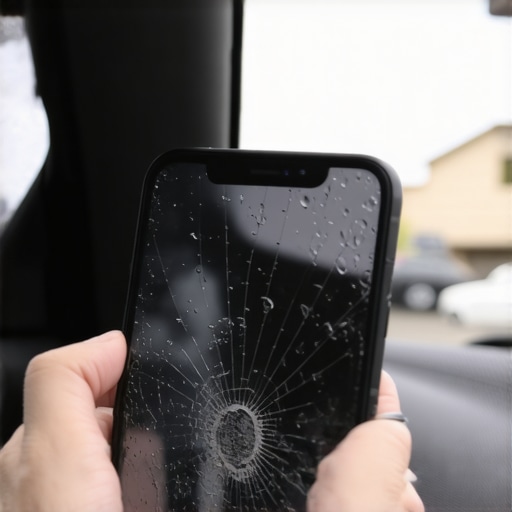
To understand if your glass installer did the job right, you have to understand what is happening inside that tiny impact crater. When a rock hits your windshield, it creates a void between the outer layer of glass and the PVB interlayer. This void is filled with air, moisture, and micro-debris. If you simply apply resin over the top, you are trapping a pocket of air. Because air is compressible and reacts to temperature changes, that air pocket will expand and contract, eventually forcing the resin out or causing the glass to stress-crack. This is why a professional glass installer uses a bridge and injector system to create a vacuum.
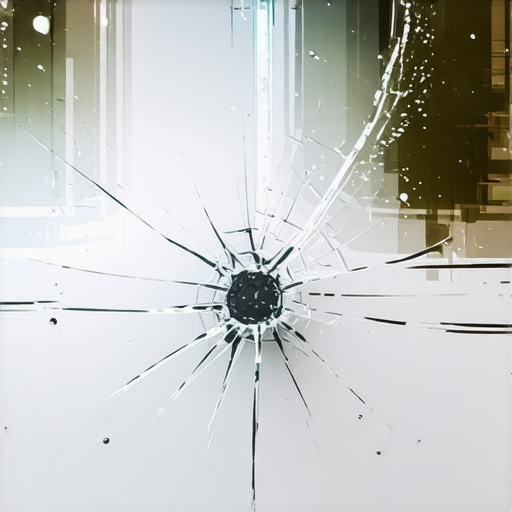
The vacuum phase is not optional. It is the only way to pull the air out of the microscopic fissures of a star break or a bullseye. Only after the air is removed can the pressure phase begin, forcing the high-viscosity resin into the absolute depths of the damage. This resin must have a refractive index nearly identical to the glass itself (approximately 1.52) so that light passes through the repair without bending. If you see a ‘glint’ or a dark shadow after a repair, the vacuum-sealed integrity has failed.
The Simple Test: The 45-Degree Visual Inspection
How do you know if the vacuum was successful? The most effective test is the 45-degree visual inspection. Once the resin is cured under a UV lamp and the pit filler is scraped flush with the glass, you should not look at the repair head-on. Instead, move your head to a 45-degree angle from the glass surface while a light source is held on the opposite side. If the repair was properly vacuum-sealed, the ‘legs’ of the chip should be invisible. If you see silver reflections or what look like tiny hairs, those are air pockets. Those air pockets prove that the vacuum was never achieved. A true vacuum-sealed repair will look like a tiny, clear water spot, nearly indistinguishable from the rest of the pane.
“Proper repair of laminated automotive glass requires the total displacement of air with a liquid resin that is then cured to a solid state. Any residual air significantly compromises the refractive and structural qualities of the repair.” – ANSI/NWRA ROLAGS 001-2014
Climate Logic: Why Thermal Stress is the Enemy
In our climate, we deal with extreme thermal shifts. When the sun hits your windshield in the afternoon, the exterior glass (Surface #1) can reach temperatures exceeding 140 degrees Fahrenheit. If you have a chip that wasn’t properly vacuum-sealed, the trapped air expands. Conversely, in the winter, when you blast your defroster against a frozen windshield, the rapid expansion of the glass around a poorly repaired chip creates a ‘thermal shock’ event. This is why same-day chip repair is critical before the first frost or the first heatwave. If the vacuum seal is perfect, the resin and glass expand as one unit. If there is air, the glass wins, and the chip turns into a full-length crack across your field of vision.
The Importance of Professional Tooling
A true glass installer doesn’t just use a syringe. They use a precision-machined bridge that shims against the glass to maintain a perfectly level seal over the rough opening of the break. They monitor the resin flow through a magnifying lens to ensure the weep holes of the injector are properly positioned. This level of detail is the difference between a repair that lasts the life of the vehicle and one that fails in three weeks. When you opt for a mobile service, demand to see their bridge setup. If they are just ‘dropping’ resin into the hole, thank them for their time and find a specialist who understands the science of glazing. Water management, air displacement, and structural bonding are not suggestions; they are the laws of the trade.