
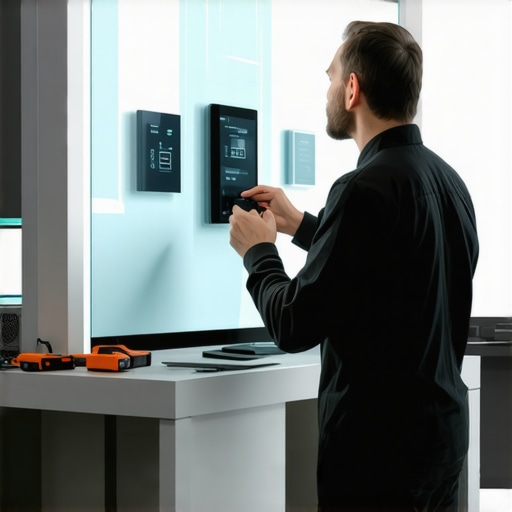
5 Red Flags Your 2026 Glass Installer Missed a Sensor Check
The Evolution of the Rough Opening: Why Tech Integration Changes Everything
In my twenty-five years of working as a master glazier, I have seen the industry shift from simple single-pane wood sashes to complex, multi-layered architectural systems. But the biggest shift has arrived in 2026: the integration of glass with sensory technology. A window is no longer just a barrier against the elements; it is an active participant in a building’s or a vehicle’s electronic nervous system. When you hire a mobile service for a chip repair or a full glass replacement, you aren’t just paying for the glass itself. You are paying for the technical precision required to ensure that the sensors bonded to that glass—whether they are rain sensors, ADAS cameras, or smart-tinting controllers—remain functional. I have walked onto too many jobsites where a ‘fast’ installer treated a high-tech unit like a piece of 1990s plate glass. The result is always the same: systemic failure, water intrusion, and compromised safety.
The Condensation Crisis: A Narrative Warning
I remember a call I received six months ago from a homeowner who had just utilized a same-day glass installer for their modern sunroom. They were in a panic because their new ‘smart’ windows, which were supposed to tint automatically based on solar intensity, were ‘sweating’ internally and the sensors were throwing error codes. I arrived with my hygrometer and a thermal imaging camera. Within ten minutes, I showed them that the humidity wasn’t the primary culprit; it was a botched sill pan installation that had allowed moisture to pool near the sensor leads. The previous installer had relied on a ‘caulk-and-walk’ method, ignoring the flashing tape requirements for integrated electronics. They had blocked the weep hole with excess sealant, trapping water against the sensor housing. It wasn’t a window failure; it was a failure of the installer to respect the physics of water management in a digital age.
“Installation is just as critical as the window performance itself. A high-performance window installed poorly will fail.” AAMA Installation Masters Guide
Red Flag 1: Ignoring the Refractive Index of the Resin
When performing a chip repair, many budget-grade technicians use a generic resin. In 2026, this is a recipe for disaster if the chip is located within the ‘critical zone’ of an optical sensor. Every sensor is calibrated to the specific refractive index of the glass it looks through. If a glass installer uses a resin that doesn’t match the light-bending properties of the original laminate, the sensor will see a ‘ghost’ or a distortion. This can trigger emergency braking systems in vehicles or cause smart-home HVAC systems to misread the Solar Heat Gain Coefficient (SHGC). A true professional will verify the resin’s compatibility with the specific glass substrate before beginning the injection process. If they don’t ask about the sensor suite, they aren’t doing the job right.
Red Flag 2: Misunderstanding the Thermal Logic of Surface #2
In hot climates, we fight the sun. To keep a building cool, we use Low-E coatings on Surface #2 (the inner face of the outer pane). This reflects long-wave infrared radiation back outside before it can cross the air gap. However, these coatings are metallic. If a glass installer replaces a pane but fails to check the sensor’s mounting position relative to this coating, they can inadvertently create a Faraday cage or a heat trap. I have seen sensors overheat and fry because the installer didn’t account for the radiant heat trapped between the glass and the sensor shroud. The logic of SHGC must be balanced with the cooling needs of the electronics. If your installer doesn’t talk about ‘Surface 2 versus Surface 3’ coatings, they are just a laborer, not a glazier.
Red Flag 3: Lack of Mechanical Leveling and Shimming
Sensors require a level of precision that exceeds standard architectural tolerances. A typical rough opening might allow for a quarter-inch of play, but a digital sensor often requires alignment within a fraction of a degree. A major red flag is an installer who doesn’t use high-density plastic shim packs to ensure the sash is perfectly square. Wood shims are for the past; they rot and compress. If the frame settles unevenly, the sensor’s field of vision is tilted. In a mobile service environment, I often see technicians rushing this step. If they aren’t using a laser level to verify the glazing bead alignment after the glass is set, your sensors are likely misaligned from the start.
“Standard practice for the installation of exterior windows must account for the continuity of the water-resistive barrier and the precise positioning of all functional components.” ASTM E2112
Red Flag 4: The ‘Universal’ Sealant Trap
Not all sealants are created equal. In fact, using the wrong silicone near a sensor can lead to ‘outgassing.’ This is when the chemicals in the curing sealant release vapors that coat the sensor lens with a thin, oily film, rendering it useless. A professional glass installer knows that neutral-cure silicones are mandatory for electronic integration. If you see your technician reach for a generic tube of ‘All-Purpose’ caulk from a big-box store, stop them immediately. They are risking a permanent fogging of your sensor optics that no amount of cleaning can fix.
Red Flag 5: Skipping the Dynamic Recalibration
The final and most egregious red flag is the ‘install and go’ mentality. In 2026, the installation is not finished when the glass is in the frame. It is finished when the sensor is recalibrated. Whether it’s a static calibration using targets or a dynamic calibration requiring a test drive or a software handshake with the home automation hub, this step is mandatory. A same-day service that doesn’t include a post-installation diagnostic report is an incomplete service. You wouldn’t accept a heart transplant without the doctor checking your pulse afterward; don’t accept a glass replacement without a sensor verification.
The Glazier’s Final Word on Water Management
Ultimately, a window is a hole in your building’s envelope. We manage that hole through the ‘Shingle Principle’: everything must overlap so that water always flows down and away from the interior. When we add sensors into the mix, we add vulnerability. The sill pan must be perfectly sloped, the flashing tape must be integrated into the weather-resistive barrier, and the muntin bars (if present) must not interfere with the sensor’s signal path. Don’t be swayed by the cheapest quote. Look for the glazier who understands the physics of the dew point and the technical requirements of the digital age. Your comfort, and your safety, depend on the precision of the glass installer you choose.
This post highlights some really critical points about the importance of precision in installing high-tech windows. I particularly resonate with the mention of the ‘water management in a digital age’ — water intrusion is such a silent threat that can undermine sensor integrity over time. I recall a project where improper sealing led to moisture build-up that caused sensors to malfunction, which was only noticed when the system started giving errors months later. It makes me wonder, in your experience, what’s the most overlooked step during installation that can cause long-term issues, especially for tech-integrated windows? Personally, I think many installers underestimate the importance of proper leveling and shimming, assuming standard frame tolerances suffice for sensitive electronics. Would love to hear from others about their best practices or lessons learned on this front. Ensuring these details are accounted for can really make or break the performance of these advanced systems.