Why your windshield wipers are ruining your fresh resin
The Catastrophic Clash of Rubber and Resin
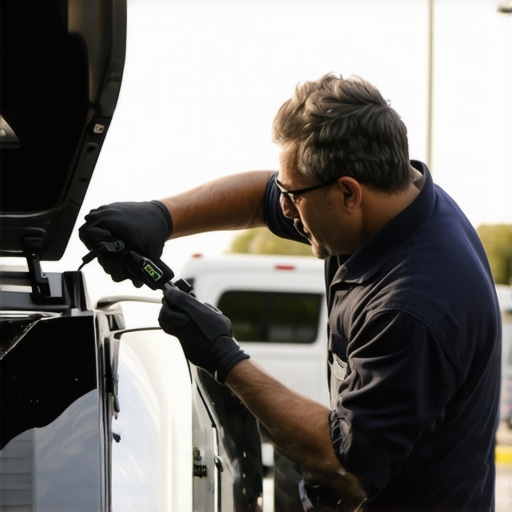
Most vehicle owners treat their windshield as a passive piece of glass. After twenty-five years as a glass installer, I can tell you that a windshield is a high-performance structural laminate that manages heat, wind pressure, and safety. When you experience a rock chip and call for same-day mobile service, you are engaging in a precision chemical bonding process. If you flip your windshield wipers on before that bond is fully cross-linked, you aren’t just cleaning your glass; you are systematically destroying a repair that should have lasted the life of the vehicle. This is the reality of modern glazing: the margin for error is measured in microns.
The Narrative: A Lesson from the Florida Humidity
I recall a call-back I handled in Jacksonville during a particularly brutal August. A homeowner had contacted a mobile service for a chip repair on his luxury SUV. The technician was fast, maybe too fast. The repair looked perfect when he left, but the owner decided to hit his wipers to clear some morning condensation barely an hour later. By the time I arrived, the resin had been pulled from the break, leaving a cloudy, jagged mess that was no longer repairable. I walked out with my digital hygrometer and showed him that the humidity was nearly eighty percent. The moisture in the air, combined with the mechanical pressure of the wiper blade and the surfactants in the wiper fluid, had emulsified the resin before the UV light could finish the cure. It was a classic case of ignoring the environmental context for the sake of speed.
“Installation is just as critical as the window performance itself. A high-performance window installed poorly will fail.” – AAMA Installation Masters Guide
The Science of the Surface: Why Wipers are Saboteurs
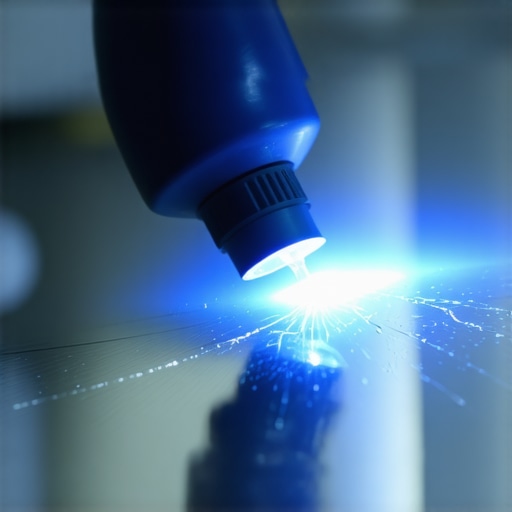
To understand why wipers are the enemy of fresh resin, we have to look at the physics of the repair. When a glass installer injects resin into a break, they are using capillary action to fill the microscopic legs of a star break or the void of a bullseye. This resin is usually an anaerobic or UV-cured acrylate. In a South/Hot climate like Texas or Florida, the Solar Heat Gain (SHGC) on a windshield is massive. The glass surface temperature can easily exceed 140 degrees Fahrenheit. While you might think heat helps curing, excessive heat causes the glass to expand, narrowing the cracks and preventing the resin from seating properly. When you introduce a wiper blade, you are applying a concentrated line of pressure across the ‘Glazing Bead’ of the pit filler. If that pit filler has not reached full hardness, the rubber blade acts like a squeegee, pulling the resin out of the rough opening of the chip. Furthermore, most wiper fluids contain alcohols and detergents. These chemicals are designed to break down oils, but they also break down the surface tension of uncured resin, leading to a permanent ‘foggy’ repair that fails the NFRC standards for visible transmittance.
Mobile Service and the Climate Challenge
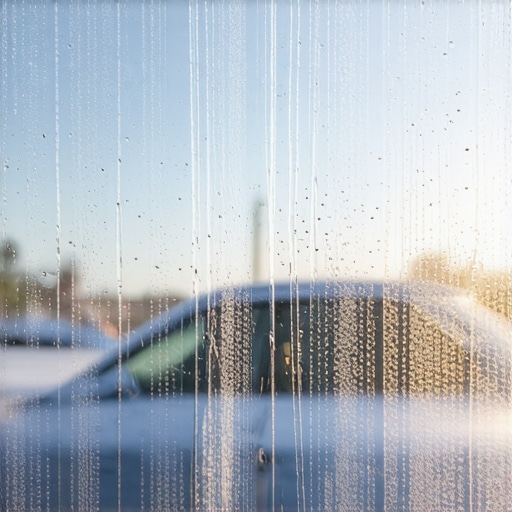
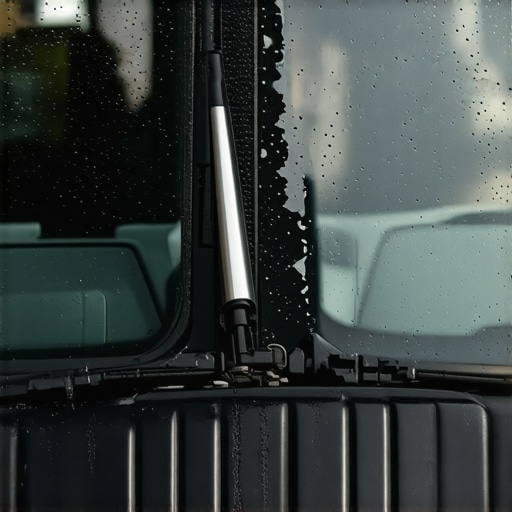
In the world of professional glazing, we often compare automotive glass to architectural installs. While a home window might have an Operable sash or a Muntin for aesthetic appeal, the windshield is a fixed, structural component. In a mobile service environment, the technician has to deal with uncontrolled variables. Unlike a shop where we can control the ‘Dew Point,’ a mobile tech is at the mercy of the driveway. If your installer doesn’t mention the ‘Shingle Principle’ of water management, they are likely just a ‘caulk-and-walk’ artist. In auto glass, this means ensuring that no moisture is trapped in the break. Trapped moisture is the primary cause of resin failure. When your wipers move across a fresh repair, they push a wave of water and dirt into the site. This is why I always tell my clients that if they wouldn’t leave a Rough Opening in their house windows exposed to a storm, they shouldn’t expose their windshield repair to the mechanical force of a wiper blade for at least twenty-four hours.
“Field-applied resins must achieve a minimum 95% light transmission to ensure the driver’s field of vision remains unobstructed.” – ASTM ROLAGS Standard
The Anatomy of a Proper Repair
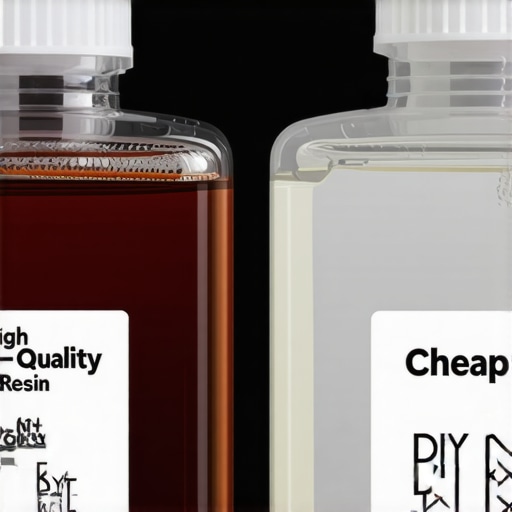
A true professional doesn’t just fill a hole. They manage the thermal dynamics of the glass. In hot climates, we use specialized Low-E resins that are formulated to handle high SHGC without yellowing. We look at the Sill Pan equivalent of the windshield, the cowl, to ensure proper drainage so that no standing water interferes with the mobile service setup. We use a Shim technique on our bridge tools to ensure the injector is perfectly perpendicular to the glass, avoiding any distortion. If your installer doesn’t treat the repair with the same reverence a carpenter treats Flashing Tape or a Sill Pan on a multi-million dollar coastal home, you are getting a subpar product. The wipers are the final test of that repair. If the resin is quality and the cure was handled with professional-grade UV lamps, the wipers should eventually glide over it. But rushing that process is a recipe for a full windshield replacement, which is a much more invasive procedure involving the removal of the Sash equivalent trim and the factory urethane seal.
Final Advice from the Glazing Bench
Don’t let the convenience of same-day service blind you to the science of the cure. When the technician leaves, your job begins. Keep the wipers off. Park in the shade if the SHGC is high, but ensure the repair site gets the indirect UV light it needs to stabilize. Remember that a chip repair is a structural fix, not just a cosmetic one. If you treat it with the same technical respect as a high-performance architectural glazing system, it will serve you for years. If you treat it like a quick fix and hit those wipers the moment you see a smudge, you’ll be calling me back for a full replacement. Science doesn’t care about your schedule, and resin doesn’t care about your need for a clean windshield. Respect the cure time, or pay the price in glass.