Why your phone screen looks different in the sun
The Science of Visual Clarity and Light Transmission
When you step outside on a bright afternoon and realize your phone screen has become a dark, unreadable rectangle, you are witnessing the fundamental physics of light transmission and reflectance. This phenomenon is not merely an inconvenience of modern technology; it is the exact same set of physical principles that a master glass installer must navigate when selecting glazing for a high-end residential or commercial project. The contrast between your phone’s internal illumination and the overwhelming intensity of the sun’s electromagnetic spectrum is the ultimate test of optical performance. To understand why your screen vanishes is to understand why a properly specified window is the difference between a comfortable living space and a thermal oven. As a glazier with over 25 years of experience, I have seen how homeowners struggle with these same issues of glare and heat gain in their own living rooms.
The Condensation and Glare Crisis: A Narrative of Glass Mismanagement
I recall a specific case where a homeowner called me in a panic because their new, expensive windows were ‘sweating’ and the glare from the midday sun was making their living room unusable. I walked into the house with my digital hygrometer and a light meter in hand. I showed them that the internal humidity was hovering at 60 percent, but the real issue was the glass selection. The previous installer had sold them a glass package with high Visible Transmittance (VT) but a completely inappropriate Solar Heat Gain Coefficient (SHGC) for their south-facing exposure. It was not a failure of the windows themselves, but a failure to understand how the orientation of the house interacted with the sun. The client’s struggle to see their television was identical to the struggle of viewing a phone screen in the park. They were fighting a losing battle against short-wave solar radiation. This is why a mobile service assessment is critical before any major installation, it allows us to see the light as it actually hits your specific rough opening.
“Installation is just as critical as the window performance itself. A high-performance window installed poorly will fail.” AAMA Installation Masters Guide
Decoding the NFRC Label: More Than Just Numbers
To solve the problem of why glass looks different under varying light conditions, we must look at the National Fenestration Rating Council (NFRC) label. This is the pedigree of your glass. In hot climates, the most critical number is the SHGC. This metric measures how much of the sun’s heat is transmitted through the glass. When you are standing outside with your phone, the ambient light is so high that your screen’s backlight cannot compete. In architectural glazing, we use metallic oxide coatings, known as Low-E, to manage this. For a south-facing window in a warm climate, we typically place the Low-E coating on Surface #2, which is the inward-facing side of the exterior pane. This reflects the heat back outside before it can even cross the thermal break in the frame. If you choose the wrong surface for the coating, you might as well have no coating at all. This is the difference between a high-performance system and a standard piece of soda-lime glass.
Visible Transmittance and the Myth of Darkness
Many people believe that to stop the heat, you must have dark, tinted glass. This is the ‘sunglasses’ approach, but it is outdated. Modern spectrally selective coatings allow us to maintain a high VT while keeping the SHGC remarkably low. This means you get the natural light you crave without the radiant heat that ruins your comfort. When a glass installer mentions ‘Visible Transmittance,’ they are referring to the percentage of the visible spectrum that passes through the glazing. A high VT means your room feels bright and airy, while a low VT can make it feel like a cave. The trick is balancing that VT with the infrared rejection needed to keep cooling costs down. This balance is exactly what phone manufacturers are trying to achieve with high-brightness OLED displays that can punch through the sun’s natural glare.
The Critical Role of the Mobile Service and Same-Day Chip Repair
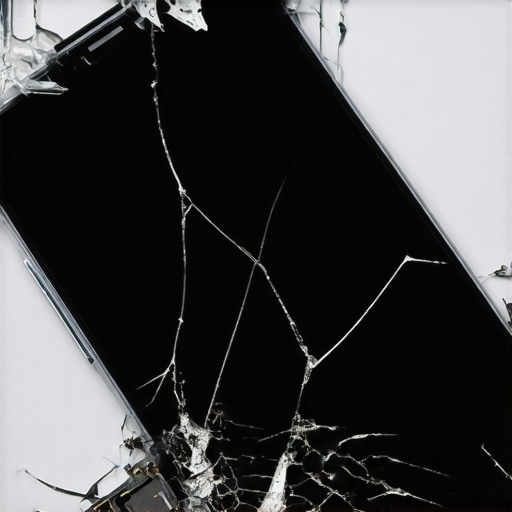
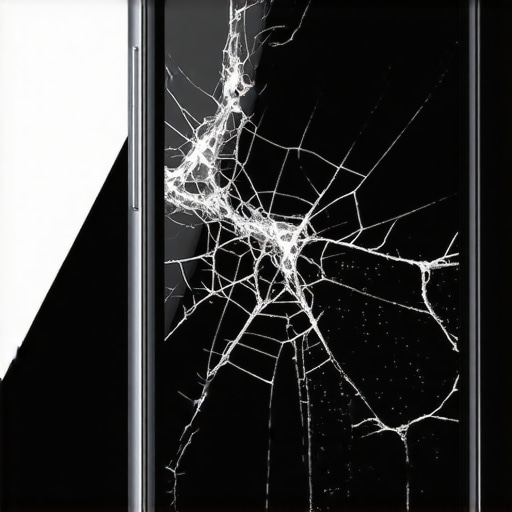
In the world of mobile service, particularly for automotive or high-impact glass, we deal with a different beast: structural integrity. A chip in your glass is not just an aesthetic flaw; it is a breach in the tension of the material. When you seek a same-day chip repair, the technician is using a specialized polymer resin with a refractive index that matches the glass. This is why the repair ‘disappears.’ If the refractive index were even slightly off, you would see a shimmering scar where the chip used to be, much like how a screen protector with a fingerprint smudge distorts your phone’s display. The resin must be injected under a vacuum to ensure no air bubbles are trapped, as air has a different refractive index than glass or polymer. This same-day attention prevents the star-fracture from expanding due to thermal cycling, where the glass expands and contracts as it moves in and out of the sun’s direct path.
“The performance of a fenestration product is dependent on the solar optical properties of the glazing materials, which can vary significantly by wavelength.” NFRC Technical Manual
The Anatomy of a Rough Opening and the Importance of the Shim
Whether we are talking about a mobile service for a vehicle or a full-frame replacement in a home, the rough opening must be respected. In residential construction, the rough opening is the framed hole in the wall. A master glazier uses a shim to perfectly level the unit within this opening. If the unit is not plumb, level, and square, the operable parts of the window, such as the sash, will not seal correctly. This leads to air infiltration, which is the silent killer of energy efficiency. We use high-quality flashing tape and a dedicated sill pan to ensure that any water that manages to get behind the primary seal is directed back out through a weep hole. This is the ‘Shingle Principle’ of water management: always overlap materials so that gravity works for you, not against you.
Surface Physics: Why Your Screen Glames
Your phone screen looks different because of the way light bounces off the top layer of glass. Manufacturers use anti-reflective coatings to minimize this, but the intensity of the sun is a formidable opponent. In buildings, we have the same issue with reflection. If a glass installer uses a glass with high exterior reflectance, it can actually cause heat problems for the neighbors or melt vinyl siding on adjacent houses. This is why we study the angle of incidence. The way light hits the glazing bead and the muntin can change the entire aesthetic of the facade. A muntin, which is the grid that divides panes of glass, can cast shadows that change based on the sun’s position, adding depth and character to a home’s exterior. These are the details that a ‘caulk-and-walk’ installer will never mention, but they are the details that define the longevity and beauty of your installation.
Final Considerations for the Modern Homeowner
When you are looking for a glass installer, do not just look for the lowest price. Look for someone who understands the dew point and the thermal stress that different types of glass undergo. A same-day repair might save your windshield, but a properly specified residential window will save your HVAC system. The next time you struggle to read your phone in the sun, remember that the same light is hitting your home’s windows. Is that light working for you, or against you? By focusing on the physics of SHGC, VT, and proper installation techniques like using a sill pan and quality flashing tape, you can ensure that your home remains a sanctuary of comfort. Don’t buy the marketing hype; buy the engineering that makes sense for your specific climate and orientation. Glass is not just a transparent barrier; it is a complex, engineered system designed to manage the most powerful energy source in our solar system.