The reason your phone screen is coming unglued
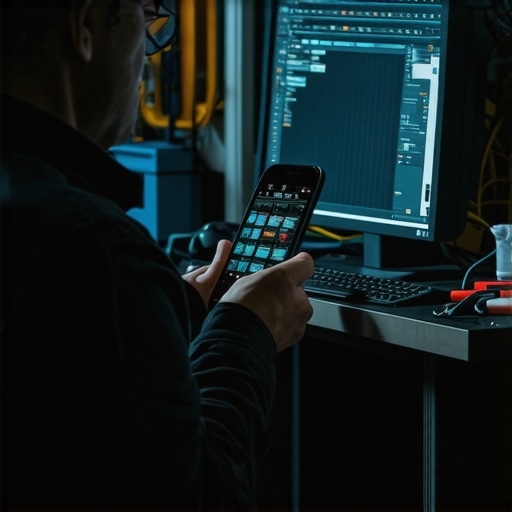
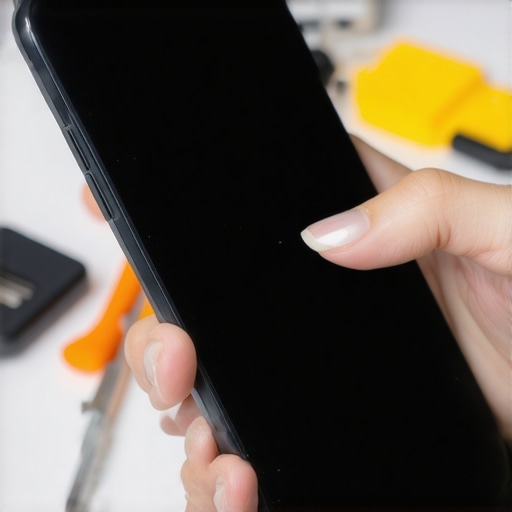
As a master glazier with a quarter-century in the trade, I look at your mobile device and I do not see a mere gadget; I see a complex structural glazing project that has failed because of basic thermodynamics and poor material selection. When people talk about a phone screen lifting or peeling, they are witnessing the exact same physical failures we see in high-rise curtain walls when a sub-par glass installer ignores the coefficient of thermal expansion. I once saw a flagship device where the screen was popping out like a warped wood sash in a damp basement. I pulled the screen assembly out of the frame and the internal chassis was coated in a sticky residue that looked more like cheap weatherstripping than structural adhesive. Why? The previous technician, likely a same-day mobile service provider with zero understanding of substrate prep, had relied on generic double-sided tape instead of a proper cold-press adhesive. They failed to realize that the rough opening of the phone frame was slightly out of square from a previous drop, creating constant tension on the bond. This is the hallmark of a ‘caulk-and-walk’ mentality, and in the world of professional glazing, it is an unforgivable sin. [IMAGE_PLACEHOLDER] When we analyze the reason your screen is separating, we have to look at the climate logic of the device itself. In high-heat environments like Texas or Florida, the enemy is Solar Heat Gain and the resulting thermal movement. Aluminum, which most modern phone frames are made of, has a linear coefficient of thermal expansion nearly three times that of the aluminosilicate glass used for the screen. When the device heats up under a heavy processing load or sits in the sun, the frame expands at a much faster rate than the glass sash. If the glazing bead of adhesive is not engineered to handle this shear stress, the bond fails.
“The selection of a sealant must consider the movement capability of the joint and the adhesion characteristics of the substrates. A high-performance window installed poorly will fail.” – AAMA Installation Masters Guide
This principle applies whether you are installing a twelve-foot storefront window or a six-inch OLED display. The adhesive must act as a bridge that absorbs the differential movement. In our industry, we focus heavily on the NFRC ratings, specifically the U-Factor and the Solar Heat Gain Coefficient (SHGC). While you might not think your phone has an SHGC, the way the glass is coated affects how much infrared radiation is absorbed by the internal components. High-end devices often use specialized coatings on Surface #2 of the glass to reflect heat, but these coatings can lower the surface energy of the glass, making it incredibly difficult for a standard chip repair adhesive to bite. If your mobile service tech does not use a primer or an adhesion promoter, the bond is doomed from the start. You might get a same-day fix, but you will be back in a month when the screen starts to lift again. We must also consider the role of moisture and the lack of a sill pan or weep hole in a mobile device. In a traditional window, we expect water to penetrate the glazing bead eventually, so we design the system to drain it back to the exterior. A phone, however, is a sealed unit. If the adhesive is compromised, humidity enters the rough opening and begins to oxidize the internal shims and muntins of the electronics. This leads to the ‘sweating’ effect inside the camera lens, which is the mobile equivalent of a failed seal in a dual-pane insulated glass unit.
“Installation is just as critical as the window performance itself.” – NFRC Performance Standards
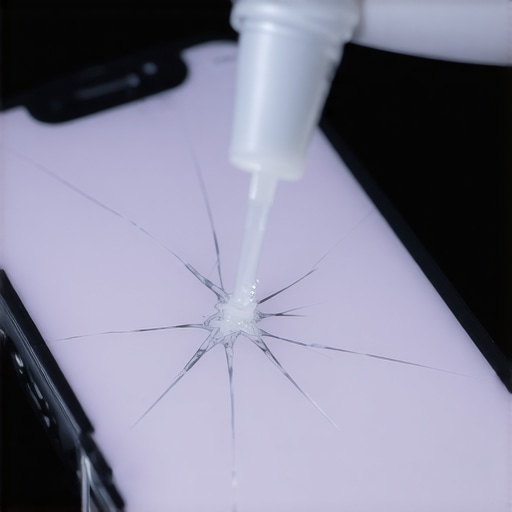
When you are looking for a glass installer to handle a chip repair or a full screen replacement, you have to look beyond the price tag. A true professional understands that the glass is an operable component that needs to flex. They will ensure the substrate is chemically clean, the rough opening is checked for tolerances, and the glazing bead is applied with the precision of a surgeon. Do not be swayed by the lure of the fastest same-day service if it means skipping the critical cure time for the structural bond. The physics of glass do not change just because the object fits in your pocket.