How to fix a blurry front camera on your smartphone
In twenty-five years of handling glass assemblies, I have learned one immutable truth: whether it is a forty-story curtain wall or the tiny circular lens on your smartphone, glass is a demanding mistress. Most people see a blurry front camera and assume a software glitch or a cheap sensor. As a master glazier, I see a failure in the micro-fenestration system. A smartphone camera lens is essentially a high-performance window that must manage light, exclude moisture, and maintain structural integrity under extreme thermal stress. When your selfies look like they were taken through a London fog, you are not looking at a digital error; you are looking at a physical glazing failure.
The Condensation Crisis: A Master Glazier Narrative
I recall a specific incident where a client brought me a flagship device with a front camera so opaque it looked like frosted privacy glass. They were convinced the hardware was defective. I pulled out my hygrometer and a thermal imaging camera. I did not even have to open the casing to know what happened. I explained to them that their lifestyle was the culprit. They enjoyed forty-minute steam showers with the phone sitting on the vanity. The vapor pressure had pushed moisture past the aging adhesive gaskets. It was not the glass that was broken; it was the seal. I showed them how the internal humidity had reached sixty percent, creating a persistent dew point situation inside the lens housing. It is the same principle I see in residential double-pane windows when the desiccant is saturated. The windows are not ‘sweating’ because they are cold; they are sweating because the environment is wrong and the seal has reached its service life limit.
“Installation is just as critical as the window performance itself. A high-performance window installed poorly will fail.” AAMA Installation Masters Guide
The Anatomy of the Micro-Aperture
To understand the fix, you must understand the assembly. A smartphone camera is a multi-layered glazing system. You have the outer cover glass, which is usually a chemically strengthened aluminosilicate. Beneath that, you have an air gap or a clear optical adhesive, followed by the actual lens elements. When you seek a glass installer for a chip repair on this scale, you are looking for someone who understands surface physics. The ‘blur’ is usually caused by one of three issues: surface abrasion, internal moisture, or oleophobic depletion.
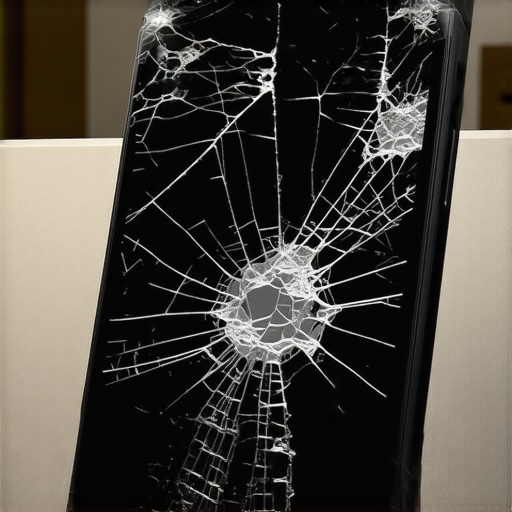
Surface abrasion is the most common. We talk about ‘Surface #1’ in the window industry as the face that meets the elements. On your phone, Surface #1 is subjected to pocket sand, keys, and acidic skin oils. These micro-scratches act like tiny prisms, scattering light before it can reach the sensor. This is a classic case where a mobile service specialist can use a cerium oxide polishing compound to restore the refractive index, provided the scratches have not breached the structural integrity of the glass. If the chip is too deep, you are looking at a full replacement of the rough opening, which in this case is the entire display assembly or the modular camera unit.
The Physics of Light Transmission and SHGC
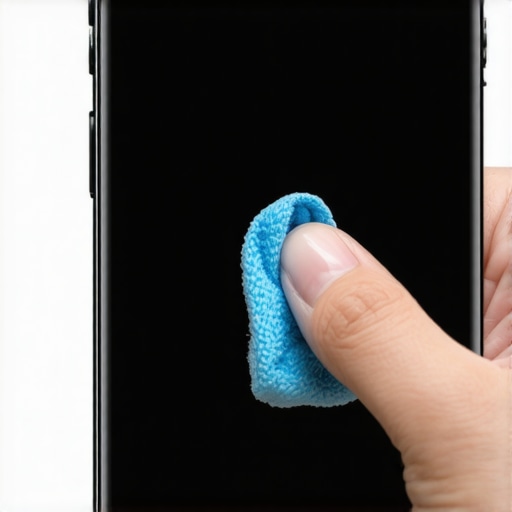
In my world, we measure how much heat and light pass through a window using the Solar Heat Gain Coefficient (SHGC) and Visible Transmittance (VT). For a camera lens, we want a VT of nearly 1.0. Any deviation results in blur. Most front cameras have an oleophobic coating, a specialized glaze designed to repel oils. When this coating wears off unevenly, it leaves ‘islands’ of high-friction glass that trap skin oils. This creates a smear that no microfiber cloth can fully remove. You are essentially dealing with a window that has a failed Low-E coating. The solution here is a re-application of a liquid glass protector, which fills the microscopic valleys of the glass and restores the smooth Surface #1 profile.
“Optical clarity is the primary function of any transparent aperture; any degradation in the glass substrate directly correlates to a loss in system performance.” ASTM E2112 Standard Practice
The Mobile Service Solution: Why Same-Day Repair Matters
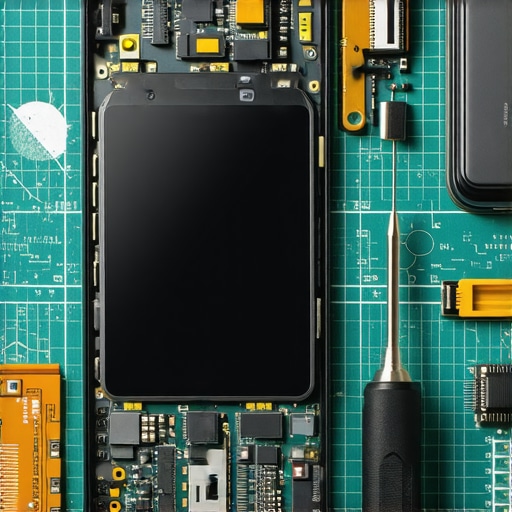
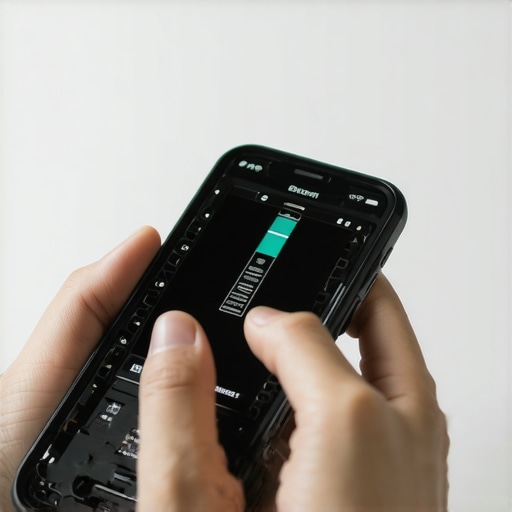
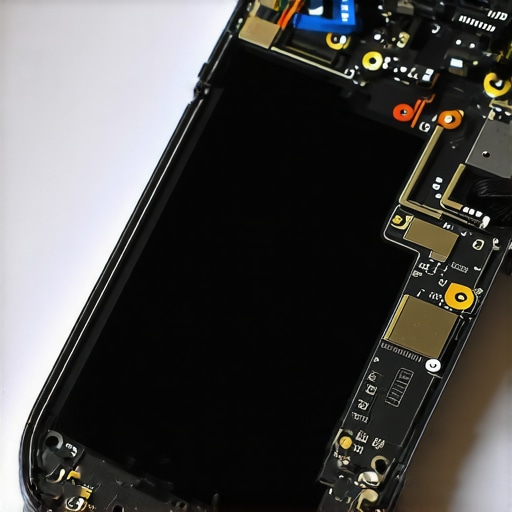
If you are dealing with internal condensation, time is the enemy. Water sitting on a CMOS sensor will cause corrosion that no amount of rice or silica gel can fix. This is why a same-day mobile service is vital. A professional glass installer can perform a precision teardown, clean the internal face of the lens (Surface #2), and more importantly, replace the perimeter gaskets. We use specialized flashing tape, or in the case of smartphones, die-cut adhesive seals, to ensure the rough opening is once again airtight. We do not just ‘caulk-and-walk’ by smearing glue around the edges. We ensure the weep holes, if the design allows, are clear and the pressure balance is maintained.
The Replacement Reality Check
If the blur is due to a physical chip, do not attempt a DIY fix with windshield resin. The refractive index of car glass resin is vastly different from smartphone glass. You will end up with a permanent distortion. A true chip repair on a lens requires a full glass replacement. I always tell my clients that the glass is just the messenger. If the frame is bent (the ‘Rough Opening’ is out of square), the new glass will eventually crack or the seal will fail again. Precision shimming is not possible in a phone, so the frame must be perfectly flat. This is where the expertise of a professional glazier translates to micro-electronics. We understand tolerances. We understand that a fraction of a millimeter is the difference between a waterproof seal and a foggy lens. Don’t buy into the hype of ‘magic’ cleaning apps; buy into the physics of clean, well-sealed glass. If your camera is blurry, stop looking at the screen and start looking at the glass. It is a hole in your device that needs expert management for light and moisture. Manage the glass, and the image will follow.