Why your glass tech won’t fix your windshield in the rain
The Moisture Barrier: Why Your Glass Installer Says No to the Rain
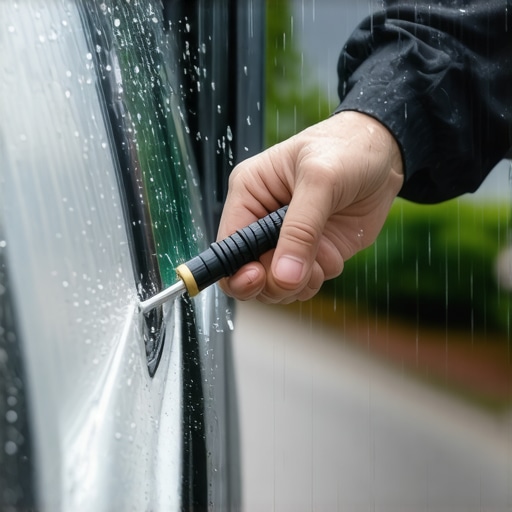
I remember a specific afternoon in a humid suburb where a homeowner called me in a panic because their new windows were sweating. I walked in with my hygrometer and showed them the humidity was 60 percent. It was not the glass that was failing; it was their lifestyle and the moisture-laden environment they had created. That same fundamental misunderstanding of physics is exactly why a reputable mobile service glass installer will pack up their tools the moment a raindrop hits the pavement. When you are looking for a same-day chip repair or a full glass replacement, you are not just buying a piece of silica; you are buying a chemical bond. In the world of high-performance glazing, water is the ultimate contaminant. Whether I am shimming a massive storefront plate or a technician is prepping a windshield, the rules of surface energy and molecular adhesion are non-negotiable.
“Installation is just as critical as the window performance itself. A high-performance window installed poorly will fail.” AAMA Installation Masters Guide
The Physics of the Chip Repair: Why Moisture is the Enemy
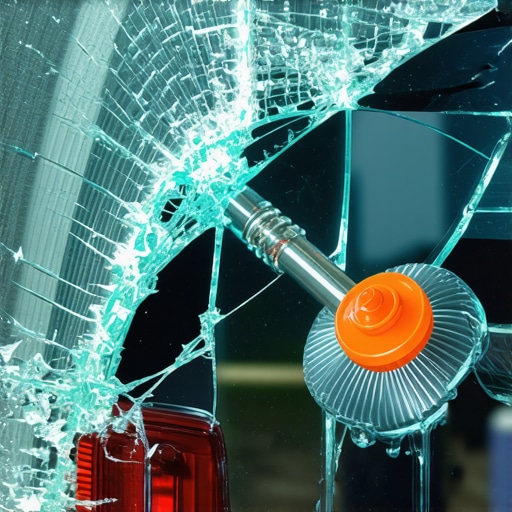
When you have a small stone chip, you have a breach in the outer layer of the laminated glass. This is where the glazing zooming begins. A professional glass installer uses a specialized UV-curable resin designed to displace the air within that crack. However, water has a surface tension of approximately 72 dynes per centimeter. If there is even a microscopic amount of moisture inside that chip, the resin, which is hydrophobic, cannot displace the water. Instead of a structural bond, you get a pocket of trapped moisture. When the sun comes out and temperatures rise, that trapped water expands. The resulting pressure converts a simple chip repair into a full-blown crack that spans the entire width of the glass. This is why mobile service technicians require a dry environment; they are not being difficult, they are preventing a catastrophic failure of the repair medium.
The Chemistry of the Bond: Urethane and the Frit
For a full glass replacement, the stakes are even higher. Your windshield is a structural component of the vehicle, contributing up to 60 percent of the roof’s strength in a rollover. The glass is bonded to the pinch weld using a high-viscosity polyurethane. Most modern glass installers use a moisture-cure urethane, which might lead you to think rain is helpful. This is a dangerous misconception. While these adhesives use atmospheric moisture to polymerize, liquid water on the substrate creates a barrier. It prevents the primer from etching into the frit, which is that black ceramic band around the edge of the glass. If the primer cannot bond to the frit, and the urethane cannot bond to the primer, you have a ‘floating’ piece of glass. In the industry, we call this a ‘leak-and-seek’ situation, where the installer spent more time chasing drips than ensuring a proper seal.
The Shingle Principle in Glass Installation
In architectural glazing, we live by the Shingle Principle: every layer must shed water to the layer below it and eventually to the exterior. When we install a window, we use a sill pan and flashing tape to ensure that if water does get past the primary seal, it has a clear path to the weep holes. In mobile service glass repair, the ‘shingle’ is the bond line itself. If rain is falling during the installation, water can be trapped behind the urethane bead. This creates a hidden reservoir. Over time, this trapped moisture leads to rust on the pinch weld. I have seen rough opening frames in homes and pinch welds in vehicles completely rotted out because an installer thought they could beat the clouds. They relied on the ‘caulk-and-walk’ method, using excessive sealant to hide a lack of proper flashing or bonding technique.
“Surface preparation is the single most important factor in the long-term performance of any sealant or adhesive system.” ASTM E2112 Standard Practice
Climate Logic: Humidity and Temperature Gradients
If you are in a cold, northern climate, the dew point becomes your primary antagonist. When warm, moist air hits a cold glass surface, it reaches its saturation point and condenses. If a glass installer attempts a chip repair in these conditions without properly pre-heating the glass and ensuring a dry environment, the resin will fail to cure. The U-Factor of the glass might be excellent, but if the installation environment is compromised, the thermal performance is irrelevant. In the south, where the solar heat gain coefficient (SHGC) is the priority, the radiant heat can make the glass so hot that the resin cures too quickly, before it has fully penetrated the legs of the crack. A mobile service professional must manage these variables with the precision of a laboratory scientist.
Why Same-Day Service Must Meet Safety Standards
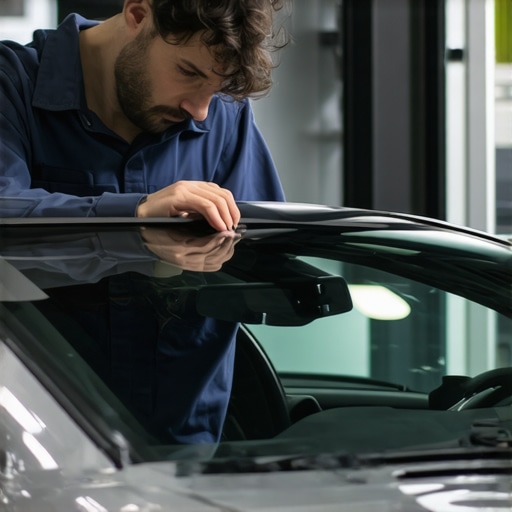
The demand for same-day mobile service has led to a rise in ‘Tin Man’ installers who prioritize speed over science. They use fast-cure urethanes that claim a one-hour drive-away time, but these products still require specific temperature and moisture ranges to function. A real pro knows that if the relative humidity is too high or the rain is falling, the risk of ‘delamination’ or ‘adhesive failure’ is too great. They understand that a sash must be seated perfectly and that a windshield must be indexed to the millimeter. There is no room for shims or shortcuts when you are dealing with the structural integrity of a glass-to-metal bond.
The Conclusion of a Master Glazier
Ultimately, the reason your glass tech won’t fix your windshield in the rain is because they respect the materials. They know that a chip repair is a delicate surgery and a glass replacement is a structural installation. They refuse to be ‘caulk-and-walk’ amateurs. When you wait for a dry day, you are ensuring that the resin flows, the urethane bonds, and the glass performs its job of keeping you safe and dry for years to come. Don’t buy the hype of the high-pressure salesman; buy the expertise of the man who knows his dew point from his rough opening.