Why your car’s rain sensor fails after a cheap glass swap
The Optical Precision of Modern Glazing: Why Your Rain Sensor Fails
Most drivers view their windshield as a simple barrier against wind and bugs. As a master glazier with over two decades of experience handling everything from high-pressure curtain walls to specialized automotive laminates, I can tell you that a modern windshield is a complex optical lens. When you opt for a budget glass installer, you are not just getting cheaper materials: you are often compromising the sophisticated Advanced Driver Assistance Systems (ADAS) that your vehicle relies on for safety. The most common casualty is the rain sensor. If your wipers are suddenly stuttering or failing to trigger during a downpour after a mobile service, the culprit is usually found in the physics of the installation itself.
The Condensation Crisis: A Narrative of Poor Bonding
A homeowner recently called me in a panic because their vehicle’s new windshield was sweating around the rearview mirror housing. I walked out to the driveway with my hygrometer and a high-intensity inspection light. The issue was not the ambient humidity of the morning; it was a microscopic air pocket trapped between the glass surface and the rain sensor’s gel pad. The previous installer had rushed a same-day chip repair and glass swap, failing to properly clean the frit (the black ceramic paint) and the sensor bracket. That tiny pocket of trapped air reached its dew point as the temperature dropped, causing internal fogging that blinded the sensor. It was not the electronics that had failed: it was the glazier’s failure to understand thermal dynamics and the shingle principle of water management within the cowl area.
“Installation is just as critical as the window performance itself. A high-performance window installed poorly will fail.” – AAMA Installation Masters Guide
Blueprint of a Failure: The Installation Autopsy
To understand why cheap glass ruins sensors, we must perform an autopsy on the installation process. The rain sensor functions via total internal reflection. It emits infrared light into the glass at a specific angle. If the glass is dry, the light reflects back to the sensor. If water droplets are on the exterior, they change the refractive index and scatter the light. A cheap glass installer often uses aftermarket glass that lacks the precise curvature of the original equipment manufacturer (OEM) specifications. Even a deviation of a few microns in the glass thickness or a slight wave in the laminate can distort the infrared beam path.
When we look at the rough opening of the vehicle’s frame, the glass must sit perfectly level. If an installer uses a sub-par urethane that sags or fails to provide the correct height, the sensor bracket, which is often pre-attached to the glass, may be under tension. This tension causes the gel pad to pull away over time. Unlike a residential sash where we can use a shim to adjust the fit, automotive glazing relies entirely on the consistency of the urethane bead and the quality of the glazing bead or molding. A mobile service that promises a one-hour drive-away time in a hot climate like Texas or Arizona is often ignoring the chemical cure cycle of the adhesive. High heat accelerates the skin-over time of the sealant, leading to a brittle bond that cannot absorb the vibrations of the road, eventually rattling the sensor loose.
The Physics of the Refractive Index
The glass itself is a variable. Standard soda-lime glass used in cheap replacements often contains higher concentrations of iron or impurities that affect light transmission. In the glazing trade, we measure this via Visible Transmittance (VT) and Solar Heat Gain Coefficient (SHGC). While we typically discuss these in the context of residential comfort, they are vital for ADAS. If the Low-E coating or the tint level on the glass surface is not calibrated to the sensor’s infrared frequency, the sensor becomes effectively nearsighted. It cannot distinguish between a light drizzle and a smudge on the glass.
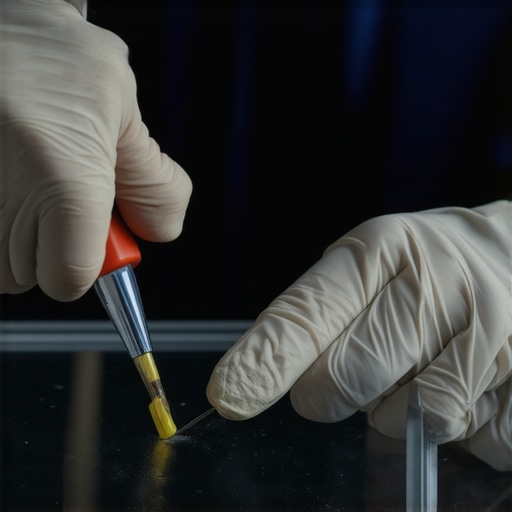
Furthermore, the gel pad acts as the bridge between the sensor and the pane. In a proper shop environment, this pad is applied in a dust-free zone. During a rushed mobile service, dust or skin oils can contaminate the surface. This creates a refractive mismatch. I have seen countless cases where a chip repair was attempted on a sensor-heavy windshield, only for the resin to leak into the sensor’s field of vision. The resin has a different refractive index than the glass, creating a permanent blind spot that no amount of software recalibration can fix.
“Glass is more than a structural component; it is an optical medium. Any deviation in the chemical or physical makeup of the pane can result in the failure of integrated safety systems.” – ASTM E2112 Standard Practice Adaptation
Climate Context: Why Heat and Humidity Matter
In the southern regions where solar heat gain is the primary enemy, the temperature on the glass surface can exceed 180 degrees Fahrenheit. If the installer used a cheap, non-thermally stable adhesive for the sensor bracket, the heat will cause the plastic to expand at a different rate than the glass. This is why we emphasize the importance of using components that match the thermal expansion coefficients of the glass. A budget installer will often reuse an old gel pad or use a generic double-sided tape. Under the intense sun, these adhesives soften, the sensor sag, and the precision alignment is lost. You want a solution where the Low-E coating is on Surface #2 to reflect heat outside, protecting the sensitive electronics housed behind the glass.
The Same-Day Trap and Technical Tolerance
The allure of same-day service is strong, but it is often the enemy of quality. A proper glass swap requires the removal of the cowl, wipers, and sometimes the A-pillar trim to ensure the weep holes are clear and the water management system is functioning. A tech who is paid by the job rather than the hour will often ‘caulk-and-walk,’ leaving behind a mess of urethane that blocks the very drainage paths designed to keep the sensor dry. If the weep holes are clogged, water backs up into the cabin, often manifesting as a mysterious leak near the floorboards, but the damage starts at the top of the glass where the sensor is located.
The technical tolerance for a rain sensor is zero. It is either functioning at 100 percent or it is a safety hazard. When the wipers fail to activate during a sudden splash from a passing truck, that split second of blindness is the result of a cost-cutting measure. We must treat the windshield with the same respect as a structural glazing project in a skyscraper. The glass must be cleaned with specialized primers to ensure a molecular bond. The sensor must be seated with a fresh, high-grade optical gel. And most importantly, the vehicle must be allowed to sit long enough for the urethane to build its initial structural strength.
[image_placeholder_1]
Conclusion: Choosing Quality Over Convenience
Don’t buy the marketing hype of the ‘lowest price guaranteed’ shops. Buy the numbers. Look for installers who discuss the NFRC ratings of their glass and who understand the mechanical requirements of ADAS. Your rain sensor is a sophisticated piece of glazing technology, and it requires a master’s touch to remain operable. When you choose a glass installer, ask about their recalibration process and the brand of urethane they use. If they cannot explain the difference between a primerless bond and a full-prep system, they should not be touching your vehicle. Water management and optical clarity are sciences, not guesswork. Ensuring your car’s safety systems work correctly is worth the extra time and the higher price point of a professional installation.