Why we use a specific heat profile to open your phone
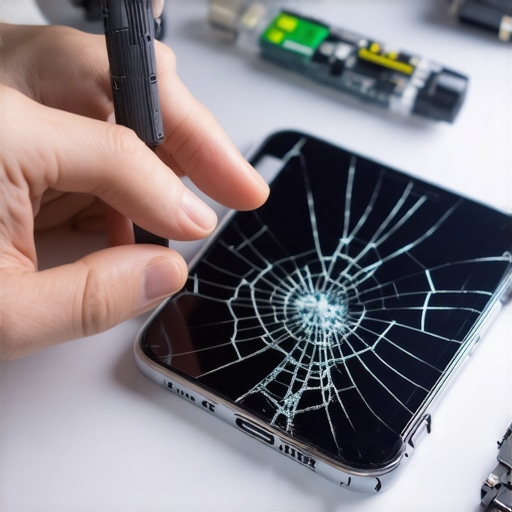
Most homeowners and device users see glass as a static, inert barrier. As a master glazier with twenty-five years in the field, I see it as a high-stakes dance of thermal stress and molecular tension. Whether I am hanging a twenty-story curtain wall or a technician is performing a mobile service for a chip repair, the physics remains the same. The reason we use a specific heat profile to open a phone or repair a glass fracture is rooted in the fundamental transition temperatures of the material. Glass is an amorphous solid, a material that does not have a sharp melting point but instead softens over a range of temperatures. If you ignore the delta-T (the difference in temperature between two surfaces), you are not a technician; you are a liability.
The Condensation Crisis: A Narrative of Thermal Stress
A homeowner called me in a panic because their new windows were ‘sweating.’ I walked in with my hygrometer and showed them the humidity was 60%. It wasn’t the windows; it was their lifestyle combined with a lack of understanding of the dew point. I explained that when the interior temperature of the sash hits a specific threshold relative to the outdoor cold, the air can no longer hold moisture. We see this same principle in same-day glass repair. If a glass installer applies resin to a cold windshield or a cold device screen, the glazing bead or adhesive bond will fail because the thermal profile was never stabilized. You cannot simply ‘caulk-and-walk’ a thermal problem.
“Installation is just as critical as the window performance itself. A high-performance window installed poorly will fail.” – AAMA Installation Masters Guide
The Glass Class: Decoding Heat Profiles and U-Factors
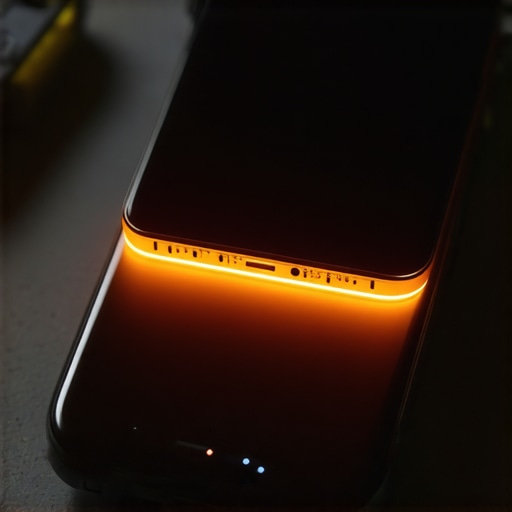
In the North, where I spent a decade chasing drafts in Minneapolis, the U-Factor is our king. The U-Factor measures the rate of heat loss. When we talk about a ‘heat profile’ in the context of opening a modern glass-bonded device or repairing a chip, we are essentially managing the U-Factor of the localized area. We use a specific ramp-up of heat to reach the ‘Glass Transition Temperature’ (Tg). This is the point where the adhesives—often a complex polymer—become pliable enough to release their grip without causing the glass to reach its tensile breaking point. If you heat the glass too quickly, the outer molecules expand while the inner core remains rigid. This creates a stress fracture that no amount of chip repair resin can fix.
We must also consider the Solar Heat Gain Coefficient (SHGC). In a mobile service environment, if the sun is beating down on a glass surface while we apply a localized heat profile, we risk ‘thermal shock.’ This is why a professional glass installer will often shade the work area. We are looking for a uniform heat soak. In the world of high-efficiency windows, we use Low-E coatings on Surface #3 to reflect heat back into the room during a harsh winter. In precision glass repair, we are doing the inverse: managing the surface temperature to ensure the bond is broken or repaired without compromising the structural integrity of the rough opening.
The Science of the Bond: From Sill Pans to Adhesives
Every operable window relies on a system of water management and thermal breaks. A sill pan and flashing tape ensure that water doesn’t rot the header. In the same vein, the adhesives used in modern glass assemblies are designed to be weather-tight and thermally stable. When we use a specific heat profile, we are targeting the specific chemical bonds of the urethane or acrylic. A professional heat profile involves three stages: the Ramp, the Soak, and the Cool-down. Skipping the soak—the period where the temperature is held steady to allow the heat to penetrate the entire thickness of the glass—is how ‘caulk-and-walk’ installers break more than they fix.
“Standard practice for installation requires that the thermal environment be controlled to prevent premature failure of the glazing system.” – ASTM E2112
When you hire a mobile service for a same-day repair, you are paying for their mastery of this profile. They aren’t just using a heat gun; they are managing the molecular vibration of the silicon dioxide. The weep hole in a window frame allows for pressure equalization, and in a similar way, a controlled heat profile allows for the expansion of the glass without the buildup of destructive internal pressure. This is why a glass installer who understands the ‘Muntin’ and the shim will always outperform a technician who only knows how to use a screwdriver. Precision is the only defense against the inevitable expansion and contraction of the materials we use to shield our lives from the elements.