What happens if you use your device while the adhesive is still setting
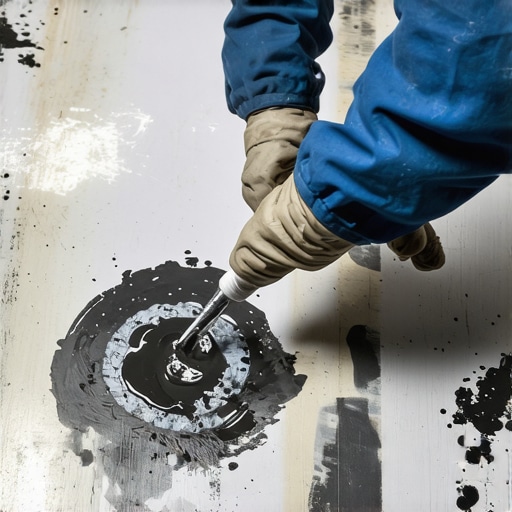
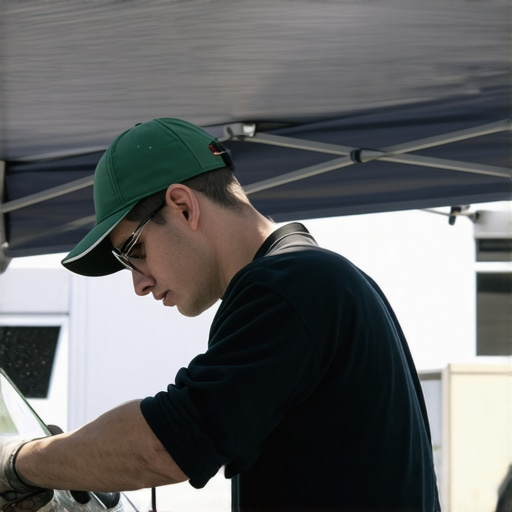
In my twenty-five years as a Master Glazier, I have seen every conceivable failure of glass systems, but the most frustrating ones are entirely preventable. There is a fundamental misunderstanding among many homeowners and vehicle owners regarding the chemical reality of glass bonding. When a glass installer arrives for a same-day mobile service, they are not just performing a mechanical task; they are initiating a complex chemical reaction. If you disrupt that reaction by using your device—whether that is the vehicle itself or the structural glass assembly—before the adhesive has reached its full shear strength, you are inviting structural failure and water infiltration. Most people think of adhesive like school glue that dries, but professional-grade urethanes and silicones used in glass installation are moisture-cure polymers that undergo a process called cross-linking. This process is sensitive to vibration, torque, and pressure changes. If you engage the system too early, you break the forming molecular chains, leading to a permanent weakness that no amount of additional caulk can fix.
The Condensation Crisis: A Narrative Warning
I recall a specific call in the middle of a humid July. A homeowner had hired a budget mobile service for a chip repair that turned into a full-pane replacement. They were in a hurry to get to an appointment and insisted on using the unit immediately after the technician left. Three days later, they called me in a panic because the new glass was ‘sweating’ and the interior trim was beginning to warp. I walked in with my hygrometer and a thermal imaging camera. It wasn’t a faulty glass unit; the humidity was 65% inside the house, but more importantly, the seal had failed because they had operated the sash while the adhesive was in its ‘tack-free’ stage but not its ‘full-cure’ stage. I showed them where the adhesive had pulled away from the rough opening. By opening the window too soon, they had introduced a microscopic gap that allowed warm, moist air to hit the cool surface of the frame. It wasn’t the windows that were the problem; it was the physics of the installation being interrupted. They had sacrificed a thirty-year seal for a five-minute convenience.
“Installation is just as critical as the window performance itself. A high-performance window installed poorly will fail.” – AAMA Installation Masters Guide
The Anatomy of an Installation Failure
To understand why you cannot use your device during the curing phase, we must look at the ‘Rough Opening’ and the ‘Sill Pan’ logic. When a glass installer sets a new piece of glass, they are creating a weather-tight envelope. In Blueprint B, the ‘Installation Autopsy,’ we examine why leaks happen. The primary culprit is often the interruption of the ‘Shingle Principle.’ In glazing, we assume water will get past the first layer of defense, so we design systems where every layer overlaps the one below it. When adhesive is setting, it is in a plastic state. If the vehicle is driven or the window is operated, the ‘Rough Opening’ flexes. This flexing causes the glass to act as a lever, compressing the adhesive on one side and stretching it on the other. This creates ‘voids’ in the bead. These voids become pathways for water. Once water enters the space behind the glazing bead, it sits against the frame. Without a proper sill pan or weep hole system that is clear of obstructions, that water will eventually rot the header or the subfloor.
The Physics of the Cure: U-Factor and Thermal Stress
In colder climates, the enemy is heat loss and condensation. The U-Factor is the king of metrics here, measuring the rate of heat transfer. When you have a mobile service performed in the North, the cold air significantly slows down the molecular movement required for the adhesive to cure. If you use your device—meaning you apply pressure to the glass or heat the interior—you create a thermal gradient. The inside of the adhesive bead stays warm while the outside freezes. This results in ‘skinning,’ where the exterior looks dry, but the core is still liquid. If you hit a pothole or slam a door, the pressure wave (known as the ‘piston effect’) can literally blow a hole through the uncured seal. This is why we insist on a Safe Drive Away Time (SDAT). It is not a suggestion; it is a calculation based on the NFRC standards for structural integrity. If you are in a southern climate, the Solar Heat Gain Coefficient (SHGC) becomes the primary concern. High radiant heat can cause the glass to expand faster than the adhesive can accommodate, leading to ‘shear stress’ failures.
“The air barrier and water-resistive barrier must be continuous and integrated with the window installation to ensure long-term performance.” – ASTM E2112 Standard Practice
Frame Material Science and Why It Matters
Different materials react differently during the setting phase. Vinyl frames have a high coefficient of thermal expansion; they move a lot with temperature changes. Fiberglass is much more stable, nearly matching the expansion rate of the glass itself. If you are dealing with a chip repair via a mobile service, the resin used is typically a UV-cure acrylic. While this sets faster than urethane, it still requires a period of stabilization. If you use your device and the glass flexes, the resin can pull away from the ‘muntin’ or the edge of the chip, causing the repair to fail and the crack to spread. Professional glass installers use shims to ensure the glass is centered in the rough opening, but these shims only work if the adhesive is allowed to harden around them, creating a permanent seat. If you move the glass too soon, the shims can slip, and the glass will eventually make contact with the frame, leading to a stress crack months later.
The Math of the Energy Savings Myth
Many salesmen will tell you that new windows or a glass repair will pay for itself in energy savings within a few years. As a specialist, I call foul on that. The real ROI is found in comfort and the preservation of the building envelope. A single leak caused by premature use of a window can cause thousands of dollars in mold remediation, far outweighing any savings on your heating bill. When we talk about the ‘Glass Class’ of technical performance, we look at the ‘Visible Transmittance’ and how it interacts with the Low-E coatings. These coatings are microscopically thin layers of metal oxide. If the seal is compromised because the adhesive didn’t set, moisture enters the Argon or Krypton gas space, oxidizing the Low-E coating and turning your expensive high-tech glass into a cloudy, useless mess. This is why the installer’s discipline is more important than the brand of the glass.
Final Verdict: Respect the Chemistry
The next time you have a glass installer perform a same-day mobile service, remember that they are leaving behind a living chemical process. Whether it is a chip repair or a full installation, the ‘Rough Opening’ must remain static. Do not wash the glass, do not slam doors, and do not use the device until the specified cure time has passed. Water management is a science, not an art. If you treat it with the respect the physics demands, your glass will last for decades. If you treat it like a ‘caulk-and-walk’ job, you will be calling me back to perform an autopsy on your failed installation. Stick to the numbers, respect the SDAT, and let the adhesive do its job. Your structural integrity depends on those molecular chains being allowed to link in peace.