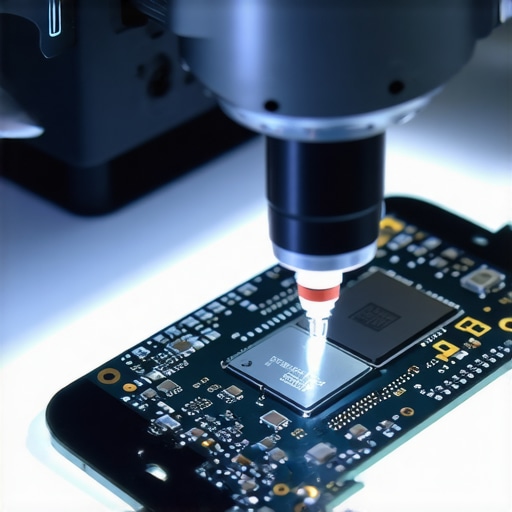
The ten minute test for a perfect chip repair
The Precision of a Master Glazier
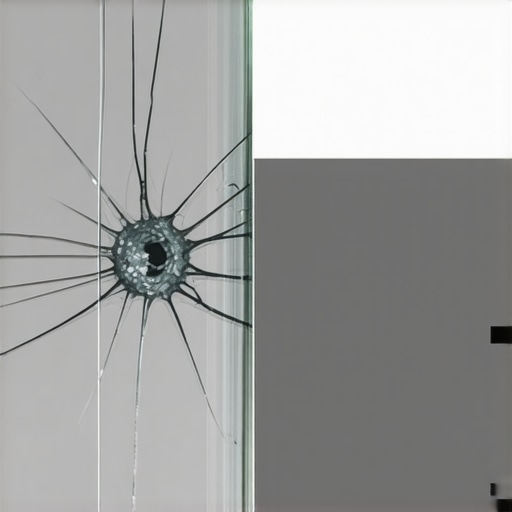
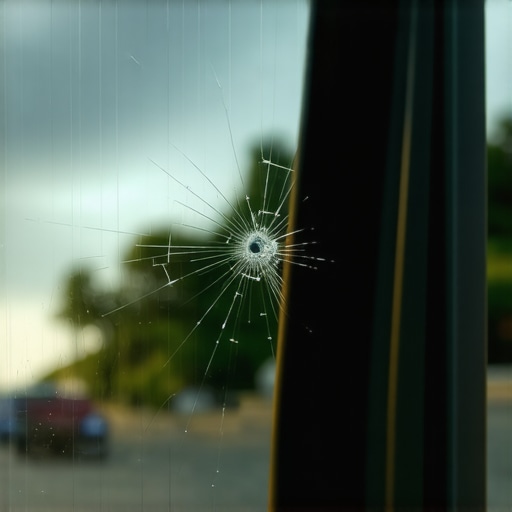
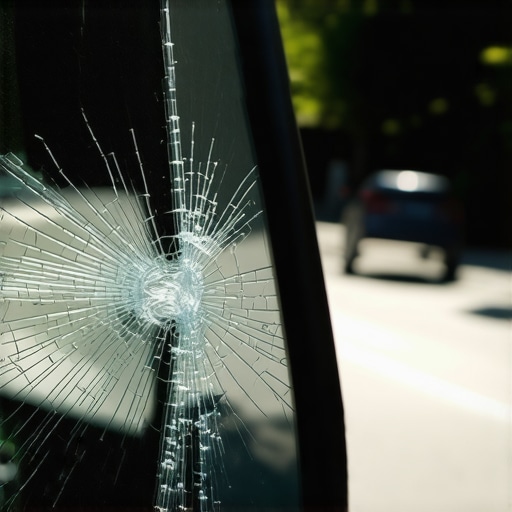
After twenty-five years in the glass industry, I have seen every possible failure of glass integrity, from high-rise curtain walls to residential double-hung sashes. Most people think a chip in a glass pane is just a cosmetic annoyance, but to a professional glass installer, that chip is a structural breach. It is a point of concentrated stress where the physics of thermal expansion and structural load converge. If you are hiring a mobile service for a same-day repair, you need to know that a quick fix is not always a permanent one. The difference between a repair that lasts the life of the glass and one that fails during the first freeze of January is exactly ten minutes of disciplined technical execution. I have no patience for the caulk and walk technicians who prioritize speed over the molecular bond of the resin. A true glass installer understands that we are managing a complex material that reacts to every degree of temperature change.
“Installation is just as critical as the window performance itself. A high-performance window installed poorly will fail.” – AAMA Installation Masters Guide
The Narrative of Neglect: Why Quality Matters
I recall a specific instance where I was called to a commercial storefront in Chicago. The building manager had used a budget mobile service to fix a small bullseye chip in a large plate of laminated glass. The technician had rushed the job on a day where the temperature was hovering near the dew point. He did not bother to stabilize the temperature of the glass or properly evacuate the moisture from the break. Three weeks later, I was standing there looking at a crack that spanned four feet across the pane. The header was under significant load, and because the initial repair failed to create a structural bond, the thermal stress of the building’s heating system fighting the lakefront wind caused a total failure. I had to pull the entire sash, re-examine the rough opening, and replace the unit. That fifty dollar savings on the initial chip repair ended up costing the manager three thousand dollars in emergency glass replacement and labor. It was a classic example of why the ten minute test is non-negotiable.
The Physics of the Chip: More Than Meets the Eye
To understand a perfect repair, you must understand the material. Glass is a supercooled liquid that behaves like a solid, and it is incredibly sensitive to tension. When a stone hits a window, it creates a fracture zone. In a cold climate like the North, we deal with the brutal reality of the U-factor. The U-factor measures the rate of heat loss, and a chip is a literal hole in your thermal defense. When the interior of a building is seventy degrees and the exterior is sub-zero, the glass is under immense internal pressure. If that chip is not filled with a resin that matches the refractive index and the expansion coefficient of the glass, the two materials will pull apart. We use anaerobic resins that cure under specific UV wavelengths, but they must be injected into a vacuum. If a glass installer is not using a vacuum pump to pull the air out of the break before injecting the resin, they are just masking the problem, not fixing it.
The Ten Minute Test: Step-by-Step Technical Execution
The ten minute test is the benchmark for any mobile service professional. It starts with the preparation of the rough opening of the break itself. First, we use a carbide scribe to remove any loose microscopic shards from the impact point. This is the same precision you would use when setting a shim under a heavy sill pan. Next, the vacuum bridge is centered over the chip. For five minutes, we pull a vacuum to ensure no air or moisture is trapped. In a cold climate, any remaining moisture will expand when it freezes, blowing the repair apart from the inside. Once the vacuum is held, the resin is injected. We then spend the remaining five minutes cycling the pressure. This is the crucial part that most same-day services skip. By cycling the pressure, we force the resin into the microscopic radial cracks that are invisible to the naked eye. Finally, we apply a curing film and a high-intensity UV light. If the resin is not cured at the correct wavelength, it will yellow and shrink over time, leaving the glass vulnerable once again.
“The integrity of the fenestration system depends entirely on the continuity of the seals and the structural stability of the glass components.” – NFRC Performance Standards
Climate Context: The Northern Struggle
In regions like Minneapolis or Chicago, heat loss and condensation are the primary enemies. This is why the U-factor is king. A chip in the glass disrupts the Low-E coating, which is usually located on Surface number two or three of a double-pane unit. If a chip is deep enough to reach the interlayer of laminated glass, it can allow moisture to penetrate the PVB layer. This leads to delamination, where the glass begins to look cloudy or milky. A master glazier knows that in these climates, the repair must be perfectly flush with the glazing bead to ensure that the weep holes in the frame can still function correctly. If water backs up because of a botched glass repair that interferes with the sash drainage, you will end up with rot in the rough opening and mold behind the flashing tape. We do not just look at the glass; we look at the entire window as a water management system.
Trade Mechanics: Beyond the Glass
When I am performing a same-day mobile service, I am also checking the health of the operable parts of the window. Is the sash aligned? Are the munitns secure? Is there a need for a new shim to level the sill pan? A chip often occurs because the glass is under improper stress from a shifting frame. If the rough opening has settled, it puts pressure on the glass that makes chips more likely to spread into cracks. A real glass installer will check the perimeter flashing and the condition of the glazing bead while the resin is curing. We look for signs that the window is failing as a system. If I see that the flashing tape is peeling or that the drip cap is missing, I tell the homeowner immediately. You cannot have a perfect glass repair if the house is rotting around the window.
The Math of Glass Repair: ROI and Reality
Do not believe the sales pitch that a chip repair will save you forty percent on your energy bill. The ROI on a chip repair is not about energy savings; it is about asset preservation. It is about avoiding the high cost of a full-frame replacement. A single-pane of high-performance glass in a modern sash is expensive. By spending the time to perform the ten minute test and ensuring a structural bond, you are extending the life of the window by decades. This is why the quality of the resin matters. Cheap resins have a different refractive index than the glass, meaning you will still see the glint of the chip in the sunlight. A professional repair should be ninety-five percent invisible. If you can see the repair from three feet away, the technician did not pull a sufficient vacuum or used a low-grade material that is not compatible with the glass chemistry.
Final Verdict: The Installer Matters
In the end, the person holding the injector is more important than the brand of the resin. You want a glass installer who talks about the Mohs scale of hardness and the vapor pressure of the atmosphere. You want someone who understands that a window is a hole in your home protection that must be engineered, not just plugged. When you call for a mobile service, ask them about their vacuum process. Ask them how they handle the dew point on a humid afternoon. If they do not have clear, technical answers, they are not a master glazier. They are just a person with a tube of glue. Protect your home and your glass by demanding the precision that twenty-five years of experience dictates. A perfect chip repair is a work of science, and anything less is just a temporary patch on an inevitable failure. “