The science of waterproof phone cases
The Glazier’s Perspective on the Hermetic Seal
I once had a client walk into my shop with a high-end smartphone that looked pristine on the outside but was foggy on the inside. He was confused because the manufacturer claimed the device was waterproof up to six meters. I pulled out my hygrometer and a high-magnification loupe, the same tools I use to diagnose seal failure in an Insulated Glass Unit (IGU). I showed him a microscopic chip at the edge of the glass where it met the frame. That tiny structural compromise had allowed a pressure differential to suck in humid Florida air. It was a classic condensation crisis. The phone wasn’t leaking through the glass; it was failing at the glazing bead. As a master glazier with twenty-five years of managing water infiltration in skyscrapers, I can tell you that a waterproof phone case is just a miniature version of a high-performance curtain wall. It relies on the same physics of surface tension, atmospheric pressure, and material compatibility.
The Physics of the Barrier: Why Waterproofing is a Misnomer
In the glass industry, we rarely use the term waterproof because we know that under enough pressure, water wins. We talk about water management. Whether it is a storefront in a hurricane zone or a mobile device dropped in a puddle, the enemy is the same: hydrostatic pressure. When we look at the science of waterproof phone cases, we are looking at the integrity of the bond between the glass and the perimeter gasket. The glass installer knows that if the rough opening—in this case, the phone’s chassis—is even a fraction of a millimeter out of square, the seal will eventually fail. Mobile service technicians who perform chip repair understand that even a hairline fracture disrupts the surface tension that keeps water from migrating into the delicate electronics. This is the same reason why we use stainless steel hardware and specialized flashing in coastal installations; we are fighting the corrosive and invasive nature of liquid molecules under load.
“Installation is just as critical as the window performance itself. A high-performance window installed poorly will fail.” AAMA Installation Masters Guide
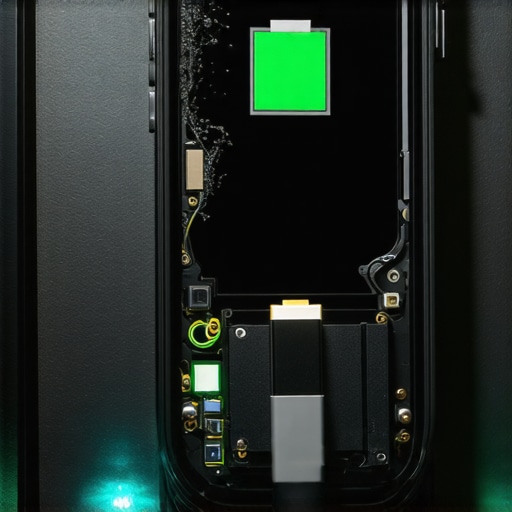
The logic applies directly to your mobile device. You can have the highest-rated chemically strengthened glass, but if the adhesive bond at the perimeter is not applied in a clean-room environment or is compromised by a drop, the IP68 rating becomes a decorative sticker. The science of waterproof phone cases is essentially the science of structural silicone glazing scaled down to the micron level. We look at the Solar Heat Gain Coefficient in windows to manage energy, but in a phone, we are managing the Dew Point. When you move from a cold air-conditioned room to a humid exterior, the air inside your phone can reach its saturation point. If the seal is compromised, that moisture is trapped, leading to the internal fogging that ruins logic boards.
Surface Tension and the Capillary Effect
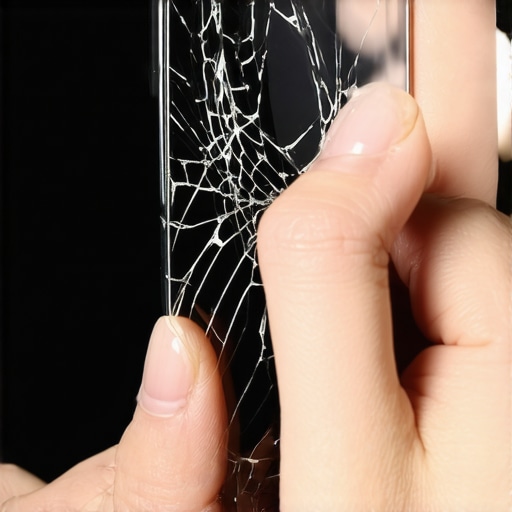
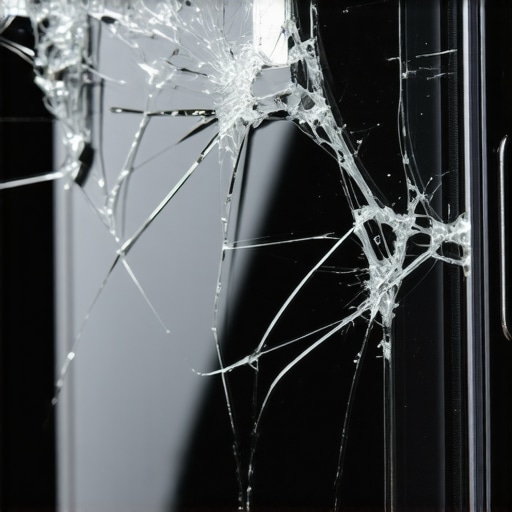
Why does water bead up on a new phone screen but seep into a cracked one? This is due to hydrophobic coatings and the capillary effect. A chip in the glass acts as a straw. Through capillary action, water is actually pulled into the crack, regardless of gravity. This is why same-day repair is not just about aesthetics; it is about maintaining the hermetic seal of the device. When I perform a chip repair on a windshield or a structural pane, I am using a resin with a specific refractive index to restore the optical clarity, but more importantly, I am stopping the moisture path. In the world of mobile service, a glass installer must be aware that the gaskets—the glazing beads of the phone—are often made of EPDM or specialized polymers that can degrade over time when exposed to skin oils and UV radiation. Once these materials lose their elasticity, they no longer provide the compression needed to resist water ingress.
The Impact of Pressure and Thermal Expansion
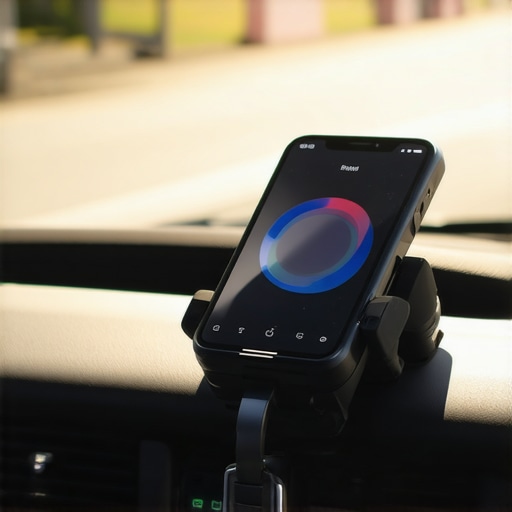
One of the most overlooked aspects of the science of waterproof phone cases is the thermal expansion coefficient. Different materials expand and contract at different rates. The glass screen, the aluminum or plastic frame, and the rubber gaskets all react differently to heat. In a southern climate, where a phone might sit on a dashboard in 120-degree heat and then be plunged into a cold pool, the thermal shock is immense. This is where the engineering of the seal is tested. As a glazier, I deal with this by using shims and expansion joints in large window runs. In a phone, the adhesive must be flexible enough to allow for this movement without shearing. If the adhesive is too rigid, the glass will crack. If it is too soft, the seal will fail under pressure.
“Air leakage is the primary driver of moisture problems in the building envelope. Controlling the movement of air is the first step in controlling the movement of water.” NFRC Performance Standards
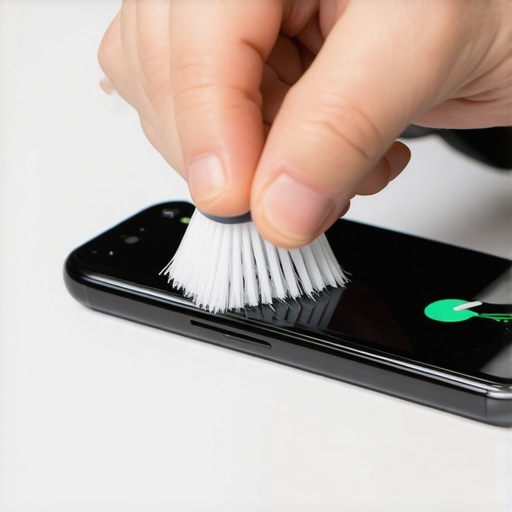
When you are looking for a mobile service to handle your glass repair, you are essentially looking for someone who understands the envelope of the device. A quality glass installer does not just replace the pane; they ensure the weep holes—or in the case of a phone, the acoustic membranes over the speakers—are clear and functioning. These membranes are designed to let air and sound through while blocking water molecules based on surface tension. If you clog these with dust or incorrect cleaning agents, you disrupt the pressure balance of the device, which can lead to seal failure elsewhere. This is the same reason we don’t caulk the weep holes on a vinyl window; the system needs to breathe to stay dry.
The Reality of Daily Wear and Tear
The science of waterproof phone cases is a battle against entropy. Every time you drop your phone, even if the glass does not shatter, you are stressing the internal gaskets. The sash of the phone—the frame that holds the glass—can slightly deform, creating a gap that is invisible to the eye but wide enough for a water molecule to pass through. This is why the mobile service industry has shifted toward same-day service for chip repair. The longer a structural compromise exists, the more likely environmental contaminants will degrade the internal components. As a professional who has seen the devastating effects of water on structural headers and sills, I cannot stress enough the importance of maintaining the integrity of the primary barrier. Don’t rely on a case to do the job that the glass and its primary seal were designed to do. Ensure your glass is intact, and if it isn’t, seek a professional glass installer who understands the technical requirements of high-pressure seals.
Conclusion: Trust the Science of the Seal
Whether it is a triple-pane window in a high-rise or the screen on your smartphone, the principles of glazing remain constant. You need a stable rough opening, a high-quality glazing bead, and a glass surface free of structural defects. The next time you see water beading on your phone, remember the engineering that went into that moment. It is a delicate balance of chemistry and physics, a balance that can be tipped by a single chip or a worn-out gasket. If you value your tech, treat the glass with the same respect a glazier treats a structural installation. Keep it clean, keep it intact, and understand that in the world of water management, the seal is everything.