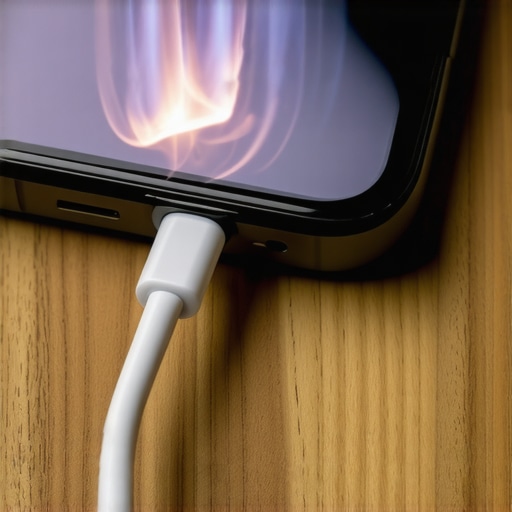
The risk of using cheap charging cables on a new battery
The risk of using cheap charging cables on a new battery provides a perfect diagnostic metaphor for the modern glazing industry. Just as a high-performance lithium-ion cell requires a regulated flow of current to prevent catastrophic thermal runaway, a high-performance building envelope requires a precise management of thermal transfer and moisture migration. When homeowners opt for a cut-rate glass installer or a budget chip repair service, they are essentially plugging a thousand-dollar asset into a two-dollar circuit. As a master glazier with over 25 years in the field, I have seen the fallout of this ‘budget-first’ mentality more times than I can count. I once pulled a vinyl window out of a house in Chicago and the header was completely black with rot. Why? The previous installer relied on the nailing fin instead of proper flashing tape, failing to understand that the nailing fin is a shipping and positioning aid, not a comprehensive water management system. They saved a few dollars on materials but the systemic failure cost the homeowner thousands in structural remediation. In the North, where we battle extreme temperature differentials, the window is the most vulnerable point in the rough opening. We are not just talking about glass; we are talking about the science of the dew point and the management of vapor pressure. If you are in a cold climate like Minneapolis or Chicago, heat loss is the primary antagonist. This is where the U-Factor becomes the most critical metric on the NFRC label. A low U-Factor indicates better insulating properties, and achieving this requires more than just thick glass. It requires warm-edge spacers that break the thermal bridge at the edge of the unit, where condensation typically begins to form. If your mobile service technician uses a low-quality sealant or an improper glazing bead, that thermal bridge will remain intact, leading to the same-day satisfaction that turns into a multi-year mold problem.
“Installation is just as critical as the window performance itself. A high-performance window installed poorly will fail.” AAMA Installation Masters Guide
When we discuss chip repair and the mobile service model, we must zoom into the material science of the resins involved. A professional glass installer understands that glass is an amorphous solid that expands and contracts at a specific coefficient. If a same-day repair service uses a resin with a different expansion rate than the parent glass, the repair will fail the moment the first frost hits. This is the ‘cheap cable’ equivalent. The resin might look clear initially, but under the microscopic scrutiny of thermal stress, it will pull away from the glass walls, allowing moisture to infiltrate the PVB layer of a laminated unit or simply causing the crack to bloom. In cold climates, we focus on Surface #3 for our Low-E coatings. By placing the silver-oxide layer on the third surface of a double-pane unit, we allow the sun’s short-wave infrared radiation to enter the home while reflecting the long-wave infrared radiation back into the room. This is physics, not salesmanship. If an installer does not understand the orientation of these coatings, they might as well be installing a single pane of clear glass. The integrity of the sash and the precision of the shim placement are also paramount. A sash that is out of square by even an eighth of an inch will create air bypass, rendering the most expensive Argon gas fill useless. Gas fills like Argon are dense, reducing the convective current within the space between the panes, but they require a perfectly sealed Integrated Glass unit. If the sealant is compromised by a ‘caulk-and-walk’ installer who doesn’t use a proper sill pan, that gas will dissipate, leaving you with nothing but a foggy view and a higher heating bill.
“The NFRC rating is a promise of performance that can only be fulfilled by a certified installation process.” NFRC Performance Standards
Furthermore, we must address the ‘shingle principle’ of water management. Water always flows downhill, yet I see countless installations where the flashing tape is lapped incorrectly, creating a ‘fish-mouth’ that actually funnels water into the wall cavity. A proper installation utilizes a sill pan with a back dam, ensuring that any water that manages to get past the primary seals is directed back to the exterior through a weep hole. Without these technical nuances, your window replacement is a ticking time bomb. The math of energy savings is often exaggerated by high-pressure salespeople, but the math of comfort and structural longevity is absolute. A window with a high-performance warm-edge spacer reduces the temperature delta at the glass edge, which is the only way to prevent the condensation that leads to sill rot. Whether it is an operable casement or a fixed picture window, the tolerances of the rough opening must be respected. We don’t just fill gaps with foam and call it a day; we ensure the frame is level, square, and plumb so that the hardware operates without friction, which otherwise would lead to seal failure over time. When you choose a glass installer, you are choosing a technician who understands the intersection of chemistry, physics, and carpentry. Don’t be the person who buys a high-end battery and fries it with a cheap cable. Invest in the installation as much as you invest in the glass itself.