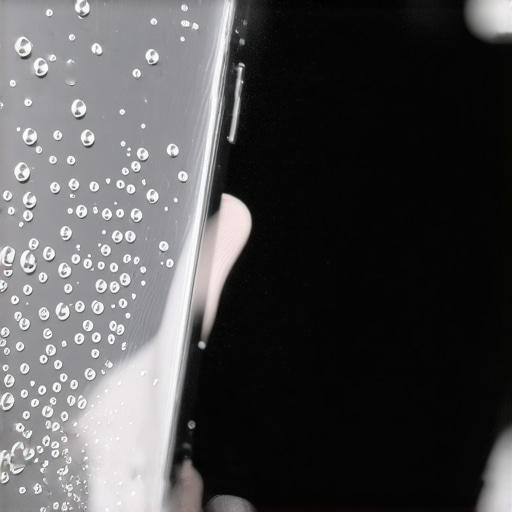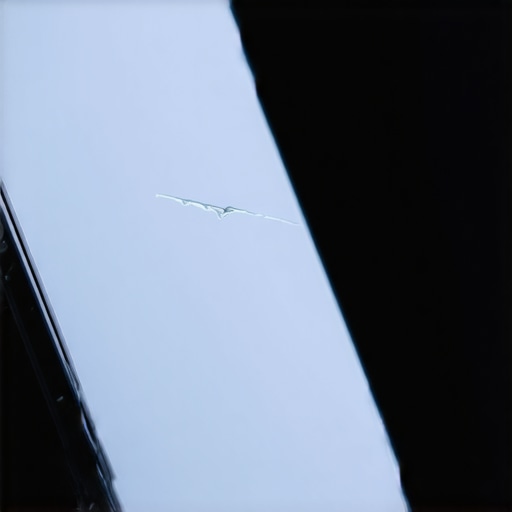
The truth about self-healing screen protectors
The Scratch That Won’t Go Away
In my twenty-five years as a master glazier, I have seen every type of surface failure imaginable, from the micro-fissures in a high-rise curtain wall to the spiderwebbing of a failed tempered pane. Recently, a client called me to their luxury storefront in downtown Miami. They were in a total panic because their expensive protective film, marketed as ‘self-healing,’ had turned into a cloudy, bubbling mess under the relentless Florida sun. I walked in with my digital hygrometer and a thermal camera, and I had to break the news: it was not the glass that had failed, but the unrealistic expectations placed on a thin layer of plastic. The humidity was trapped between the film and the glazing bead, and the UV radiation had essentially cooked the polymer. This homeowner had fallen for the marketing hype of ‘self-healing’ without understanding the actual physics of surface tension and material memory.
The Molecular Logic of Self-Healing Polymers
When we talk about the truth regarding self-healing screen protectors, we are really talking about Thermoplastic Polyurethane or TPU. Unlike the rigid, crystalline structure of the silica-based glass that a professional glass installer handles daily, TPU is an amorphous polymer with a unique ‘shape memory’ attribute. When you scratch a piece of standard annealed glass, you are physically removing material or creating a permanent fracture line. In contrast, a scratch on a TPU protector is actually just a displacement of molecules. Because these polymers are engineered with high elasticity, they want to return to their original state. When heat is applied, whether from the sun or a pocket, the hydrogen bonds within the material become more fluid and allow the ‘valley’ of the scratch to level out. This is not magic; it is simply the material returning to its baseline geometry.
“Installation is just as critical as the window performance itself. A high-performance window installed poorly will fail.” AAMA Installation Masters Guide
The SHGC Factor: Why Climate Destroys Protectors
In a southern, high-heat climate like ours, the Solar Heat Gain Coefficient (SHGC) is the most critical metric for any transparent surface. A professional glass installer knows that a low SHGC is the only way to prevent a room from becoming an oven. When you apply a self-healing film over your device or your window, you are essentially creating a secondary glazing layer. In the South, we want our Low-E coatings on Surface #2 to reflect heat back outside. When these films are exposed to direct sunlight, they absorb a massive amount of radiant energy. This heat is what allows the ‘healing’ process to happen, but it also accelerates the degradation of the adhesive. This is why mobile service technicians often see films yellowing or losing their ‘memory’ within months. The very heat required to fix a scratch is the heat that will eventually break down the chemical bonds of the TPU.
Professional Chip Repair vs. Consumer Films
There is a massive difference between a cosmetic ‘self-healing’ film and a structural chip repair performed by a certified glass installer. When I perform a same-day chip repair on a piece of architectural glass, I am not relying on a polymer to ‘remember’ its shape. I am using a high-viscosity resin that is injected into the rough opening of the crack under a vacuum. We then use ultraviolet light to cure that resin, effectively bonding the glass back together. This is a structural fix. A screen protector is merely a sacrificial layer. It does nothing to improve the structural integrity of the glass substrate beneath it. If the glass itself is chipped, no amount of ‘self-healing’ plastic will prevent that crack from propagating across the surface due to thermal stress. You need a mobile service to actually stabilize the fracture before it reaches the glazing bead or the edge of the sash.
“The architectural glass and fenestration industry relies on standardized testing to ensure that materials meet the rigors of environmental exposure.” ASTM E2112 Standard Practice
The Physics of Refractive Indices
One aspect that ‘Glazing Zooming’ allows us to examine is the refractive index. The reason glass is so prized is its clarity. When you add a layer of TPU, you are introducing a material with a different refractive index than the glass. This leads to what we call ‘orange peel’ texture. As a glazier, I am trained to look for distortions in the light path. If the film is not perfectly flat, it scatters visible light, reducing the VT (Visible Transmittance) of your screen. For anyone who values color accuracy, these ‘healing’ layers can be a nightmare. Furthermore, if any dust was caught in the sill pan or on the surface during installation, it creates a permanent air pocket that the polymer cannot heal over. This is why a clean-room environment or a very steady hand from a mobile service professional is required for a successful application.
Maintenance and the Role of Weep Holes
In the world of window installation, we use weep holes to allow moisture to escape the frame. In the world of screen protectors, there is no such escape route. If you use your device in high-humidity environments, moisture can migrate under the edges of the protector. This moisture then reacts with the adhesive, leading to the delamination I saw at the storefront in Miami. A professional glass installer understands that water management is the most important part of any installation. Whether you are dealing with a skyscraper or a handheld device, the principle remains the same: if you cannot manage the water, the system will fail. This is why many high-end ‘self-healing’ systems are now moving toward hydrophobic coatings rather than thick TPU layers. These coatings use nanotechnology to repel oil and water, making the surface easier to clean without the bulk of a plastic film.
The Verdict: Professional Intervention vs. DIY
The truth is that while ‘self-healing’ technology is an impressive feat of polymer engineering, it is often a poor substitute for the durability of high-quality glass or a professional chip repair. If you have a significant gouge in your glazing, you do not need a plastic film; you need a same-day repair from a technician who understands the tolerances of a rough opening and the proper use of shims to ensure a level fit. The comfort and clarity of your view depend on the science of the glass, not the marketing of the protector. When a scratch goes deep enough to hit the silica, the ‘healing’ stops and the real work of the glazier begins. Do not trust a thin film to do the job of a structural glass installer. Focus on the numbers: U-factor, SHGC, and VT. Those are the only truths that matter in the glazing industry.