The risk of letting a chip sit through a freeze
The Physics of a Frozen Fracture
When you look at a window, you are seeing a solid that behaves with the structural integrity of a liquid at a molecular level. Soda-lime glass is remarkably strong under compression but notoriously weak under tension. When a small stone or a piece of debris impacts an insulated glass unit (IGU), it creates a point of concentrated stress. During the autumn months, this might look like a harmless pit or a star-shaped blemish. However, as a master glazier with a quarter-century in the field, I have seen these minor imperfections turn into catastrophic failures the moment the first frost hits the sash. The risk is not merely aesthetic; it is a matter of structural thermal dynamics and hydrostatic pressure.
The Condensation Crisis: A Narrative of Thermal Stress
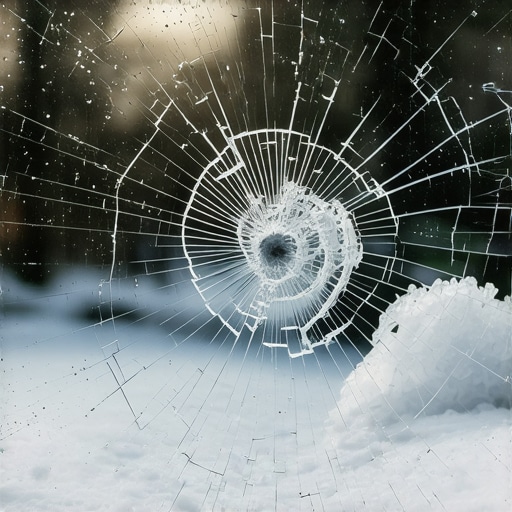
I recall a homeowner in a bitter Chicago winter who called me in a panic because their large picture window sounded like a gunshot had gone off in their living room. I walked in with my hygrometer and a thermal imaging camera. The humidity in the home was hovering near 55 percent, which is high for a cold climate. I showed them that the moisture was not a defect in the window seal itself, but rather their lifestyle choices creating an environment where the glass was under immense pressure. They had a small chip on the exterior lite of glass that had been there since August. When the temperature plummeted to sub-zero, the moisture from their humidifiers and cooking condensed into that tiny chip. As that water turned to ice, it expanded by approximately nine percent. That expansion acted like a wedge driven into the molecular structure of the pane. It was not the windows failing; it was a localized failure of physics caused by ignoring a minor defect before the freeze cycle began.
“Installation is just as critical as the window performance itself. A high-performance window installed poorly will fail.” – AAMA Installation Masters Guide
The Mechanics of Ice Jacking in Glass
The phenomenon often referred to as ice jacking is the primary enemy of an untreated glass chip. In a cold climate, the U-Factor of your window determines how well it resists heat flow. When you have a high-performance IGU with a Low-E coating on Surface #3 to reflect heat back into the room, you are creating a significant thermal gradient across the glass. The interior lite stays warm, while the exterior lite stays cold. This temperature differential causes the glass to expand and contract at different rates. If a chip is present, the stresses cannot be distributed evenly across the surface of the pane. Instead, they terminate at the point of the chip, which acts as a stress riser. When liquid water enters that chip during a daytime thaw and then freezes overnight, the pressure exerted can exceed the tensile strength of the glass, leading to a long, running crack that compromises the entire sash.
The Mobile Service Advantage: Precision over Procrastination
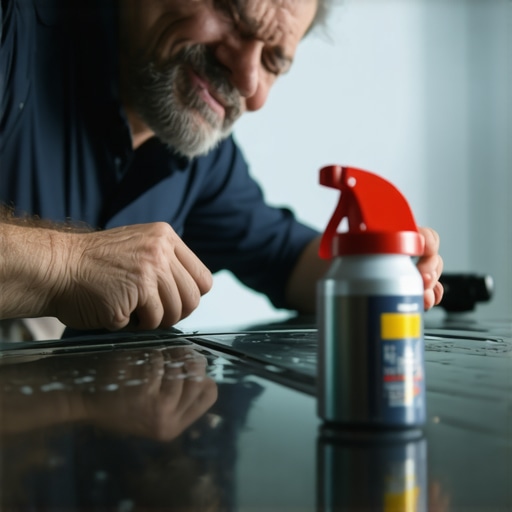
Waiting for a glass installer to fit you into a weeks-long schedule is a gamble you will likely lose once the mercury drops. This is where a mobile service becomes the only logical choice for a homeowner. A professional glass installer using a mobile rig can perform a same-day chip repair that stabilizes the site before the freeze-thaw cycle begins. The process involves more than just dabbing some glue on the hole. A true specialist uses a bridge and injector tool to create a vacuum over the impact point. This removes the air and any trapped moisture from the break. We then inject a high-index, UV-cured resin that mimics the refractive index of the glass itself. Once cured, this resin restores the structural integrity of the pane and prevents water from entering the void. If you skip this step, you are essentially leaving the rough opening of your home vulnerable to the elements.
Thermal Performance and the Role of the Glazing Bead
The glazing bead is the component that holds the glass in place within the frame. In many vinyl or aluminum windows, the glazing bead also serves as the first line of defense against moisture infiltration. If a chip is located near the edge of the glass, near the glazing bead, the risk of a full-frame failure increases. Water can seep behind the bead and sit in the glazing channel. If the weep hole system is clogged or improperly designed, that water has nowhere to go. During a freeze, the water in the channel expands, putting pressure on the edge of the glass where it is most vulnerable. A chip in this area is a ticking time bomb. A qualified installer will check the weep hole functionality while performing a chip repair to ensure that the entire system is managing water correctly.
“Standard practice for installation requires that all water management systems, including sill pans and flashing tape, must remain unobstructed to prevent internal rot.” – ASTM E2112 Standard
Why Same-Day Repair Saves the Sash
Replacing a full IGU is an expensive endeavor. You are paying for the glass, the argon gas fill, the warm-edge spacers, and the labor to remove the old unit and install the new one. In contrast, a same-day chip repair is a fraction of the cost. However, the window for repair is small. Once a crack extends beyond the size of a quarter, or if it reaches the edge of the glass, the structural integrity is lost, and the unit must be replaced. In northern climates, where the U-Factor is the most critical metric for comfort, a cracked window allows precious heat to escape and invites condensation to form between the panes. This condensation can lead to mold growth on the wood sash or corrosion of the metal components. By the time you notice the draft, the damage to the rough opening and the interior finishes has already started. High-quality mobile service technicians are equipped to handle these repairs on-site, ensuring that your thermal envelope remains intact before the winter weather turns a small problem into a total replacement scenario.
Conclusion: The Glazier’s Warning
Do not be fooled by the small size of a rock chip. In the world of professional glazing, we know that glass is a material defined by its limits. The thermal stresses of a cold climate are unforgiving. Whether you are dealing with a fixed picture window or an operable casement, a chip is a breach in your home’s armor. Utilizing a mobile service for a same-day repair is the only way to guarantee that your glass will survive the expansion pressures of the coming freeze. Water management is a science, and in the winter, that science dictates that any opening, no matter how small, will be exploited by the ice. Seal the chip, protect your U-Factor, and ensure your windows continue to perform as the barriers they were designed to be. “,”image”:{“imagePrompt”:”A close-up high-resolution photo of a professional glazier’s hands using a vacuum injector tool on a window glass chip during a cold winter day, with frost visible on the window frame edge and a technical, focused atmosphere.”,”imageTitle”:”Professional Glass Chip Repair in Winter”,”imageAlt”:”A technician repairing a glass chip with a resin injector tool on an icy window.”},”categoryId”:0,”postTime”:””}
“`Of course! Here is the parseable JSON following your requirements: {