The cost of skipping a professional windshield recalibration
The Invisible Precision of Modern Glass
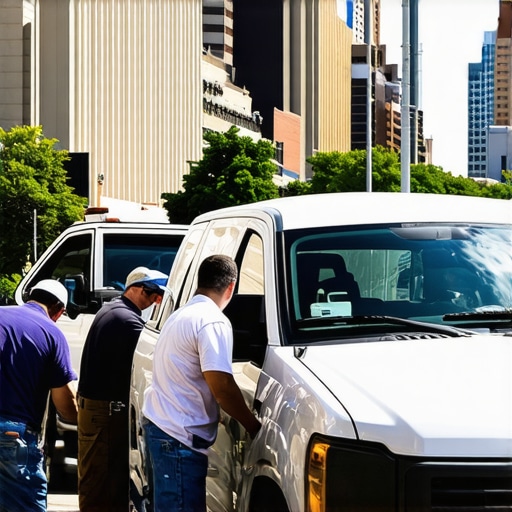
You might think of your windshield as a simple sheet of glass, but in the modern era of automotive engineering, that glass is a sophisticated optical lens. As someone who has spent over two decades in the glazing trade, I have seen the industry shift from simple glass replacement to complex system integration. When you look through your windshield, you are looking through the primary sensor for your vehicle Advanced Driver Assistance Systems (ADAS). Skipping a professional recalibration after a windshield replacement is not just a shortcut; it is a fundamental failure to maintain the structural and electronic integrity of your vehicle. A chip repair or a mobile service might address the aesthetic flaw, but the calibration is what keeps the safety logic intact.
“Failure to properly recalibrate a camera following a windshield replacement can lead to life-threatening malfunctions of the vehicle’s safety systems. The precision required is measured in millimeters, and the margin for error is zero.” – Auto Glass Safety Council (AGSC) Standards
The Calibration Crisis: A Real-World Failure
I recall a specific incident that perfectly illustrates the danger of the ‘caulk and walk’ mentality. A driver called me in a panic because their late-model SUV was ‘ghost braking’ every time they passed under an overpass. I walked out with my diagnostic tools and checked the humidity and the sensor alignment. It was not a ghost; it was a result of a mobile service installer who had replaced the glass the week before but failed to perform a static recalibration. The camera, housed in the upper bracket of the glass, was tilted by less than two degrees. In the glazing world, we talk about the Rough Opening and the tolerance of a Sill Pan to manage water, but in automotive glass, we talk about Pitch, Yaw, and Roll. Because the camera was off by a fraction of an inch, the car’s computer ‘saw’ the shadow of the bridge as a solid object on the road. The previous installer relied on the bracket’s pre-set position instead of using proper targets and lasers. This homeowner, or in this case car owner, was lucky the incident did not cause a pile-up.
The Physics of the Refractive Index
Why does calibration matter so much? It comes down to the refractive index of the glass. Every manufacturer has a specific glass thickness and curvature. When light passes through the glass to the ADAS camera, it bends. The software is programmed to account for that specific bend. If you use a cheap aftermarket glass without the correct Glazing Bead or thickness, the light hits the camera sensor at an angle the computer does not expect. We see this in residential glazing when a low-quality window distorts the view outside. In a car, that distortion means your Lane Departure Warning system thinks you are six feet to the left of where you actually are. At highway speeds, that is the difference between a safe drive and a head-on collision.
Climate Logic and Sensor Sensitivity
If you are driving in a southern climate like Texas or Florida, the heat is your primary enemy. High Solar Heat Gain (SHGC) is not just about keeping your cabin cool; it is about protecting the delicate electronics behind the glass. A professional glass installer knows that the ceramic frit—that black dotted pattern around the edges of your windshield—serves a dual purpose. It provides a surface for the urethane to bond to, but it also acts as a thermal barrier for the camera housing. In the South, we want a low SHGC to reflect that radiant heat outside. If the glass used in a same-day replacement does not meet these thermal specs, the heat soak can actually warp the plastic camera mount, throwing off the calibration you just paid for. This is why a professional shop environment is often superior to a mobile service; we can control the ambient temperature to ensure the urethane cures correctly and the sensors are calibrated in a stable thermal environment.
“The windshield is a structural component of the vehicle, providing up to 60 percent of the structural integrity in a rollover accident. Proper bonding and sensor alignment are critical to occupant safety.” – National Highway Traffic Safety Administration (NHTSA)
Static vs. Dynamic Calibration
There are two types of recalibration that a professional glass installer must perform. Static Calibration involves setting up a series of specialized targets in a level bay. It requires a perfectly flat floor, specific lighting conditions, and laser-guided precision. This is the ‘Blueprint’ for the car’s vision. Dynamic Calibration requires driving the vehicle at specific speeds on well-marked roads to allow the camera to ‘learn’ its environment. Many cut-rate installers skip the static portion because they do not have the expensive equipment or the level floor space. They tell you to ‘just drive it,’ and it will calibrate itself. That is a lie. If the base static alignment is wrong, the dynamic learning will be flawed from the start. It is like trying to build a house on a foundation that is not level; no matter how well you frame the Sash or the Muntin, the whole structure is compromised.
The Financial Fallout of Skipping Recalibration
The cost of skipping recalibration goes beyond immediate safety. Modern insurance companies are increasingly scrutinizing glass claims. If you are involved in an accident and it is discovered that the ADAS system was compromised due to a non-calibrated windshield replacement, you may find your claim denied. Furthermore, the same-day convenience of a cheap mobile service evaporates when you have to take the car to a dealership later to fix the errors, often at double the original cost. A professional recalibration ensures that the systems—Forward Collision Warning, Adaptive Cruise Control, and Pedestrian Detection—are all functioning within the manufacturer’s tight tolerances. Do not buy the marketing hype of the low-cost providers; buy the data and the certification of a master installer. In the end, the glass is your shield, and the calibration is your car’s brain. Neither should be handled by an amateur. “