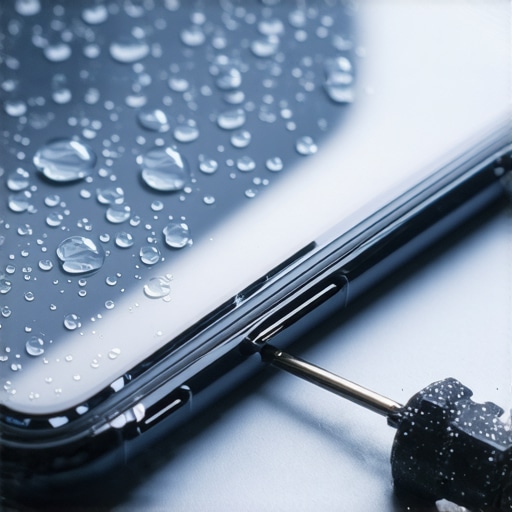
How to tell if your phone is still water-resistant after a screen swap
The Condensation Crisis and the Reality of Micro-Glazing
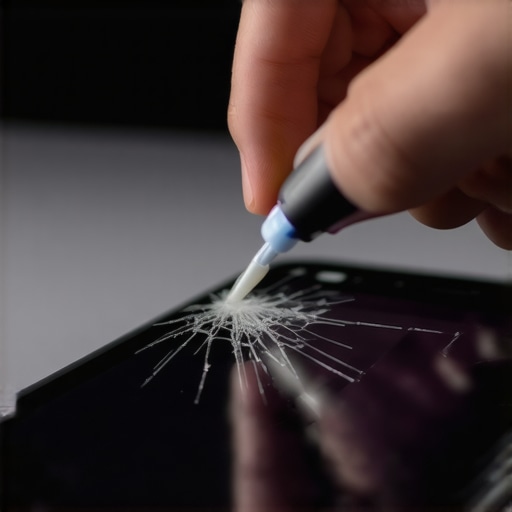
A homeowner called me in a panic because their new windows were ‘sweating.’ I walked in with my hygrometer and showed them the humidity was 60%. It wasn’t the windows; it was their lifestyle choices. I saw the same phenomenon last Tuesday, not with a bay window, but with a high-end smartphone. A client brought in a device after a same-day glass installer had swapped the screen. There was a visible fog on the interior of the camera lens, a classic sign of an atmospheric breach. As a master glazier with a quarter-century in the trade, I look at a smartphone as a miniature structural glazing project. When you swap a screen, you are essentially performing a full-frame replacement in a high-tolerance Rough Opening. If the technician treats it like a ‘caulk-and-walk’ job, the moisture management system fails. In the world of commercial glazing, we worry about the Dew Point. In the world of mobile service, that same physics applies. When the warm, humid air of a July afternoon gets trapped inside a phone during a chip repair or screen swap, and then you hit the air conditioning, that moisture drops out of the air and onto your sensitive electronics.
The Anatomy of the Seal: Why Your Phone is a Pressure Vessel
When we talk about water resistance in a mobile device, we are discussing a specialized version of a Sill Pan and Flashing Tape system. The manufacturer uses a pre-formed Glazing Bead, essentially a chemical gasket, to create a hermetic seal. This isn’t just about keeping liquid out; it is about managing the pressure differential. In architectural glazing, we look at the NFRC ratings for air infiltration. In the phone world, we look at IP68. This rating suggests the device can withstand immersion, but that rating is only as good as the last time the seal was broken. Once a glass installer prying at the frame disturbs that original bond, the factory-set compression is gone. To restore it, the technician must treat the Rough Opening of the phone with the same respect I give a masonry opening in a skyscraper. Any leftover adhesive residue acts like a shim that’s too thick, preventing the new screen from sitting flush. If the screen is proud of the frame by even a fraction of a millimeter, your water resistance is zero.
“Installation is just as critical as the window performance itself. A high-performance window installed poorly will fail.” – AAMA Installation Masters Guide
The Installation Autopsy: Where Same-Day Services Fail
Most mobile service centers offer same-day repairs, but speed is often the enemy of the bond. In my 25 years, I have learned that chemical cross-linking takes time. When we apply structural silicone to a curtain wall, we don’t hang it the same hour. We let it cure. Many phone repair shops use a double-sided acrylic tape that mimics the look of a seal but lacks the hydrostatic resistance of a true polyurethane bond. They skip the primer, they skip the heat-press cycle, and they certainly skip the vacuum test. I call these ‘caulk-and-walk’ repairs. They look fine on the surface, but the moment the phone is exposed to a Coastal/Storm environment with high humidity and wind-driven rain, the seal fails. The ‘Shingle Principle’ states that water should always be directed down and out. In a phone, we don’t have a Weep Hole to let the water escape, so the seal must be absolute. The glass installer must ensure that the Glazing Bead is continuous, without a single gap where air or water could migrate.
Technical Performance: U-Factor and Thermal Expansion in Micro-Glass
We often discuss the U-Factor of a window, which measures heat transfer. While a phone screen doesn’t have a traditional U-Factor, it does deal with significant thermal stress. When you run a heavy application, the processor generates heat that must dissipate through the frame and glass. In a hot climate like Texas or Florida, the Solar Heat Gain on a black phone screen can be immense. This causes the materials to expand. A master glazier knows that different materials have different coefficients of thermal expansion. The aluminum frame and the Gorilla Glass screen expand at different rates. The adhesive acting as the Flashing Tape must be flexible enough to handle this movement without shearing. If a cheap, rigid adhesive is used during a chip repair, the first time you leave your phone on a hot dashboard, the seal will crack. This is why we insist on materials that meet ASTM E2112 standards for high-performance installations.
“The primary purpose of flashing is to provide a continuous path for water to be directed to the exterior of the building envelope.” – ASTM E2112
The Master Glazier’s Checklist for Post-Repair Integrity
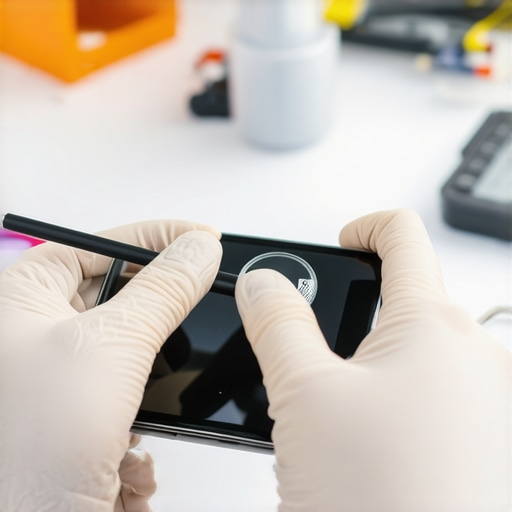
How do you actually tell if your phone is still water-resistant? You don’t throw it in a bucket of water. That is a destructive test that could cost you your data. Instead, you look for the signs of a professional glaze. First, check the margins. The gap between the glass and the frame should be perfectly even all the way around, much like the reveal on a well-hung Sash. Second, look for any ‘squeeze-out’ of adhesive. If you see messy glue at the edges, the technician didn’t use a precision-cut gasket. Third, use the internal barometer test. Many modern phones have a built-in pressure sensor. Open a diagnostic app, seal the Weep Hole (speaker grill) with your thumb, and press down gently on the screen. If the pressure reading spikes and stays up, you have a sealed vessel. If it drops immediately, you have an air leak, and that means you have a water leak. You should also verify the Visible Transmittance of the replacement glass. Cheap glass often has a wavy reflection, indicating it wasn’t tempered or polished to the standards of an Operable window in a luxury home.
Final Verdict: The Installer Matters More Than the Glass
At the end of the day, a phone is just a very small, very expensive window into your digital life. Whether I am installing a triple-pane unit with a Low-E coating on Surface #3 or helping a client understand their phone repair, the principles remain the same. You cannot shortcut the physics of water management. If you are looking for a mobile service or a glass installer for your device, ask them about their curing process. Ask them if they use a vacuum press to reset the Glazing Bead. If they look at you like you are speaking a foreign language, take your business elsewhere. You want an installer who understands that the Rough Opening must be pristine and that the seal is the only thing standing between your motherboard and the next rainstorm. Don’t buy the marketing hype of same-day service if it means compromising the structural integrity of your device. Buy the technical expertise of someone who treats every glass installation as a work of engineering precision.
{“@context”: “https://schema.org”, “@type”: “HowTo”, “name”: “How to Check Phone Water Resistance After Screen Repair”, “step”: [{“@type”: “HowToStep”, “text”: “Inspect the margins between the glass and the frame for uniformity.”}, {“@type”: “HowToStep”, “text”: “Check for adhesive residue or gaps in the perimeter seal.”}, {“@type”: “HowToStep”, “text”: “Perform a barometric pressure test using the device’s internal sensors.”}, {“@type”: “HowToStep”, “text”: “Observe the screen for any signs of internal condensation after temperature changes.”}]}