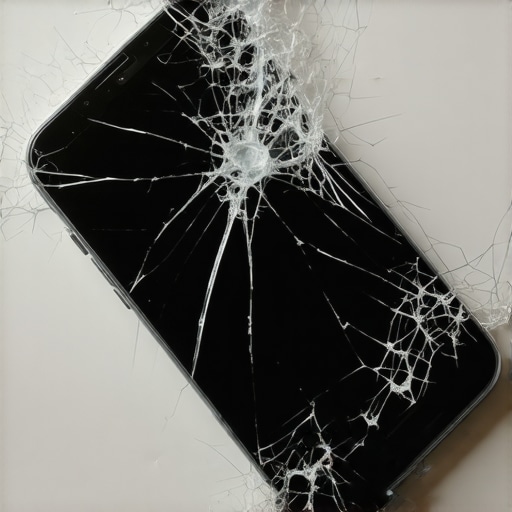
Why your phone’s flashlight might stop working after a fall
When a smartphone hits the pavement, most people check the screen immediately. However, the internal mechanics are much like a high performance window unit: they are systems of delicate components held in place by precise tolerances. A fall that leaves the glass intact can still jar a internal connector loose, much like how a structural shift in a home can break the hermetic seal of an insulated glass unit without shattering the panes. As a master glazier with over 25 years in the trade, I look at these failures through the lens of structural integrity and mechanical shock. When your flashlight fails after a drop, it is often a micro-fracture in the solder or a displacement of a ribbon cable. In the world of fenestration, we see similar hidden casualties when a window frame is stressed by house settling or improper shimming.
The Hidden Damage: A Narrative from the Field
I once pulled a vinyl window out of a house in Chicago and the header was completely black with rot. On the surface, the homeowner thought they just had a small draft. The previous installer had relied entirely on the nailing fin instead of proper flashing tape, thinking the vinyl would flex and handle any moisture. This is what I call the caulk and walk mentality. They did not understand that the rough opening is a living part of the structure. Much like a dropped phone that looks fine but has a dead flashlight, this window looked functional from the curb. Beneath the trim, the lack of a proper sill pan and the failure to manage the dew point had allowed condensation to feed fungi for five years. The homeowner was shocked, but to a professional glass installer, the physics were inevitable. Water always finds the path of least resistance when the shingle principle is ignored.
Understanding the Physics of Impact and Stress
Whether you are dealing with a mobile device or a residential sash, impact creates a kinetic wave. In glass, this can lead to what we call a star crack or a bullseye. If you need a chip repair, you are essentially dealing with a localized failure of the glass tension. Our mobile service units often deal with these issues on a same day basis because we know that thermal expansion will turn a tiny chip into a full-length crack. When the sun hits a chipped pane, the glass around the chip expands at a different rate than the damaged area. This is the same principle that causes internal phone components to fail: different materials (solder, plastic, copper) reacting to the shock of a fall at different frequencies.
“Installation is just as critical as the window performance itself. A high-performance window installed poorly will fail.” AAMA Installation Masters Guide
Climate Logic: The Cold Weather Combat
In northern climates like Chicago or Minneapolis, the enemy is heat loss and the dreaded condensation. We talk about the U-Factor constantly because it is the king of metrics here. A lower U-Factor means your window is better at keeping that expensive furnace heat inside. We achieve this through triple-pane configurations and the use of noble gases like Argon. Argon is denser than air, which significantly slows down the convective currents between the panes. To prevent the flashlight effect (hidden failure), we ensure the Low E coating is on Surface #3. This placement specifically reflects long wave infrared radiation back into the room. If we were in Phoenix, we would place it on Surface #2 to reject the heat before it even enters the glass. Understanding these surfaces is the difference between a comfortable home and a massive energy bill.
The Anatomy of a Proper Installation
A window is not just a piece of glass; it is a managed hole in your thermal envelope. To prevent the rot I described earlier, a professional glass installer must respect the rough opening. We use shims to level the unit, but they must be placed strategically under the setting blocks of the glass to ensure the weight is transferred correctly to the structure. If you shim a frame too tightly without a gap for expansion, the sash will bind. Eventually, the stress will cause the corner welds to fail. We also emphasize the use of a sill pan: a redundant drainage system that catches any water that gets past the primary seals and directs it out through weep holes. If those weep holes are clogged or poorly designed, the water stays in the frame, and you end up with the same black rot I found in that Chicago bungalow.
“The window assembly must be designed to manage water shedding and provide a continuous air barrier across the rough opening.” ASTM E2112 Standard Practice
Why Professional Repair Matters
When you seek same day mobile service for a chip repair or a window issue, you are not just paying for a technician; you are paying for an understanding of material science. A chip in a window is a point of concentrated stress. If not addressed, the daily cycle of heating and cooling will eventually win. Our goal as glaziers is to restore the structural integrity of the pane before the damage becomes structural. We use specialized resins that match the refractive index of the glass, ensuring that the repair is not only strong but virtually invisible. This level of precision is why you should never trust a high-pressure salesman who cannot explain the difference between a warm edge spacer and a standard aluminum one. Aluminum spacers are a thermal bridge, conducting cold directly to the edge of the glass where it meets the sash. This leads to condensation at the perimeter, even if the center of the glass is warm. Modern spacers use stainless steel or structural foam to break that bridge, keeping the glass edge above the dew point even in the middle of a January freeze. In conclusion, whether it is your phone’s flashlight failing after a fall or a window leaking air, the root cause is usually a failure of the internal systems designed to handle stress. Do not settle for quick fixes that ignore the underlying physics. Demand a full frame analysis and ensure your glass installer understands that water management and thermal performance are non-negotiable standards of the trade.