How to tell if your phone frame is actually bent
The Integrity of the Aperture: Why a Bent Frame is More Than a Cosmetic Flaw
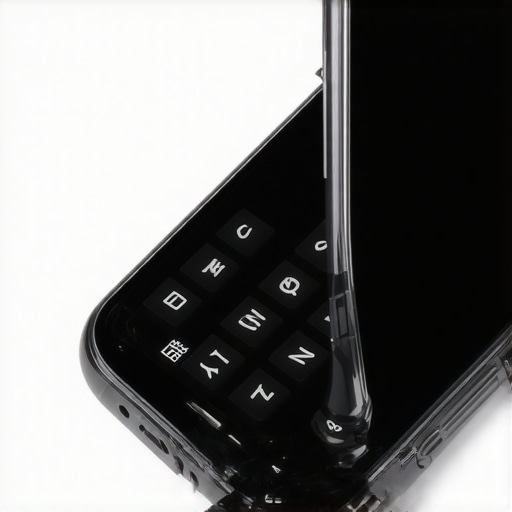
As a master glazier with over two decades of experience handling everything from high-rise curtain walls to intricate residential sash replacements, I have learned one immutable truth: the glass is only as good as the frame that holds it. Whether we are talking about a twelve-foot storefront window or the glass assembly on a mobile device, structural integrity is non-negotiable. When a homeowner or a client asks how to tell if their phone frame is actually bent, they aren’t just asking about aesthetics. They are asking about the structural health of a complex glazing system. A bend in a frame, no matter how microscopic, creates a stress riser that compromises the entire assembly.
A homeowner called me in a panic because their new windows were sweating. I walked in with my hygrometer and showed them the humidity was 60 percent. It was not the windows; it was their lifestyle. I see the same thing with mobile devices. Users notice a screen lifting or a strange shimmer in the display and assume the glass is failing. In reality, the frame has likely suffered a deflection, much like a warped rough opening in a house. When the frame moves, the glazing bead is forced to compensate, and eventually, something has to give. In the world of high-end glass installation, we call this a failure of the perimeter support.
The Anatomy of a Frame: Rough Openings and Tolerances
In window installation, we obsess over the rough opening. If the wood or steel around the window is out of plumb or level, the window will never operate correctly. Your phone frame is the rough opening for your screen. These frames are typically machined from 6000 or 7000 series aluminum or stainless steel, materials chosen for their specific Young’s Modulus (the measure of stiffness). However, even these metals have a yield point. Once the frame is bent beyond its elastic limit, it enters the realm of plastic deformation. It will not return to its original shape.
“Installation is just as critical as the window performance itself. A high-performance window installed poorly will fail.” – AAMA Installation Masters Guide
When the frame is bent, the glazing channel—the area where the screen sits—is no longer a perfect plane. In the glazing trade, we use shims to ensure a window sits perfectly within its opening. In a phone, there is no room for shims. The tolerances are measured in microns. If the frame is bent, the screen is being forced into a curve. Because the glass used in modern phones is typically aluminosilicate, it is incredibly strong under compression but vulnerable to tension. A bent frame puts one side of the glass under constant tension, making it significantly more likely to shatter from a minor impact that would otherwise cause no damage.
The Flashlight and Straightedge: The Glazier’s Diagnostic
To identify a bent frame, you must think like a glass installer. We use straightedges to check for floor levelness and wall plumbness. You can do the same. Lay your device on a known flat surface, like a granite countertop or a piece of float glass. If the device wobbles when you press on opposite corners, you have a deflection. This is the same way we check a window sash for torque.
Another method is the light-gap test. Take a high-quality machinist’s ruler and place it along the long edge of the frame. Hold it up to a bright light source. If you see light peaking through the center or the ends, the frame is bowed. As a glazier, I look for these gaps in sill pans and head flashings. Any gap indicates that the structural load is not being distributed evenly. If you are in a South or Hot climate like Texas or Florida, this is even more critical. High ambient temperatures can cause the battery to swell, which exerts internal pressure on an already compromised frame. In these regions, Solar Heat Gain (SHGC) is not just a window metric; it is a reality for any glass-faced object left in a car or on a windowsill. Heat causes expansion, and if the frame is bent, that expansion has nowhere to go but out through the glass.
Chip Repair and the Mobile Service Reality
Many people think that a simple chip repair is the end of their problems. However, if that chip occurred because the frame was bent, a repair is just a temporary fix. When we perform mobile service for glass installation, we have to ensure the frame is square before we ever apply adhesive or flashing tape. If a mobile service technician tells you they can just glue a new screen onto a bent frame, they are the “caulk-and-walk” installers of the phone world. Without a flat mounting surface, the new adhesive will eventually fail, leading to screen lifting or even total delamination.
“The NFRC rating provides a reliable way to determine a window’s energy performance, ensuring consumers can make informed decisions based on standardized testing.” – NFRC Performance Standards
While NFRC ratings are for thermal performance, the principle of standardized testing applies here too. If your frame is out of alignment by more than a fraction of a millimeter, it fails the structural test. A professional glass installer knows that the weep holes in a window system are there to manage water, but in a phone, those openings—like the speakers and charging ports—become points of structural weakness where the frame is most likely to bend under stress.
The Physics of the Bend: Tension vs. Compression
To understand why a bent frame is a death sentence for glass, you have to understand the physics of the material. Glass is a brittle solid. Unlike the metal frame, it cannot undergo plastic deformation. It is either whole or it is broken. When a frame is bent, it creates a “point load” on the edge of the glass. In the glazing industry, we use setting blocks to prevent the glass from ever touching the frame directly. This ensures that the weight is distributed. A bent phone frame acts like a misaligned setting block, pushing directly into the edge of the glass. This is where most cracks start. If you have a chip in your screen, and the frame is bent, that chip will quickly propagate into a spiderweb crack because the frame is constantly trying to pull the glass apart.
Mobile service for glass repair often involves replacing the entire mid-frame assembly for this very reason. It is often impossible to “straighten” a frame back to the tolerances required for a glass bond. Just as I would never try to straighten a buckled aluminum storefront mullion, a technician should never try to bend a phone frame back into shape. The metal has been fatigued, and its structural integrity is gone. If the frame is bent, the only professional solution is a full frame replacement to ensure the new glazing system is properly supported.
Managing the Environment: Heat and Moisture
In hot climates, the SHGC becomes a major factor. If your phone is black and sits in the sun, it absorbs a massive amount of radiant heat. If that phone has a bent frame, the thermal expansion of the internal components will be asymmetrical. This creates internal shearing forces. In the window world, we use thermally broken frames to prevent heat from transferring from the outside to the inside. Phone frames do not have this luxury; they are designed to dissipate heat from the processor to the exterior. A bend disrupts this thermal path, leading to hotspots that can further degrade the adhesives holding the screen in place.
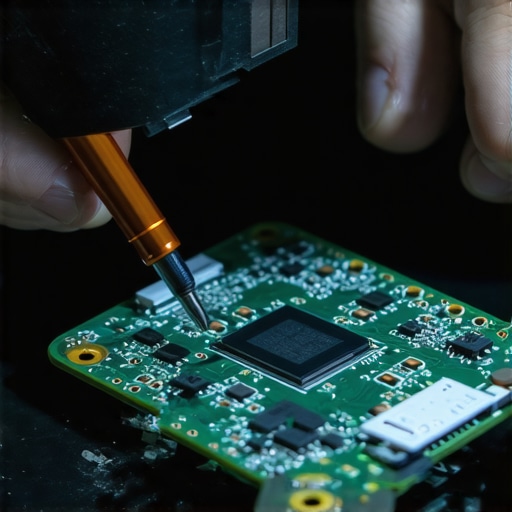
Weep holes in windows are designed to let water out, but if a frame is bent, the seals (the glazing beads) are no longer tight. This allows moisture to enter the internal cavity of the device. Just as water behind a window’s flashing tape will eventually rot the header, moisture inside a phone will corrode the logic board and the connectors. A bent frame is not just a visual issue; it is a breach in the building envelope of your device.
Conclusion: The Professional Standard
When you are evaluating a device, look at it with the eye of an inspector. Check the rough opening. Look for light gaps. Understand that the glass is a structural component that relies on the frame for its survival. Do not accept a repair that ignores the frame. A high-quality mobile service will always prioritize the frame’s flatness before attempting a screen replacement. In the glazing trade, we say that a window is only as good as its installation. The same is true for your mobile device. Keep the frame straight, the seals tight, and the glass will do its job for years to come.