Why your mobile glass installer should never use heat to dry a new seal
The High Cost of the Fast Fix in Mobile Glass Repair
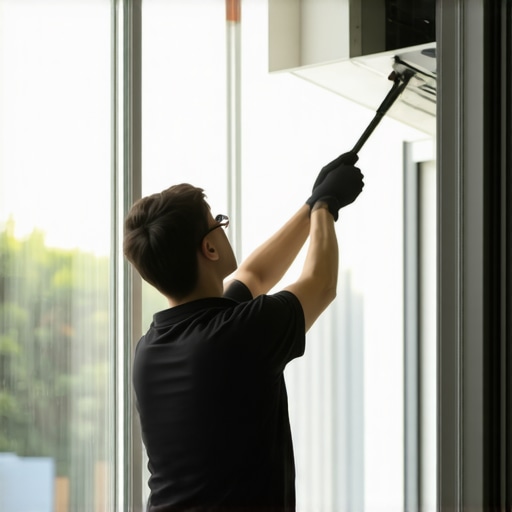
In twenty-five years of glazing, I have seen every shortcut in the book. I have seen installers use duct tape as flashing and silicone as a structural adhesive where it had no business being. But the most dangerous trend in the modern mobile service industry is the obsession with same-day completion at the expense of chemical integrity. Specifically, the use of heat guns or torches to force-dry a seal or cure a chip repair resin is a practice that ignores the fundamental physics of glass. A homeowner called me in a panic because their new windows were sweating. I walked in with my hygrometer and showed them the humidity was 60%. It wasn’t the windows; it was their lifestyle, but more importantly, it was the fact that the previous installer had compromised the glazing bead during a rushed installation, allowing moisture to bypass the primary seal before it had even set. This is what happens when you prioritize speed over the dew point.
“Installation is just as critical as the window performance itself. A high-performance window installed poorly will fail.” – AAMA Installation Masters Guide
The Physics of Thermal Expansion and Molecular Bonds
When a glass installer arrives for a same-day chip repair or a mobile service seal replacement, they are working against the environment. In colder climates like Chicago or Minneapolis, the temptation to ‘warm up’ the glass is high. However, glass and the polymer resins or urethanes used to seal it have vastly different coefficients of thermal expansion. If you apply localized heat to a window to dry a seal, you are creating a localized expansion zone. The glass grows, the sealant thins out to accommodate the movement, and then, as soon as the technician drives away and the glass cools, the material contracts. This contraction happens faster than the chemical cross-linking of the sealant can finish. The result is a micro-void. It might look sealed to the naked eye, but at a molecular level, you have just created a path for water and air infiltration.
Why Heat Destroys the Integrity of Chip Repair Resin
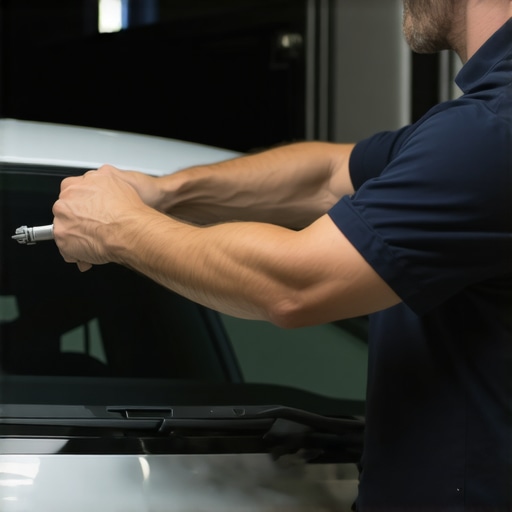
In a standard chip repair, the resin is designed to flow into the microscopic fissures of the break. This resin is typically UV-cured, meaning it requires specific light wavelengths to trigger the hardening process. When a mobile service tech uses heat to ‘thin’ the resin or dry the area, they risk boiling the volatiles within the resin. This creates tiny bubbles that weaken the structural bond. Furthermore, excessive heat can cause the laminate interlayer in automotive glass to delaminate or yellow. In residential glazing, applying heat to a sash to speed up the setting of a glazing bead can warp the vinyl or damage the wood’s cellular structure, leading to future rot. We manage the rough opening of a window to allow for natural movement; forcing that movement with a heat gun is asking for a stress crack.
The Role of the Dew Point and Humidity in Seal Failures
In northern climates, the U-Factor is the primary metric we care about. We want to keep the heat inside. To do that, we use double or triple-pane units filled with Argon gas. The seal that holds that gas in is a delicate balance of Polyisobutylene (PIB) and a secondary structural sealant. If a mobile glass installer uses heat to dry the exterior glazing bead, they are inadvertently raising the temperature of the air trapped in the glazing pocket. As that air cools, it creates a vacuum effect that can pull moisture toward the primary seal. If that seal hasn’t reached its full Shore A hardness, that moisture will eventually find its way into the IGU (Insulating Glass Unit). This is why you see fogging between the panes only months after a repair. It is a direct result of ignoring the AAMA standards for cold-weather glazing.
“Standard practices for the installation of exterior windows, doors and skylights must account for the thermal expansion of all substrate materials to ensure long-term weatherability.” – ASTM E2112
The Anatomy of a Proper Seal Without Artificial Heat
A real glazier knows that patience is a tool just as important as a glass cup or a shim. To properly seal a window or repair a chip, the environment must be stabilized, not forced. This involves cleaning the rough opening, ensuring the sill pan is clear of debris, and allowing the materials to reach an equilibrium temperature. If it is too cold for the sealant to flow, the answer is not a torch; the answer is a primer or a different chemical formulation designed for low-temperature application. We look at the weep hole to ensure it is not blocked by excess sealant that was forced into the profile by thinning it with heat. We check the muntin bars and the sash alignment to ensure the glass is sitting dead center, allowing the glazing bead to apply even pressure across the entire perimeter.
The Myth of Same-Day Permanent Curing
The marketing of ‘same-day’ service has done a disservice to the technical reality of glazing. While a chip repair can be ‘cured’ enough to drive or close a window in an hour, the full chemical maturation of high-performance seals can take 24 to 72 hours. When you introduce heat, you are not ‘curing’ the material; you are merely ‘drying’ the surface solvents. This leaves the core of the sealant bead soft and vulnerable. In an operable window, opening the sash too early after a heat-forced seal job can cause the sealant to pull away from the glass, creating a permanent air leak that no amount of caulk can fix later. You might save an hour today, but you are cutting ten years off the life of the window.
Identifying a Professional Mobile Service
So how do you know if your glass installer knows their science? Look at their kit. A professional will have a variety of resins for different temperatures. They will use a UV lamp for curing, not a heat gun. They will talk about the U-Factor and the importance of maintaining the thermal break in an aluminum frame. They will understand that a shim is used to level the unit, but it also provides the necessary space for the sealant to take up movement. If they pull out a propane torch to ‘dry out’ a wet frame before sticking a new seal on it, ask them to leave. They are about to cause a thermal shock that could lead to a spontaneous fracture of the glass. Proper water management and seal integrity are about following the shingle principle: everything must overlap in a way that gravity pulls water away from the opening. Heat disrupts this by changing the viscosity and the final shape of the weatherstripping and seals.
{“@context”: “https://schema.org”, “@type”: “HowTo”, “name”: “How to Ensure a Proper Mobile Glass Seal”, “step”: [{“@type”: “HowToStep”, “text”: “Ensure the glass surface is between 50 and 90 degrees Fahrenheit naturally.”}, {“@type”: “HowToStep”, “text”: “Clean the site using non-residual cleaners to avoid chemical interference with the seal.”}, {“@type”: “HowToStep”, “text”: “Apply the sealant or resin without the use of external heat sources to allow for natural cross-linking.”}, {“@type”: “HowToStep”, “text”: “Allow the unit to remain stationary for the manufacturer-recommended initial set time.”}]}