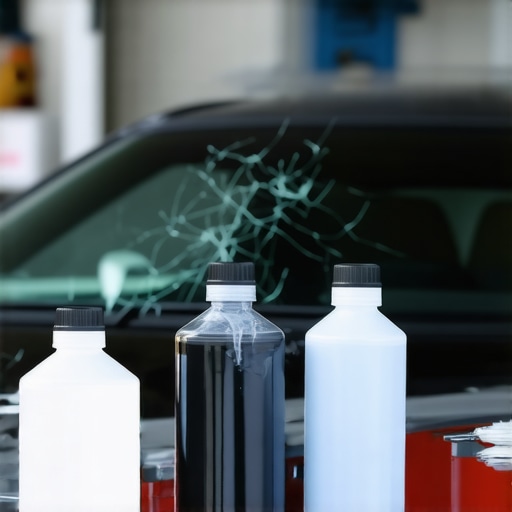
Why cheap DIY resin kits often make your windshield unrepairable
The High Cost of Cheap Resin: Why Your DIY Windshield Repair is a Structural Liability
In my twenty-five years as a master glazier, I have seen glass behave in ways that would baffle the average person. I have installed skyscraper curtain walls and replaced historic 19th-century sashes, but the most common mistake I see today is the reckless use of cheap DIY resin kits on windshields. People look at a rock chip and see a minor annoyance. I look at it and see a breach in a structural safety component. A windshield is not just a piece of glass; it is a sophisticated laminate designed to keep you inside the vehicle during a roll-over. When you attempt to fix a chip with a fifteen-dollar kit from a discount bin, you are often making the glass unrepairable for a professional glass installer.
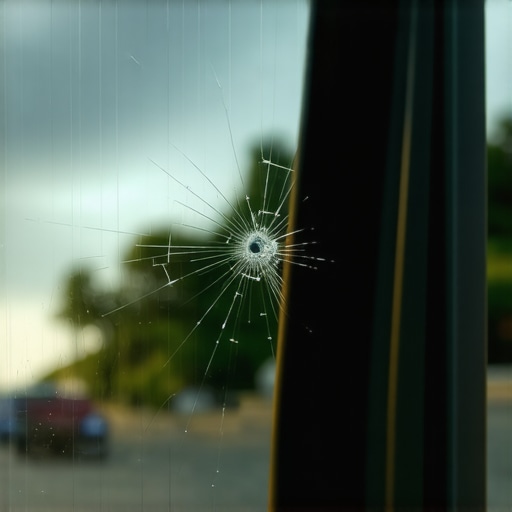
I remember a specific case in Chicago where a homeowner called me after trying a generic retail resin kit on his truck. He had a classic star-break right in his line of sight. He thought he followed the instructions, but he did not account for the dew point or the internal temperature of the glass. By the time I arrived with my professional bridge and vacuum pump, the cheap, low-viscosity resin had already cured on the surface, effectively sealing a pocket of air and moisture inside the break. Because that inferior resin had hardened, I could no longer reach the legs of the crack with a high-grade anaerobic resin. What could have been a thirty-minute mobile service for a chip repair turned into a full-frame replacement of a heated, rain-sensing windshield that cost him nearly eight hundred dollars. This is the reality of the DIY trap.
“Installation is just as critical as the window performance itself. A high-performance window installed poorly will fail.” – AAMA Installation Masters Guide
The Molecular Failure of Retail Resins
To understand why these kits fail, we have to look at the glazing beads of the industry: the chemistry of the resin itself. Professional-grade resins used by a certified glass installer are engineered with specific refractive indices that match the glass perfectly, usually around 1.52. Cheap kits often use a generic acrylic or cyanoacrylate-based monomer that does not account for the optical properties of the glass. When the light hits that repair, it refracts at a different angle, leaving a visible scar that can be as distracting as the original chip. Furthermore, professional resins are categorized by viscosity measured in centipoise. In colder climates like Minneapolis or Chicago, we use a thinner resin to ensure capillary action pulls the fluid into the tightest microscopic fissures. In a southern heat-wave, we use a higher viscosity to prevent the resin from bleeding out before it cures.
DIY kits are a one-size-fits-all disaster. They do not account for the thermal expansion of the glass. If you are in a hot climate like Texas or Florida, the Solar Heat Gain (SHGC) causes the glass to expand, which actually pinches the crack shut. If you apply a cheap resin in that state, it cannot penetrate the break. As soon as the sun goes down and the glass contracts, the crack will simply expand past the failed repair. This is where the physics of the PVB (polyvinyl butyral) interlayer comes into play. The resin must bond not just to the glass, but stay stable against the plastic interlayer without causing delamination. Cheap resins often contain acids that can turn the PVB cloudy over time, a process known as ‘blimming,’ which permanently ruins the windshield’s clarity.
The Vacuum Cycle vs. The Plunger
The most significant difference between a same-day professional service and a DIY attempt is the management of air. A rock chip is essentially an air pocket trapped between the layers of glass. To fix it, you must remove the air before you can introduce the resin. Professionals use a vacuum bridge that creates a seal around the pit of the break. We cycle between vacuum and pressure phases to ‘massage’ the resin into every leg of the crack. DIY kits usually rely on a simple plastic syringe or a ‘plunger’ method. This often applies too much downward pressure on the ‘Rough Opening’ of the chip, which can cause the legs of the star-break to radiate outward instantly. I have seen countless windshields ‘run’ across the entire span of the glass just because someone pressed too hard with a plastic DIY tool.
“The integrity of the fenestration system is dependent upon the proper application of sealants and the mechanical stability of the glass substrate.” – ASTM E2112 Standard Practice
Climate Logic: Why Temperature Dictates Success
If you are in the North, the enemy is the freeze-thaw cycle. Water gets into an unrepaired chip, freezes, expands, and snaps the glass. A DIY resin that is not ‘shrunk-fit’ to the glass will allow moisture to seep in behind it. In the South, the enemy is UV degradation. Cheap resins are not UV-stabilized. They will turn yellow or brown within six months of exposure to the intense sun, making the windshield look like it has a tobacco stain. When you hire a professional for a mobile service, they monitor the glass temperature with infrared thermometers. If the glass is too hot, they use cooling techniques to open the pores of the glass; if it is too cold, they gently warm it to ensure the resin flows like it should. This isn’t just ‘fixing a chip’; it’s a calculated engineering repair.
The Math of Modern Windshields
Modern windshields are no longer just glass; they are housings for ADAS (Advanced Driver Assistance Systems) cameras and sensors. A chip that is improperly repaired can interfere with the camera’s ability to ‘see’ the road, leading to failures in lane-keep assist or emergency braking. When you factor in the cost of recalibrating these sensors, the ‘savings’ of a DIY kit evaporate instantly. A professional glass installer understands that the glazing bead and the urethane seal are part of a larger safety system. Using a mobile service for a same-day repair ensures that the structural integrity of the vehicle is maintained according to Federal Motor Vehicle Safety Standards.
Don’t fall for the marketing of the ‘miracle’ resin. If you have a chip, keep it clean and dry, and call a professional immediately. The ‘Rough Opening’ of your windshield’s safety is not something to gamble with. By the time you realize the DIY kit didn’t work, it’s usually too late to save the glass. Real glass repair is a science of pressure, temperature, and chemistry, not a weekend hobby. Stick to the experts who know how to manage the dew point and the refractive index, or you’ll find yourself paying for a full replacement and a calibration that you could have avoided with a simple, professional chip repair.