How to tell if your mobile glass tech actually primed the metal
The Invisible Danger of the Caulk-and-Walk Technician
In the world of mobile service, the temptation to cut corners is as high as the summer humidity. When you hire a mobile glass tech for a chip repair or a full windshield replacement, you are trusting them with the structural integrity of your vehicle. I have spent over 25 years in the glazing industry, and I have seen the same-day service model lead to some of the most egregious safety violations imaginable. The most common shortcut? Skipping the primer on the metal pinchweld. It looks fine for a month, but under the surface, a disaster is brewing.
The Rust-Under-Urethane Nightmare
I once pulled a windshield out of a late-model truck in a humid coastal region, and the pinchweld—the metal flange where the glass meets the frame—was completely black with rot. Why? The previous glass installer had used a cold knife to cut out the old glass, naturally scratching the paint down to the bare steel. Instead of applying a proper etch primer, they simply applied the urethane and slammed the glass home. In a coastal climate where salt air is a constant, that bare metal turned into a corroded mess in less than two years. When I pushed on the glass, it popped out with the pressure of a single hand. In a rollover accident, that glass would have provided zero structural support, likely leading to a roof collapse. This is the reality of the caulk-and-walk technician who values speed over the chemical bond.
“Installation is just as critical as the window performance itself. A high-performance window installed poorly will fail.” – AAMA Installation Masters Guide
The Molecular Science of the Pinchweld
To understand why priming is mandatory, we have to look at the physics of adhesion. Modern automotive glass is a structural component of the car. It is held in place by high-modulus urethane. However, urethane does not like to stick to bare metal or even certain types of automotive paint. It requires a chemical bridge. This is where the primer comes in. The primer is not just black paint. It is a complex mixture of isocyanates and resins designed to create a molecular bond between the metal substrate and the adhesive. It also serves a critical function as a UV shield. Without the black-out primer, the sun’s ultraviolet rays would penetrate the glass and degrade the urethane from the back side, eventually turning it into a brittle, powdery substance that offers no protection.
Climate Context: Why Heat and Humidity Demand Precision
In hot, southern climates or coastal zones, the enemy is Solar Heat Gain and moisture-induced corrosion. When the metal frame of a vehicle or the rough opening of a commercial window sits in the sun, it expands. If the glass installer has not accounted for the expansion coefficient of the glass versus the metal, the seal will fail. In these environments, we use Low-E coatings on Surface #2 to reflect heat outside, but the internal bond of the glass to the frame is where the real battle is won. A glass installer working in Florida or Arizona must be even more diligent with priming. The high heat accelerates the curing process of the urethane, but it also accelerates the oxidation of any exposed metal. If that tech is doing a same-day chip repair or replacement in 95-degree heat and skips the primer, they are essentially sealing in the moisture that will eventually destroy the frame.
“The use of proper primers and cleaners is essential to achieve the required bond strength for structural glazing applications.” – ASTM E2112 Standard Practice
The Installation Autopsy: How to Spot a Shortcut
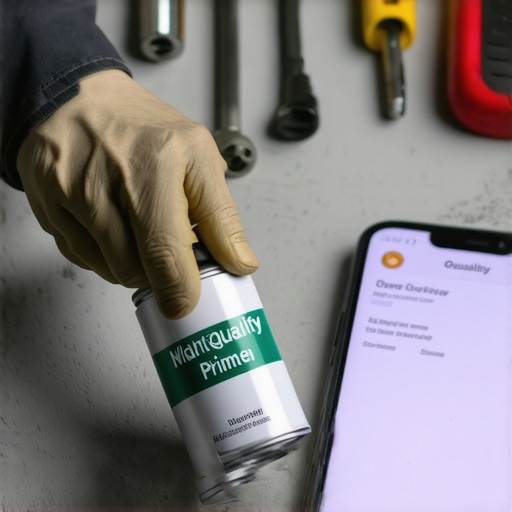
You can tell a lot about a tech by the way they prep the opening. A master glazier knows that the preparation takes twice as long as the actual setting of the glass. First, look for the ‘dauber.’ This is the small cotton swab used to apply the black primer. If you don’t see a black, liquid substance being applied to the scratches on the metal frame before the urethane goes down, your tech is failing you. Second, check for the use of a ‘shim’ or ‘spacer blocks’ if they are working on a stationary glass unit. This ensures the glass is centered in the rough opening, allowing for an even bead of sealant around the perimeter. In mobile service, the ‘same-day’ promise often leads techs to skip the cure-time checks. They want to get to the next job, but the ‘Shingle Principle’ applies here too: water must always have a path to flow down and out. If the tech blocks the weep hole or fails to use a proper dam, water will pool on the interior sill, leading to mold and electronic failure.
Technical Trade Cant: Understanding the Lingo
If you want to sound like you know your stuff, ask your glass installer about the ‘Pinchweld’ and the ‘Frit.’ The frit is that black dotted pattern around the edge of your glass. It’s not just for decoration; it provides a textured surface for the urethane to grab onto. But even the best frit needs a primer to bridge the gap to the metal. An operable window or a mobile glass unit relies on the ‘glazing bead’ or the ‘urethane bead’ to maintain its position. If the tech doesn’t use a ‘primer pen’ or a ‘dauber’ to treat the metal after removing the old glass, they are leaving the door open for rust. I always look for a tech who cleans the ‘sash’ area thoroughly. If there is old dirt or grease in the track, the new seal won’t stand a chance. It’s like trying to tape a dusty box; it just won’t stick.
The Math of Failure
Many homeowners and car owners think they are saving money by choosing the cheapest mobile service. But the ROI of a bad glass job is negative. If a $200 windshield replacement leads to a $2,000 rust repair job three years later, you haven’t saved anything. A quality installer will talk about ‘Dew Point’ and ‘Substrate Temperature.’ They won’t apply primer if the metal is too cold or too wet because the chemical reaction won’t occur. This is the difference between a professional and a ‘caulk-and-walk’ amateur. The professional manages the rough opening as a system, ensuring that every layer—from the metal to the primer to the urethane to the glass—is chemically and mechanically compatible.
Conclusion: Demand the Dauber
When the mobile van pulls into your driveway, don’t just stay inside. Go out and watch the process. Is the tech cleaning the metal with an alcohol-based cleaner? Are they applying a black primer to every scratch? Are they ensuring the glass is properly centered with shims? If the answer is no, you are looking at a future leak. Water management is a science, not a hobby. Whether it is a historic wood sash or a modern laminate windshield, the principles are the same: clean, prime, and seal. Don’t buy the hype of a 15-minute install. Buy the expertise of a tech who knows that the primer is the only thing standing between your vehicle and the scrap yard.