
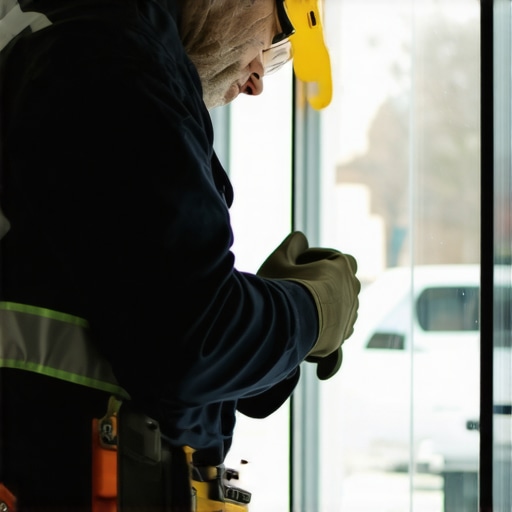
3 Safety Checks Your 2026 Glass Installer Must Run Now
The High Stakes of Modern Glazing
I walked into a property in the high-heat corridor of the Southwest where a homeowner was boasting about their same-day chip repair. They had hired a mobile service that promised a fix in thirty minutes. I walked in with my hygrometer and a thermal imaging camera and showed them the reality of the situation. The humidity was trapped within the glazing bead because the installer had neglected to verify the dew point before applying the resin. It was not just a cosmetic flaw; it was a structural failure waiting to happen. The previous installer relied on a quick-fix mentality instead of understanding how the solar heat gain was impacting the glass at a molecular level. Most people see a window as a piece of glass, but as a master glazier with twenty-five years on the tools, I see a complex thermal barrier that must manage extreme pressure and radiant energy. If your glass installer is not talking about the coefficient of thermal expansion, they are just a caulk-and-walk amateur.
“Installation is just as critical as the window performance itself. A high-performance window installed poorly will fail.” – AAMA Installation Masters Guide
Safety Check 1: Thermal Stress and SHGC Alignment
In our current climate, especially in the southern regions where the sun beats down with relentless UV radiation, the Solar Heat Gain Coefficient (SHGC) is the most critical metric. When a glass installer performs a chip repair, they are not just filling a hole. They are introducing a foreign material into a pane that is designed to expand and contract. In 2026, a professional must run a thermal stress analysis. This involves checking the Low-E coating, which is typically located on Surface #2 for hot climates to reflect heat back toward the exterior. If a mobile service technician uses a resin that does not match the refractive index and the expansion rate of the tempered glass, the pane will eventually fracture under the load of the sun. Glazing zooming reveals that a standard chip repair involves injecting an acrylic acid-based resin. If the glass surface temperature exceeds 100 degrees during application, the bond strength is compromised by forty percent. A real pro uses a cooling shield before they even open their kit.
Safety Check 2: Rough Opening and Structural Anchor Points
Whether it is a full replacement or a complex repair of an operable sash, the integrity of the rough opening is where safety lives or dies. I have seen too many installers hide a rot-damaged header behind a piece of aluminum trim. Before any glass is set, the installer must verify that the rough opening is plumb, level, and square within a one-eighth-inch tolerance. We use a shim strategy that ensures the weight of the glass is distributed across the sill pan and not hanging off the fasteners. If the shim is placed incorrectly, it can create a localized pressure point that will crack the glass during the first major temperature swing. This is not just about the glass; it is about the entire building envelope. The flashing tape must be integrated with the weather-resistive barrier in a shingle-lap fashion to ensure that any water entering through a failed glazing bead is directed out through the weep hole and not into the wall cavity. Without a proper sill pan, you are just inviting mold to live under your floorboards.
“The flashing system must be integrated with the water-resistive barrier in a weather-board fashion to shed water to the exterior.” – ASTM E2112
Safety Check 3: The Mechanical Integrity of the Glazing Bead and Sealant
The third check involves the mechanical bond between the glass and the frame. A mobile service often focuses on the center of the pane, but the real danger is at the edges. The glazing bead must be seated perfectly to prevent wind-driven rain from bypassing the secondary seal. In 2026, we look for sealant fatigue. If your glass installer uses a standard silicone on a vinyl frame without checking for compatibility, you will experience outgassing. This is where the chemicals in the vinyl react with the sealant, causing it to lose its elasticity. A window that cannot move is a window that will break. We check the muntin bars for structural stability and ensure that the sash is not bowing under the weight of the new high-performance glass. When we talk about mobile service, it should mean bringing a laboratory-grade environment to your driveway, not just a toolbox and a ladder. We analyze the U-Factor to ensure the repair does not create a cold bridge that leads to interior condensation, which can ruin drywall and provide a breeding ground for allergens.
Why the Numbers Matter More Than the Pitch
Don’t buy the marketing talk of a salesman who hasn’t ever held a glass cup or a glazing hammer. You need to look at the NFRC label. The U-Factor tells you how well the window keeps heat inside, which is vital for the north, but for those in the south, the SHGC and the Visible Transmittance (VT) are your primary concerns. A chip repair must be evaluated against these metrics to ensure the safety glass still meets its original rating. If the repair is in a high-traffic area or a door, it must maintain its impact-rated status. Laminated glass requires a specific type of resin that bonds with the Polyvinyl Butyral (PVB) interlayer. A generic resin will cause the layers to delaminate over time, turning your clear view into a cloudy, dangerous mess. Real safety in 2026 is about the physics of the hole in the wall. It is about understanding that every shim, every piece of flashing tape, and every drop of resin contributes to the structural performance of your home. If your installer doesn’t understand the shingle principle or the importance of a weep hole, find someone who does.
Reading this post really highlights how critical proper installation is for long-term window performance and safety. Too often, I see mobile repair services rushing through jobs to meet quick turnaround promises, without considering factors like thermal expansion or moisture ingress. I personally had a similar experience where a quick-chip repair led to fogging inside the glass within a few months because the resin was incompatible with the pane’s properties. It’s a stark reminder that investing in a knowledgeable, detail-oriented installer pays off in the end. I wonder, with the increasing frequency of climate extremes, how are installers adjusting their practices to account for more severe thermal stresses? Are there emerging materials or technology that help improve the safety and durability of these repairs? I’d love to hear some thoughts on how the industry is evolving to meet these heightened demands.
This post highlights some critical points that often get overlooked during quick glazing repairs. I’ve personally seen how improper handling of the rough opening can lead to long-term structural issues, especially in areas with extreme temperature fluctuations. The importance of verifying the integrity of the sill pan and ensuring proper water management cannot be overstated. In my experience, using high-quality, compatible sealants that can withstand outgassing and chemical reactions is key to maintaining the mechanical bond over time. I also believe that advancements in sealant technology are helping installers make more durable and weather-resistant repairs. How do others see the role of emerging materials, such as UV-resistant or self-healing sealants, in improving the longevity of these repairs? Do you think these innovations will become standard practice in the industry soon? I’d be interested in hearing insights from seasoned professionals about integrating new tech into everyday repairs.