Why your phone’s face detection fails when the glass is smudged
The Physics of Refraction: When Smudges Become Barriers
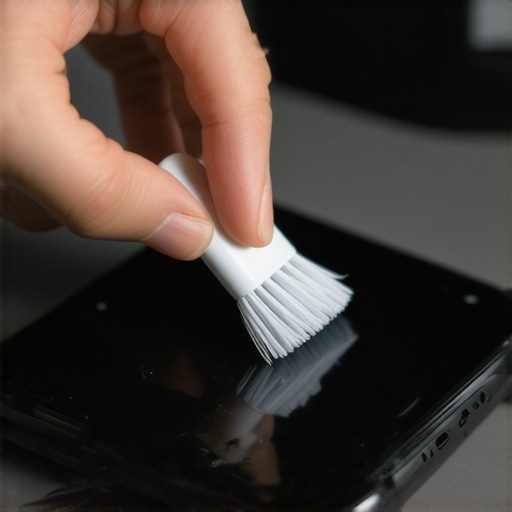
When your smartphone’s face detection fails due to a smudge, you are witnessing a micro-scale version of the same optical interference that plagues high-performance architectural glass. As a master glazier with a quarter-century in the field, I look at that oily thumbprint and see more than just dirt; I see a disruption of the refractive index. Your phone uses infrared sensors to project thousands of dots onto your face. When those beams hit a layer of skin oil, they don’t pass through cleanly. Instead, they scatter. This is the same principle we manage when we discuss Visible Transmittance (VT) in residential windows. If the surface of the glass is compromised—whether by a chip requiring immediate chip repair or a layer of environmental pollutants—the performance of the glazing system drops off a cliff.
The Condensation Crisis: A Master Glazier’s Diagnostic Tale
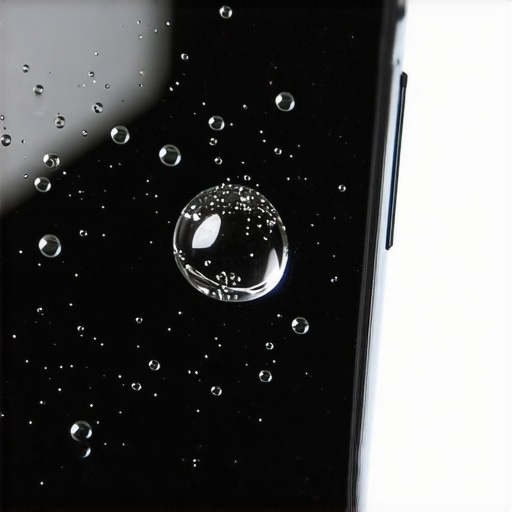
A homeowner once called me in a panic because their brand-new, high-efficiency windows were ‘sweating’ so badly they couldn’t see out of them. They were convinced the glass installer had sold them a batch of ‘leakers’ with failed seals. I arrived at the house with my hygrometer in hand. Within five minutes, I showed them that the internal humidity was hovering at 60%. It wasn’t a failure of the windows; it was their lifestyle choices—boiling pasta without a vent fan and a dozen tropical plants in the breakfast nook. The windows were doing exactly what they were designed to do: provide a thermal break. But because the glass was the coldest surface in the room, the moisture in the air was hitting its dew point right on the glass surface. This story highlights a fundamental truth in the glazing industry: the glass is an indicator of the building’s health, not just a transparent barrier.
“Installation is just as critical as the window performance itself. A high-performance window installed poorly will fail.” – AAMA Installation Masters Guide
The Glass Class: Decoding Performance Metrics
To understand why your glass performs the way it does, we have to look at the NFRC (National Fenestration Rating Council) labels. We aren’t just looking for a clear view; we are looking for managed light. In a cold northern climate, the U-Factor is our primary metric. This measures the rate of non-solar heat loss. You want this number as low as possible. In these zones, we focus on the Low-E coating on Surface #3. This allows the sun’s short-wave infrared radiation to enter the home, warming the interior, while the coating reflects the long-wave heat generated inside back into the room. It’s a thermal trap that keeps your furnace from working overtime. However, if the glass has a structural flaw, even a tiny stone strike, you need same-day mobile service to ensure the integrity of the vacuum or gas fill between the panes isn’t compromised.
The Anatomy of a Window: Beyond the Glass
A window is a complex assembly of parts that must work in harmony. The Rough Opening is the starting point. If the opening isn’t square, the installer must use a Shim to level the frame. If this isn’t done with precision, the Sash will bind, and the weatherstripping won’t compress evenly, leading to air infiltration. Then we have the Glazing Bead, which holds the glass in place within the frame. In high-wind areas, this bead must be robust enough to handle positive and negative pressure loads. We also have to consider the Sill Pan and Flashing Tape. These are the unsung heroes of water management. A window is essentially a hole in your weather barrier; if the flashing isn’t integrated into the house wrap using the ‘shingle principle,’ water will eventually find its way into your wall cavity, leading to the kind of rot that destroys headers and jack studs.
“Standard practice for installation requires that all fenestration products be integrated into the water-resistive barrier in a manner that prevents water penetration into the wall cavity.” – ASTM E2112
Why Surface Integrity Matters for Biometrics and Buildings
Returning to our smartphone analogy, the reason a smudge ruins face detection is that it changes the surface energy of the glass. In the automotive and residential worlds, a chip in your glass does more than look bad; it creates a stress concentration point. Glass is incredibly strong in compression but weak in tension. A small chip is a fracture waiting to happen when the temperature shifts. This is why mobile service for chip repair is not just a convenience—it’s a structural necessity. The resin used in professional repairs has a refractive index that matches the glass, effectively ‘erasing’ the damage and restoring the optical path. Whether it’s a sensor trying to read your face or a homeowner trying to enjoy a sunset, the clarity of the glazing is paramount. We use Weep Holes in the frame to ensure that any moisture that bypasses the primary seals can escape, preventing the Operable parts of the window from corroding or freezing shut.
Thermal Breaks and Material Science
In modern glazing, especially in mobile service contexts where we are replacing units on-site, we have to talk about the frame material. Vinyl is a popular choice because it is affordable and offers decent thermal performance, but it has a high coefficient of thermal expansion. It moves. A lot. Fiberglass, on the other hand, is nearly identical to glass in its expansion rate, making for a much more stable seal. If you are in a climate with extreme temperature swings, the stability of the frame determines how long your Insulated Glass Unit (IGU) will last before the seal fails. When a seal fails, the Argon or Krypton gas escapes, and moisture-laden air enters, leading to that permanent fogging that no amount of cleaning can fix. At that point, your only option is a full IGU replacement from a qualified glass installer.
The Glazing Authority’s Conclusion
Glazing is a balance of physics, chemistry, and mechanical engineering. From the oleophobic coatings on your phone that try to repel those face-detection-failing smudges to the multi-layered Low-E coatings on your living room windows, we are constantly fighting to control light and heat. Don’t settle for ‘caulk-and-walk’ contractors. Demand precision in your Rough Opening prep, insist on high-quality Flashing Tape, and never ignore a chip that needs chip repair. Your windows are the eyes of your home; keep them clear, keep them sealed, and respect the science behind the glass.
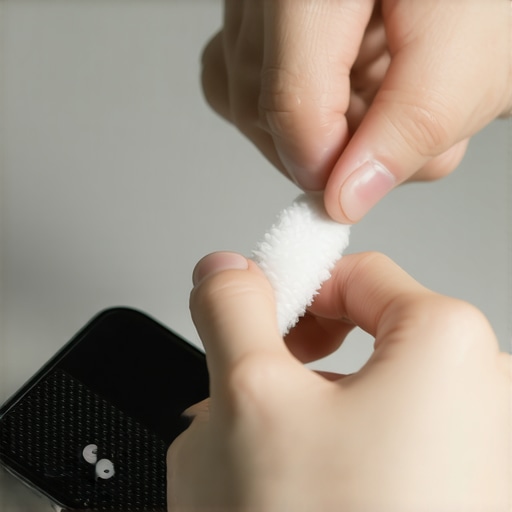
{“@context”:”https://schema.org”,”@type”:”HowTo”,”name”:”How to Maintain Glass Optical Integrity”,”step”:[{“@type”:”HowToStep”,”text”:”Identify surface contaminants or physical damage such as chips or scratches.”},{“@type”:”HowToStep”,”text”:”For minor smudges on biometric sensors, use a microfiber cloth to restore the refractive index.”},{“@type”:”HowToStep”,”text”:”For architectural or automotive glass chips, call a mobile service for professional resin injection to prevent crack propagation.”},{“@type”:”HowToStep”,”text”:”Monitor interior humidity levels to prevent surface condensation from mimicking seal failure.”}]}