The specific sound of a windshield seal that was not set correctly
There is a specific, high-frequency harmonic vibration that only a master glass installer can truly identify. It is not the deep rumble of road noise or the mechanical rattle of a loose cowl. It is a high-pitched, reed-like whistle that begins precisely at 45 miles per hour and intensifies as the aerodynamic pressure builds against the front of the vehicle. This sound is the audible signature of a failure in the structural bond. When you hear that whistle, you are not just hearing air; you are hearing the sound of a windshield seal that was not set correctly, likely due to a rushed mobile service or a technician who ignored the critical physics of the pinchweld.
“Installation is just as critical as the window performance itself. A high-performance window installed poorly will fail.” – AAMA Installation Masters Guide
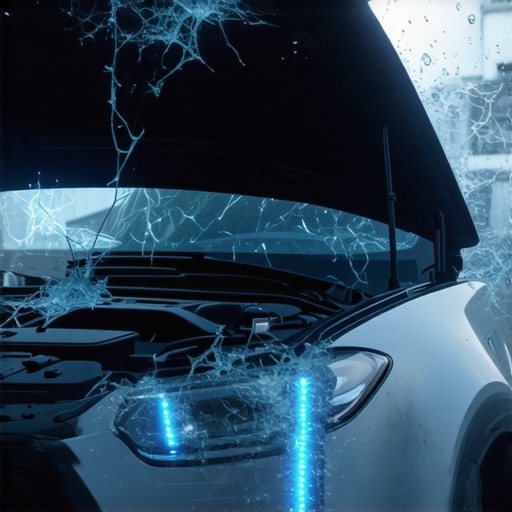
I pulled a windshield out of a late-model SUV last week in a sweltering parking lot where the owner complained of a ‘hissing’ sound during rainstorms. When I removed the side moldings, the horror story was revealed: the previous installer had relied on a ‘thick bead’ of urethane to bridge a gap instead of ensuring the glass was properly seated on the setting blocks. The header was already showing signs of early oxidation because the moisture had been trapped against the bare metal. This is what happens when ‘same-day’ speed is prioritized over the chemical reality of a proper cure. A windshield in a modern car is not just a piece of glass; it is a structural component that provides up to 60 percent of the roof’s strength in a rollover accident. If that seal is whistling, the structural integrity of the vehicle is compromised.
The Physics of the Whistle: Why Seals Fail
To understand the sound, you must understand the fluid dynamics of a moving vehicle. As your car cuts through the air, it creates a zone of high pressure at the base of the windshield and a zone of low pressure as the air whips over the roof. If there is even a microscopic void in the urethane bead—the width of a human hair is enough—the pressure differential will force air through that gap. This is the ‘Bernoulli Effect’ in action. The gap acts like the reed in a woodwind instrument, vibrating at a frequency determined by the speed of the air and the size of the orifice. A master glass installer knows that achieving a ‘seamless’ bond (strictly in the context of the urethane bead continuity) is the only way to prevent this acoustic failure.
In hot climates, the challenge for a glass installer is even more pronounced. We deal with high Solar Heat Gain Coefficients (SHGC) that can turn a dashboard into a radiator, reaching temperatures over 180 degrees Fahrenheit. This extreme heat affects the viscosity of the polyurethane during the installation process. If the technician does not use a high-modulus urethane designed for high-temperature environments, the bead can ‘slump’ before it skins over. This slumping creates the very gaps that lead to the dreaded whistle. When performing a chip repair or a full replacement via mobile service, the ambient temperature must be accounted for in the safe drive-away time calculation. You cannot treat a July afternoon in Texas the same way you treat a brisk morning in Seattle.
The Anatomy of the Pinchweld and Proper Adhesion
The ‘Rough Opening’ of a car—the pinchweld—is where the battle against the elements is won or lost. It is the metal flange that the glass sits upon. A proper glass installer will treat this area with surgical precision. First, the old urethane must be trimmed down to a thin, level base (the ‘short-cut’ method) to ensure the new bond has a consistent foundation. If the pinchweld is scratched during the removal of the old glass, it must be treated with a zinc-rich primer immediately. Failure to do so leads to sub-surface corrosion, which eventually lifts the urethane bead, causing leaks and that telltale wind noise.
We use ‘shims’ or setting blocks to ensure the glass is centered in the opening. If the glass sits too low, it can vibrate against the metal cowl; if it sits too high, the moldings will not seat correctly, creating aerodynamic turbulence. The ‘Sash’—or in the case of auto glass, the perimeter molding—must be perfectly flush. Even a minor deviation in the height of the glass can cause the air to ‘trip’ over the edge, creating a low-frequency buffeting sound that is often mistaken for a bad door seal.
“Proper adhesion is the cornerstone of structural integrity in modern fenestration and glazing systems.” – ASTM E2112
The Mobile Service Challenge: Dust, Wind, and Urethane
Many customers request a mobile service for the convenience of same-day chip repair or replacement. While a mobile glass installer can provide a factory-quality seal, the environment must be controlled. If the wind is gusting, it can blow dust and contaminants onto the fresh primer. In the world of molecular bonding, a single speck of dust is a mountain that prevents the urethane from grabbing the glass. A professional will use a ‘windshield prep’ solution to chemically strip the factory ‘molding release’ oils from the new glass. If you see an installer pull glass out of a rack and slap it straight onto the car without cleaning Surface #1 and Surface #2 with a betadine or silane-based cleaner, you are looking at a future leak.
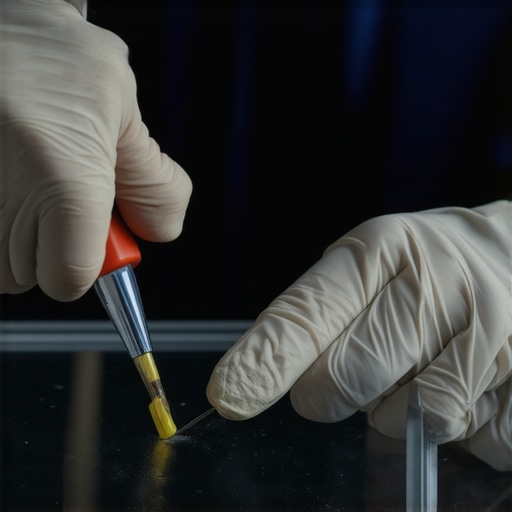
Chip repair is another area where precision is non-negotiable. A rock chip is a localized failure of the laminate. When we perform a chip repair, we are injecting a clear, UV-curable resin into the ‘break.’ The goal is to displace the air and bond the two layers of glass back to the PVB (Polyvinyl Butyral) interlayer. If air is left in the break, it remains a weak point. Under thermal stress—like when you turn on the defroster on a freezing morning—that trapped air expands at a different rate than the glass, causing the chip to ‘run’ and turn into a full-blown crack. This is the ‘Dew Point’ of auto glass maintenance; managing the moisture and temperature within the glass layers is essential for a permanent fix.
The Long-Term Consequences of a Bad Seal
The whistle is the first warning. If ignored, the next symptom is water intrusion. Modern cars have complex electronic modules tucked under the dashboard and beneath the carpets. A small leak in the upper corner of a windshield seal can allow water to track down the A-pillar and drip directly into the fuse box or the ECU. I have seen cars totaled by insurance companies not because of a crash, but because a $200 windshield installation was done so poorly that it fried the entire wiring harness. This is why the ‘Shingle Principle’ applies even to cars: water must always be directed down and out, away from sensitive components. The cowl of your car has ‘weep holes’ designed to drain water, but if the windshield urethane is blocking those channels or if the seal is breached, the water will find the path of least resistance—which is usually your passenger-side floorboard.
When you choose a glass installer, you are not just buying glass; you are buying a technical seal. You are buying the assurance that when you hit a pothole, the glass will not shift because the urethane has a high shear modulus. You are buying the peace of mind that in a collision, the passenger airbag—which deploys against the windshield at 200 miles per hour—will have a solid surface to bounce off of instead of blowing the glass out into the street. Do not be seduced by the lowest price or the fastest ‘in-and-out’ service. The specific sound of a windshield whistle is the sound of a job that needs to be done twice.