The risk of a tiny chip near the edge of your windshield
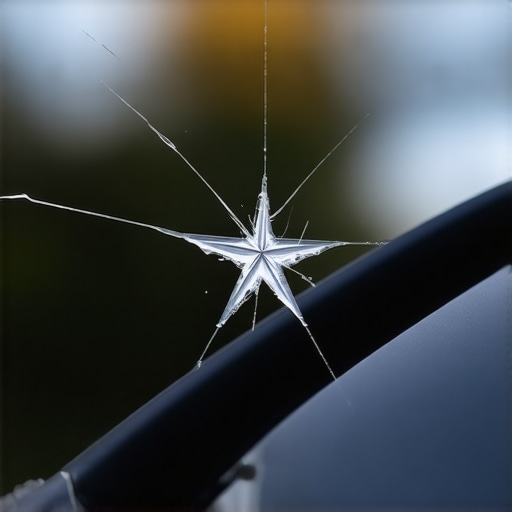
When most drivers see a small pit in their glass, they think of it as a cosmetic nuisance. However, as a master glazier with over 25 years in the trade, I look at that pit and see a catastrophic failure waiting to happen. The physics of glass do not care about your schedule. Whether we are talking about a massive storefront window or the laminated safety glass in your vehicle, the principles of structural tension remain identical. A chip located near the perimeter of your windshield is a high-stakes emergency because of the specific way modern glass is bonded to its frame.
The Anatomy of the Perimeter Stress Zone
The edge of your windshield is under significantly more tension than the center. This is due to the ceramic frit, the black painted border that circles the glass. The frit serves a dual purpose: it protects the structural urethane adhesive from ultraviolet degradation and provides a rough surface for the bond to grip. However, because this area is black, it absorbs solar radiation at a much higher rate than the clear portions of the glass. In a cold climate like Chicago or Minneapolis, this creates a massive thermal gradient. While the center of the glass might be freezing, the frit area heats up rapidly when the sun hits it or when you blast the defroster. This expansion and contraction cycle puts the edge of the glass in a state of constant flux. A chip in this region acts as a stress concentrator, providing a path for a crack to migrate instantly through the entire laminate.
“Installation is just as critical as the window performance itself. A high-performance window installed poorly will fail.” – AAMA Installation Masters Guide
I recall a specific instance where I pulled a windshield out of a late-model sedan because of a whistle the owner heard at high speeds. I found that the previous glass installer had relied on the nailing fin of their own ego rather than following proper protocol. They had scratched the pinchweld with a cold knife and failed to apply the necessary primer. The resulting oxidation had created a layer of rust that was literally pushing the glass away from the frame. This is the same logic that applies to a tiny chip. If moisture enters that chip and reaches the Polyvinyl Butyral (PVB) interlayer, it can cause delamination. In a cold environment, that trapped moisture freezes, expands by 9 percent, and exerts internal pressure that no glass can withstand.
The Thermal Logic of Glass Failure
In northern climates, the U-Factor of your glass is paramount, even in your vehicle. When you have a temperature of zero degrees Fahrenheit outside and you crank your heater to seventy-five degrees, you are creating a thermal shock scenario. The interior surface of the glass wants to expand while the exterior surface is being forced to contract by the ambient air. This is why a same-day chip repair is not a luxury; it is a mechanical necessity. If you wait, the dew point within the chip will shift, leading to condensation inside the laminate. Once moisture is trapped between the layers of glass and the PVB, the structural integrity is compromised, and the glass will likely cloud or “bloom” before it eventually shears.
Why Mobile Service Must Meet Shop Standards
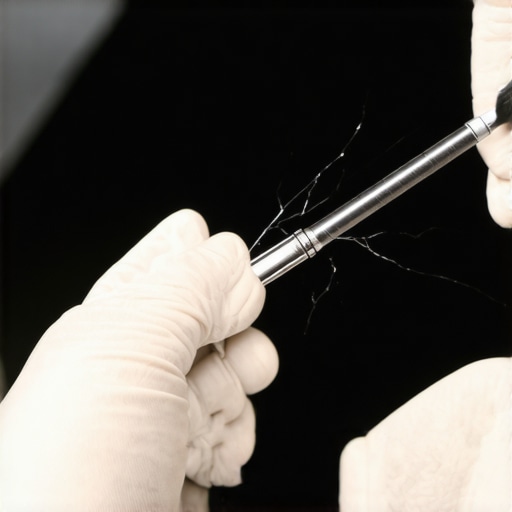
Many people opt for a mobile service for convenience, but as a professional, I demand that these technicians follow the same rigors as a shop-based glass installer. The environment must be controlled. If a technician attempts a chip repair in the direct sun, the glass temperature can exceed 150 degrees, causing the resin to cure too quickly and fail to bond with the jagged edges of the fracture. The resin must be injected into the break using a bridge and injector tool that creates a vacuum to suck the air out of the break before the resin is introduced. This is not “caulk-and-walk” work; it is precision engineering. We are looking for a structural bond that restores the ability of the glass to handle the load of the vehicle’s roof in the event of a rollover.
“The structural integrity of a vehicle’s roof crush resistance is heavily dependent on the proper bonding of the glass to the frame.” – ASTM E2112 Standard Practice
The Physics of the Repair
During a chip repair, we are essentially performing a miniature version of a full glazing replacement. We must ensure the rough opening of the chip is clean of debris. We use a specialized drill to create a clean entry point if the impact is too small for the resin to flow. Then, the resin is cured using a specific wavelength of ultraviolet light. This process turns the liquid plastic into a solid that has a similar refractive index to the glass itself. If done correctly, the repair should be nearly invisible and, more importantly, should arrest the crack from spreading into the “sash” or the bonded edge of the frame. In my years of experience, I have seen thousands of dollars in replacement costs saved by a simple twenty-minute repair, provided the technician understood the difference between a surface pit and a structural star-break.
The Myth of the Quick Fix
I have seen homeowners try to use DIY kits from big-box stores, and it is a recipe for disaster. These kits often lack the vacuum pressure needed to remove air from the break. If you leave air inside the chip and then seal it with resin, that air will expand the first time the car sits in the sun, blowing the repair out and cracking the glass. It is a fundamental misunderstanding of glass science. Professional chip repair involves managing the internal stresses of the laminate. We are not just filling a hole; we are restoring a structural component that is responsible for up to 30 percent of your vehicle’s cabin strength. When you hire a professional glass installer, you are paying for their knowledge of those stresses, their understanding of the weep hole mechanics in the frame, and their ability to ensure the glass is seated perfectly within the pinchweld. Do not settle for anything less than a same-day service that treats your windshield like the critical safety barrier it is.