Why we don’t use metal scrapers on your phone’s frame
In the world of high stakes glass installation, whether it is a forty story curtain wall or the five inch display in your pocket, the tools we use define the longevity of the seal. As a master glazier with over twenty five years in the field, I have seen the damage caused by the ‘caulk and walk’ crowd who think a sharp blade is a universal solution. When you call a mobile service for a same-day chip repair or a full glass installer replacement, you are not just paying for the new component. You are paying for the architectural integrity of the bond between the glass and the frame. Using a metal scraper on a modern phone frame is the equivalent of using a crowbar to seat a delicate muntin. It is a fundamental violation of material science.
“Installation is just as critical as the window performance itself. A high-performance window installed poorly will fail.” – AAMA Installation Masters Guide
A few years back, I dealt with a situation that perfectly illustrates why surface chemistry matters. A homeowner called me in a panic because their new windows were ‘sweating’ and the glass was fogging internally. I walked in with my hygrometer and showed them the humidity was 60 percent. It wasn’t the windows; it was their lifestyle and a total lack of understanding of the dew point. However, upon closer inspection, I found the installer had used metal scrapers to clean the rough opening. They had gouged the frame, creating microscopic channels where moisture could bypass the primary sealant. This is exactly what happens when a technician takes a metal blade to your phone’s frame. You might get the glass off faster, but you have fundamentally compromised the rough opening of the device.
The Physics of Surface Tension and Micro-Fractures
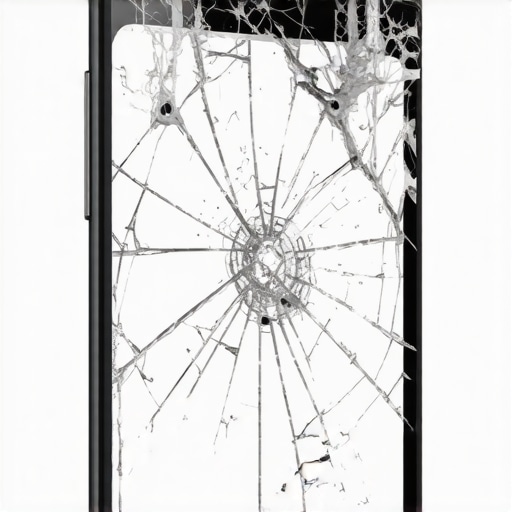
When we talk about chip repair or glass replacement, we are dealing with the Coefficient of Thermal Expansion. Different materials expand and contract at different rates. If a glass installer uses a metal scraper, they create ‘stress risers.’ These are tiny nicks in the frame material. On an anodized aluminum phone frame, these nicks strip away the protective oxide layer. When the sun hits your phone, the glass expands. If the frame has been compromised by a metal tool, that expansion is no longer uniform. This leads to the very cracks that brought you to a mobile service in the first place.
We focus on the Glazing Bead and the Sill Pan logic even in mobile devices. The glazing bead is the adhesive that holds the glass to the frame. For a proper bond, the surface must be ‘optically clean’ and physically smooth. Metal scrapers leave behind traces of steel or iron, leading to galvanic corrosion when moisture hits the frame. Instead, we use high density polymers or specialized heat induction to release the bond. This ensures the frame remains pristine, allowing the new adhesive to wet out properly across the entire surface area. If the frame is gouged, the adhesive cannot fill those voids, creating a path for air and water. This is why some same-day repairs fail within a week: the installer sacrificed the frame for the sake of speed.
“The primary goal of any glazing system is to maintain a continuous seal against the elements, preventing the migration of water and air into the structural cavity.” – ASTM E2112 Standard Practice
Why Thermal Breaks and Solar Heat Gain Matter
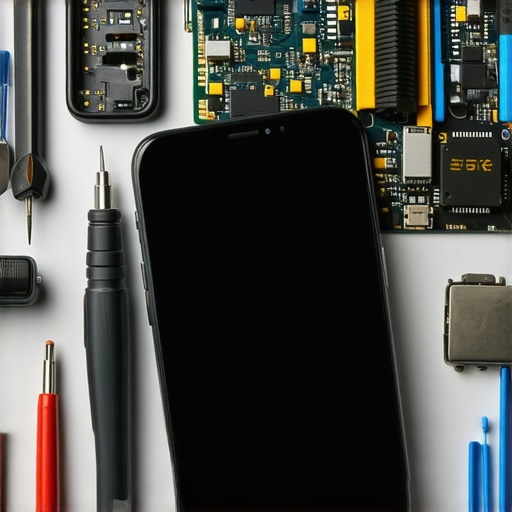
In our climate, we have to worry about Solar Heat Gain (SHGC). A phone left on a car dashboard experiences extreme thermal loading. As a glazier, I treat the phone frame as a thermally broken aluminum frame. These frames are designed to resist the transfer of heat. When a technician uses metal tools, they risk bridging the internal components with the external shell. We use non-conductive shims and specialized plastic pry tools to ensure that we are not creating a thermal bridge that could lead to battery degradation or screen discoloration. The goal of a professional mobile service is to mirror the factory U-Factor as closely as possible.
The Sash of your phone, which is the moving part or the interface between the glass and the internal electronics, relies on a perfect Rough Opening. If I am performing a chip repair, I am looking at the depth of the impact. If the crack has reached the frame, and that frame has been previously scraped with metal, the structural integrity of the glass is gone. We use Flashing Tape principles in our sealing process, ensuring that the adhesive overlaps in a way that sheds moisture away from the sensitive internal components. We even check the Weep Hole equivalents, the small microphone and speaker ports, to ensure they aren’t blocked by excess sealant during the same-day service. Precision is the difference between a repair that lasts years and one that fails during the next temperature swing. It is about understanding the Muntin logic: every piece of the grid must support the whole. When you choose a glass installer, ask about their tool kit. If you see a metal razor being used on your frame, you are looking at an amateur who is about to turn your precision device into a leaking, drafty mess.