The simple way to verify your phone’s water seal
I have spent over 25 years as a master glazier, managing everything from 40-story structural silicone curtain walls to the delicate restoration of historic wood sashes. To me, a window is never just a piece of glass; it is a complex thermal barrier designed to manage the constant battle between internal and external environments. When we look at a modern smartphone, we are looking at a micro-scale architectural glazing system. It has a frame, a glazing bead consisting of high-bond adhesive, and a substrate that must withstand significant pressure. A homeowner once called me in a panic because their mobile device was ‘sweating’ from the inside of the camera lens. I walked in with my hygrometer and found the room at 60 percent humidity. I had to explain that it was not just the device at fault; it was their lifestyle choices creating a dew point nightmare. They had taken the device into a steam-filled bathroom, and as the internal air cooled, it created a vacuum that sucked in moisture through a microscopic compromise in the perimeter seal. This is the same condensation crisis we see in failing dual-pane windows where the desiccant is saturated and the primary seal has breached.
“Installation is just as critical as the window performance itself. A high-performance window installed poorly will fail.” – AAMA Installation Masters Guide
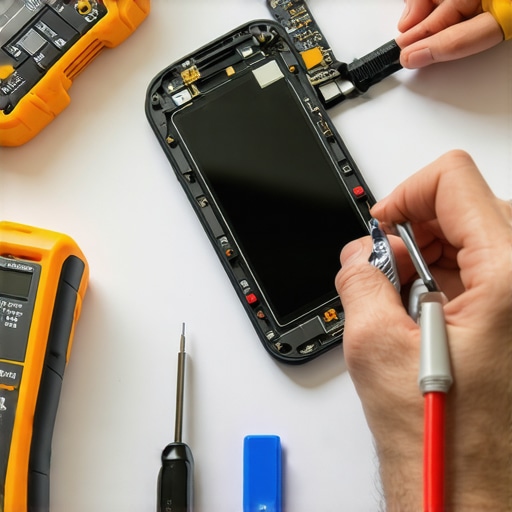
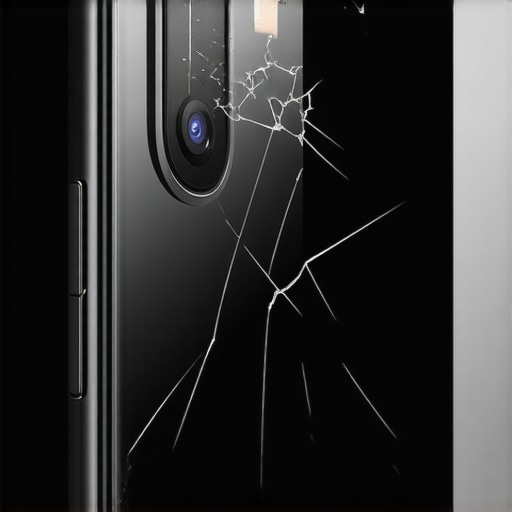
In the world of mobile service glass installer work, we often treat a phone like a miniature rough opening. The display assembly is the sash, and the adhesive tape acts as the flashing tape and glazing bead combined. If you are in a hot climate like Texas or Florida, your device faces the same enemy as a south-facing storefront: Solar Heat Gain. High temperatures cause the aluminum or steel frame to expand at a different rate than the aluminosilicate glass. This coefficient of thermal expansion mismatch puts immense stress on the water seal. When the adhesive softens in the heat, the internal pressure can push the air out, and when it cools, it pulls moisture-laden air in. This is why a same-day chip repair is vital. A chip is not just an aesthetic flaw; it is a structural fracture that breaks the surface tension of the glass, providing a path for liquid ingress that bypasses the perimeter seal entirely.
The Barometer Test: A Professional Glazier’s Method
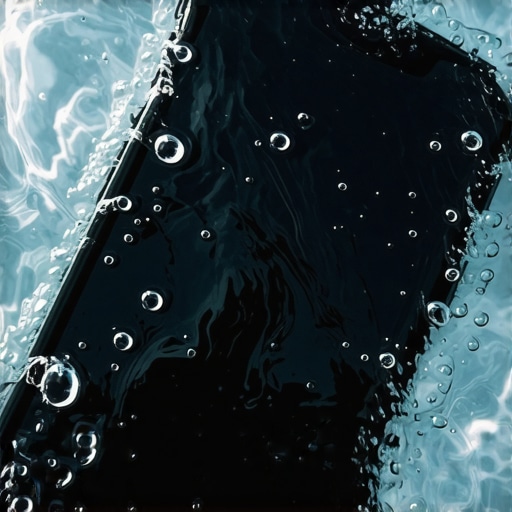
You do not need a laboratory to verify if your device still holds its factory-specified water resistance. Most modern devices contain an internal barometer to assist with GPS and altitude tracking. Because the device is designed to be a sealed unit, you can use this sensor to check the integrity of the seals. By using a barometer app, you can monitor the internal pressure in hectopascals (hPa). If you apply firm but gentle pressure to the center of the screen (the glass substrate), you should see a momentary spike in the pressure reading followed by a quick return to baseline. If the pressure spikes and stays elevated, or if it does not spike at all, your ‘glazing bead’ or adhesive seal has failed. A failed seal means the device is no longer an airtight environment, rendering it vulnerable to the same rot and corrosion we see when a sill pan is missing from a window installation.
“Water penetration through a defect in the glass or frame is not merely a nuisance but a structural failure of the assembly.” – ASTM E2112 Standard
The Science of Chip Repair and Surface Tension
When I perform a chip repair, whether on a windshield or a high-end mobile device, I am looking at the refractive index of the resin. For a same-day service, we use a low-viscosity UV-curable resin that mimics the optical properties of the glass. The goal is to fill the void completely to prevent capillary action. Capillary action is the same force that pulls water up behind a poorly installed muntin or through a failed weep hole. In a phone, if a chip is left untreated, it acts as a stress riser. Under thermal load, that chip can transition into a full-length crack, much like a nick in a tempered glass panel can cause the entire sheet to evacuate the frame. Our mobile service technicians ensure that the resin bonds at a molecular level, restoring the structural integrity needed to maintain the pressure seal.
Understanding the Climate Context: Why Heat Kills Seals
In hot environments, we focus on the Solar Heat Gain Coefficient (SHGC) of our glass. While phones do not have Low-E coatings on Surface 2 to reflect long-wave infrared radiation back to the sun, they do rely on the physical integrity of their coatings to manage heat. Excessive heat degrades the polymer chains in the adhesives used to create the water seal. Once these polymers break down, the seal becomes brittle, much like old caulk on a 1970s single-pane sash. This is why a device that was waterproof in the showroom may fail after six months of being left on a dashboard in the sun. The expansion of the internal battery and the frame creates a ‘bellows effect’ that eventually fatigues the adhesive bond. If you see even a tiny gap between the glass and the frame, the ‘rough opening’ of your device is exposed, and the water seal is compromised.
Final Professional Assessment
Do not trust a ‘tin man’ salesman telling you that a cracked screen is still waterproof. If the glass is broken, the system is broken. Just as we would never install a window without proper shims and a leveled sill, you should not rely on a damaged device to withstand water exposure. The simple barometer test is your first line of defense, but the real solution is maintaining the physical integrity of the glass. If you have a chip, get a professional glass installer to handle it immediately. A same-day repair can be the difference between a functional device and a paperweight. Remember, water management is a science, and in the world of glazing, whether large or small, the shingle principle always applies: keep the water on the outside of the glass. Check your weep holes (or in the case of a phone, your port seals), ensure your sashes are tight, and never ignore a fracture in your primary barrier.