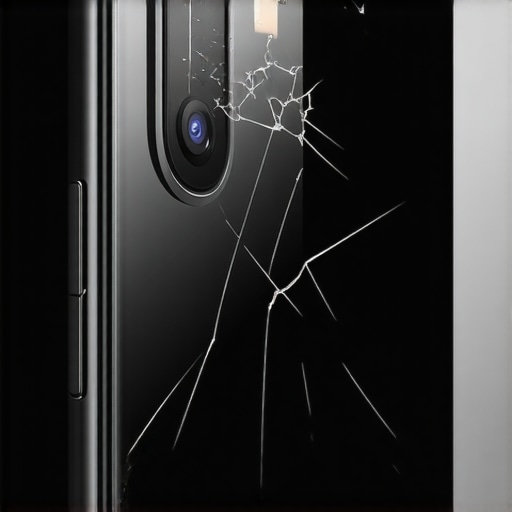
The hidden danger of a cracked rear camera lens on your flagship phone
As a Master Glazier with a quarter-century in the trade, I have spent decades looking at how light and moisture interact with glass. Whether it is a twenty-foot curtain wall on a skyscraper or the millimeter-thick sapphire lens on your flagship smartphone, the physics of glazing remain constant. A window is essentially a controlled hole in a structure, and when that structure is your primary communication device, any breach in the glazing is a catastrophic failure waiting to happen. People often treat a small chip in their phone camera as a cosmetic nuisance, but from the perspective of an installation specialist, that crack is a failed seal that invites the enemy of all precision optics: atmospheric incursion.
The Sensor Rot: A Glazing Reality Check
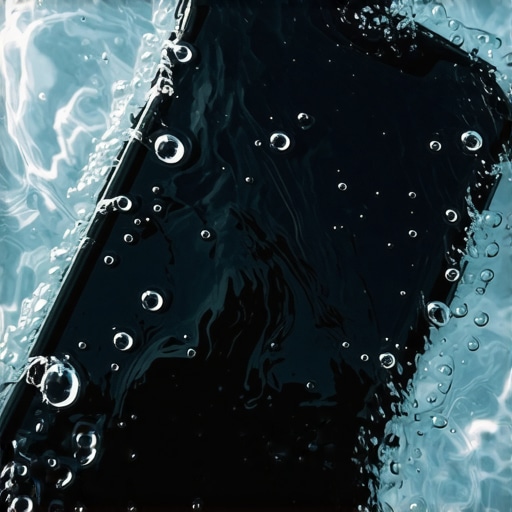
I recently pulled a sapphire lens cover off a high-end flagship device for a client, and the internal housing was already exhibiting what we call ‘black rot’ in the window trade. In the context of a phone, this is severe electrochemical migration on the CMOS sensor. Why? Because the previous glass installer had relied on a generic liquid adhesive instead of a perimeter-bonded gasket system designed to manage vapor drive. The owner thought the chip was purely cosmetic, yet the internal climate of the phone had already been compromised. When you have a fracture, you lose the integrity of the Rough Opening, which is the precision-milled seat where that lens resides. Without a perfect seal, every time you move from an air-conditioned room into the humid outdoors, your phone ‘breathes’ in moisture-laden air through that fracture.
“Installation is just as critical as the window performance itself. A high-performance window installed poorly will fail.” – AAMA Installation Masters Guide
The Physics of Optical Atmospheric Ingress
To understand the danger, we must look at the Dew Point. When moisture enters the lens cavity through a chip, it remains trapped. As the phone processor heats up during use, it creates a micro-climate inside the camera module. When you then step into a cooler environment, that internal moisture reaches its dew point and condenses on the underside of the glass. This is not just ‘fog.’ It is a chemical cocktail of humidity and atmospheric pollutants that begins to etch the delicate Low-E equivalent coatings on the sensor-side of the glass. In the window world, we talk about surface #2 and surface #3 coatings. Your flagship phone uses similar anti-reflective layers. Once those are compromised by condensation, your high-resolution photos will forever suffer from ‘haze’ that no software can fix.
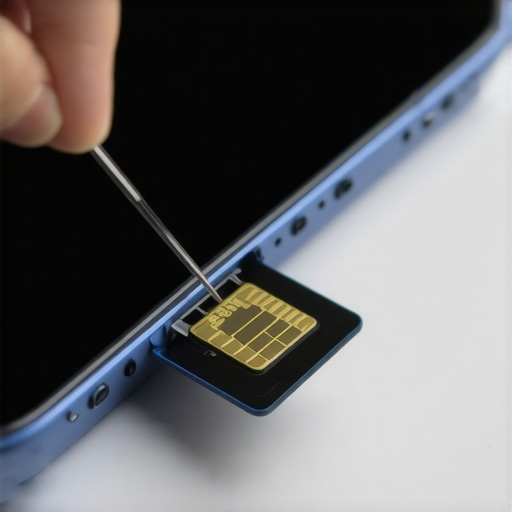
We have to talk about the Shingle Principle. In architectural glazing, we ensure every layer overlaps so that gravity moves water away from the Rough Opening. In a mobile device, the ‘shingle’ is the precision-fit Glazing Bead or adhesive ring that sits beneath the lens. When the glass is cracked, you have effectively bypassed the entire flashing system of the device. This is why professional chip repair and mobile service are not just about aesthetics; they are about restoring the environmental envelope of the device.
The Thermal Bridge and Solar Heat Gain
In hot climates like Texas or Florida, Solar Heat Gain (SHGC) is the primary enemy. Your camera lens is designed to handle specific thermal loads, but a crack acts as a thermal bridge. It allows localized heat to penetrate the lens assembly unevenly, which can cause further expansion and contraction of the Sash—the metal housing holding the glass in place. This cycling can lead to the ‘creeping’ of internal components. A professional glass installer understands that the replacement glass must match the original’s expansion coefficient. Using cheap, non-tempered replacement glass is like putting a single-pane piece of greenhouse glass into a high-performance thermally broken frame; it simply cannot handle the load.
“The primary goal of any glazing installation is to ensure that the interface between the fenestration and the rough opening remains a weather-tight barrier.” – ASTM E2112 Standard Practice
Why Same-Day Mobile Service is Critical
Waiting to fix a lens is a gamble with the life of your sensor. The moment a crack appears, the clock starts on internal oxidation. A mobile service that offers same-day glass replacement is providing more than convenience; they are providing a ‘Sill Pan’ for your data. They are sealing the breach before the ‘rot’ can set in. In my years of installation, I have seen how a simple Shim or a misaligned gasket can lead to a total system failure. The precision required for a phone lens is even higher than that of a structural window because the tolerances are measured in microns rather than fractions of an inch. Weep holes are essential in windows to let moisture out, but phones are sealed systems; they have no weep holes. This means once moisture is in, it stays in until the glass is properly replaced and the internal cavity is dehydrated.
The Myth of the Quick Fix
Do not be fooled by ‘caulk-and-walk’ installers who suggest a bit of resin is enough for a flagship lens. A true repair involves a full assessment of the glazing bead and ensuring the new glass is seated perfectly within the rough opening. If the alignment is off by even a hair, the light hitting the sensor will be refracted incorrectly, leading to chromatic aberration. You did not spend a thousand dollars on a phone to have it perform like a toy camera. When you choose a glass installer, you are choosing the person who maintains the structural integrity of your device’s most sensitive window. Demand the same precision you would for the windows in your own home. Ensure they are using high-quality materials that respect the SHGC and U-factor requirements of the device’s original design.