How a mobile technician works in a tiny office parking spot
The Urban Mobile Lab: Master Glazing in Five Square Feet
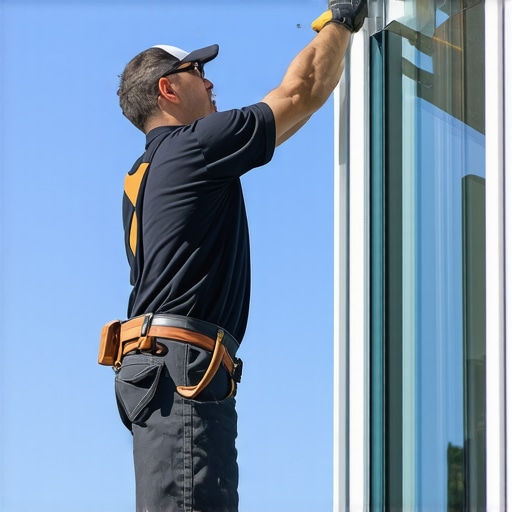
Working as a mobile glass installer in a cramped office parking spot is not about convenience; it is an exercise in surgical precision and thermal management. When a client requests a same-day chip repair, they see a technician with a van. What I see is a localized environment where variables like wind-load, ambient humidity, and the refractive index of the glass must be controlled within a tiny rough opening of space. Most ‘caulk-and-walk’ amateurs think you just drop resin into a hole and move on. They ignore the fact that glass is a dynamic material, constantly expanding and contracting. In a tight parking lot, you often lack the luxury of a controlled shop environment, which means the technician must bring the lab to the curb. We are managing the molecular integrity of a safety component while dodging delivery trucks and impatient commuters.
“Installation is just as critical as the window performance itself. A high-performance window installed poorly will fail.” – AAMA Installation Masters Guide
A homeowner called me in a panic because their new windows were ‘sweating.’ I walked in with my hygrometer and showed them the humidity was 60%. It wasn’t the windows; it was their lifestyle. This same principle applies to mobile glass service. If I am performing a chip repair in a North-facing parking spot in November, the dew point is my primary antagonist. If there is microscopic moisture trapped in the star-break, the resin will not bond. It will sit on top of the water like oil, creating a structural failure that will propagate into a full-width crack the moment the driver hits the defrost button. You have to use a moisture evaporator or a dry-out sequence before the first drop of resin touches the glass bead.
The Physics of the Chip: Why Surface Tension Matters
When a rock hits a pane of glass, it creates a cone of separation. This is not just a hole; it is a complex geometric fracture. To perform a proper same-day repair, we must understand the capillary action required to pull resin into the furthest reaches of those microscopic fissures. In a mobile setting, the technician uses a bridge and injector tool. This tool creates a vacuum over the impact point. We are literally sucking the air out of the glass to make room for the polymer. This requires a perfectly flat surface, which is why cleaning the glazing bead area and ensuring the glass is free of wax or rain-repellent treatments is vital. If the vacuum seal is broken because the parking spot is on an incline and the bridge shifts, the repair is compromised.
In colder climates like Chicago or Minneapolis, the U-Factor of the glass becomes a critical data point even during a simple repair. The glass is cold, and the resin is thick. A master glazier knows that resin viscosity changes with temperature. We have to warm the glass gently to open the pores of the fracture, but not so much that we trigger a thermal stress crack. This is the delicate balance of mobile service. We are looking for a resin that matches the refractive index of soda-lime glass, which is approximately 1.52. If your resin is cheap, the light will hit the repair and bend at a different angle, making the chip still visible to the driver. That is not a repair; that is a blemish.
“Standard practice for installation requires that all components be compatible and that the thermal expansion of the glass and frame be accounted for in the sealant selection.” – ASTM E2112
Thermal Stress and the North/Cold Logic
For those of us working in the North, the enemy is heat loss and the subsequent expansion of the inner lite of glass. When we do a mobile repair in a parking lot, we have to account for the heater being turned on inside the vehicle. This creates a massive temperature gradient across the glass thickness. If I have applied a resin and it is in the process of curing under a UV lamp, and the owner starts the car and blasts the heat, the glass expands at a different rate than the curing polymer. This is why we insist on controlled environments or specific thermal blankets during the curing phase. The U-Factor, or the rate of heat transfer, tells us how quickly that glass will react to the interior cabin temperature. A lower U-Factor means the glass is better at resisting that heat transfer, which actually makes our job slightly easier by stabilizing the material during the chemical bond.
The Anatomy of the Mobile Setup
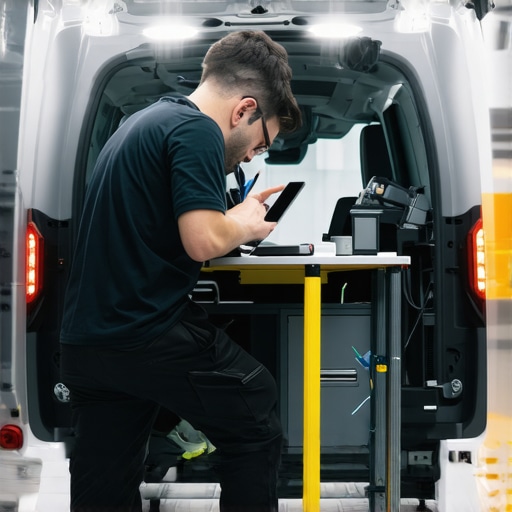
A mobile service van is a mobile glazing shop. We carry shims for leveling, specialized flashing tape for temporary seals, and an array of resins for different chip diameters. When working in a tiny office parking spot, the technician must be aware of the ‘Shingle Principle.’ Even on a vertical pane or a windshield, water flows down. If we are replacing an operable sash or a side lite, we must ensure the weep holes are clear and the sill pan is properly integrated. Many mobile installers forget that the glass is part of a larger water management system. If the sealant at the base of the glass is blocked, water will back up, enter the rough opening, and rot the structural members of the vehicle or the building. We use high-grade urethanes that can withstand the positive and negative wind pressures experienced at highway speeds. This is not just about aesthetics; it is about keeping the glass in the frame during a 70-mile-per-hour gust.
The mobile technician must also be a master of UV wavelengths. In a shaded parking spot, we use artificial UV lamps to trigger the polymerization of the resin. This resin is anaerobic, meaning it cures in the absence of air and the presence of specific light frequencies (usually 365nm). If the technician is lazy and relies on a cloudy sky, the cure will be incomplete. The resin will remain soft, and within weeks, it will yellow and shrink, leaving the chip vulnerable to further cracking. We use a pit filler resin for the final layer, which is harder and more resistant to the friction of wiper blades or cleaning chemicals. It is about layering the repair just like a master glazier layers a curtain wall.
Final Logistics: The Same-Day Requirement
The demand for same-day service is driven by the fact that a chip is a ticking time bomb. Every bump in the road, every change in temperature, and every slam of a door puts stress on that fracture. In a mobile context, the ‘Rough Opening’ of our schedule is tight. We have to get in, stabilize the glass, cure the resin, and polish the surface in under an hour. This requires a level of focus that is often missing in the industry. We don’t use ‘caulk’ to hide mistakes; we use chemistry to erase them. When the repair is done, the surface should be flush with the surrounding glass, with no glazing bead interference and no muntin obstructions. The goal is total transparency, both in the glass and in our technical process. Don’t buy the marketing hype of the ‘instant fix.’ Buy the science of a controlled, technical repair performed by someone who knows the difference between a U-Factor and a SHGC rating. Precision is the only thing that keeps the shards in the frame when the world gets bumpy.
{“@context”:”https://schema.org”,”@type”:”LocalBusiness”,”name”:”Professional Mobile Glass Repair”,”description”:”Expert same-day mobile glass and chip repair services using master glazier techniques in any location.”,”address”:{“@type”:”PostalAddress”,”addressLocality”:”Urban Centers”,”addressRegion”:”National”},”serviceType”:”Mobile Glass Installation and Chip Repair”}