The hidden moisture that kills phones days after a spill
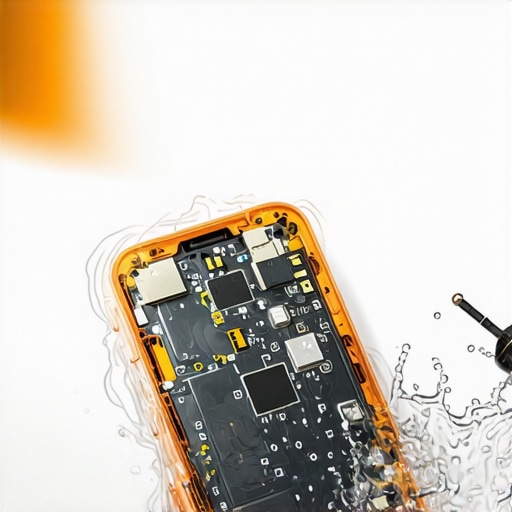
The logic of hidden moisture is a universal constant of physics whether it is trapped behind the logic board of a smartphone or vibrating within the wall cavity of a high-performance home. You have seen it with electronics: a coffee spill occurs, the device is wiped dry, and it functions perfectly for seventy-two hours. Then, the corrosion takes hold. In the world of fenestration, we call this the delayed failure of the building envelope. Just as that phone dies days later, a window with poor flashing logic will rot a structural header years after the first rain event. As a master glass installer with over twenty-five years in the field, I have seen the same-day chip repair requests turn into full-scale structural rehabilitations because the owner ignored the science of water management. When you call for a mobile service to fix a simple crack, you are often inviting a specialist to look at the health of your entire rough opening.
The Seattle Post-Mortem: A Narrative of Neglect
I pulled a vinyl window out of a house in Seattle and the header was completely black with rot. Why? The previous installer relied on the nailing fin instead of proper flashing tape. The homeowner thought they had a high-performance barrier because they paid for triple-pane glass, but the interface between the window and the wall was a disaster. This is the ‘caulk-and-walk’ mentality that plagues our industry. The installer used a standard bead of cheap silicone to bridge a gap that was far too wide, failing to recognize that vinyl expands and contracts at a rate significantly higher than the surrounding wood frame. Over three seasons, that bond broke. Water did not pour in; it wicked. Through capillary action, moisture moved behind the fin and sat against the OSB sheathing. By the time the drywall started bubbling, the structural integrity of the wall was compromised. This is why a same-day fix is rarely as simple as it sounds on a flyer. Understanding the dew point is not just for lab technicians; it is the daily bread of a glazier who actually cares about the longevity of the structure.
“Installation is just as critical as the window performance itself. A high-performance window installed poorly will fail.” AAMA Installation Masters Guide
The Science of the Rough Opening
When we talk about a window, we are talking about a hole in a perfectly good wall. Managing that hole requires an understanding of the shingle principle. Water must always be directed down and out. This starts with the sill pan. If your glass installer is not using a pre-formed or site-fabricated sill pan with a rear back-dam, they are setting you up for failure. The sill pan ensures that any water that bypasses the primary seals is collected and drained through weep hole channels to the exterior. Without this, moisture remains trapped, much like the liquid inside a phone casing, slowly eating away at the electrical or structural components. The rough opening must be prepared with a high-quality flashing tape that integrates with the weather-resistive barrier. We do not just slap a window in and shim it until it is level; we create a localized drainage system. Each shim must be placed strategically so it does not interfere with the drainage path or the movement of the operable sash. In cold climates like Chicago or Minneapolis, the U-Factor becomes our primary metric. We are fighting the migration of heat from the inside to the outside. When the U-Factor is low, the interior glass surface stays warmer, which prevents the air from reaching its dew point and dumping moisture on your wood muntin or glazing bead.
[IMAGE_PLACEHOLDER]
Thermal Dynamics and Glass Performance
In northern regions, the enemy is heat loss and the subsequent condensation. We look for a low U-Factor and a high Solar Heat Gain Coefficient (SHGC) if we want to utilize passive solar heating. The physics of the Low-E coating are fascinating. We typically place the coating on Surface #3 for cold climates. This allows the short-wave solar radiation to enter the home but reflects the long-wave infrared radiation back into the room. If we were in the south, we would flip that logic and put the coating on Surface #2 to reject heat before it even enters the glass assembly. This is where the ‘Tin Man’ salesman fails the consumer. They sell a generic product without understanding the orientation of the house. A mobile service that offers a same-day chip repair on a high-performance IGU (Insulated Glass Unit) must be careful. If the vacuum seal is breached and the argon gas escapes, the thermal performance of that unit drops by thirty percent instantly. Replacing that gas is not something you do with a kit from a hardware store; it requires a controlled environment or a full factory-sealed unit replacement.
“The physical properties of the fenestration system must be matched to the local climatic conditions to ensure both durability and energy efficiency.” ASTM E2112 Standard Practice
The Material Science: Vinyl vs. Fiberglass vs. Wood
Every frame material reacts differently to the hidden moisture we are discussing. Vinyl is a popular choice because it is cost-effective, but its thermal expansion coefficient is high. It grows and shrinks like a living thing. If the installer does not leave enough room in the rough opening for this movement, the frame will bow, and the mitered corners will crack. Fiberglass, on the other hand, is made of glass fibers and resin, meaning it expands at almost the exact same rate as the glass itself. This leads to a much more stable seal and a lower risk of seal failure in the IGU. Wood is the gold standard for aesthetics, but it is high maintenance. If the glazing bead is not perfectly sealed, water will sit in the rebate and rot the sash from the inside out. This is the architectural equivalent of the ‘dead phone.’ It looks fine on the outside, but the internal logic is gone. When performing a chip repair on these different materials, the approach must vary. A chip in a wood-cladded unit might be a sign of structural stress, whereas a chip in a vinyl unit might just be an impact. A same-day assessment by a qualified glass installer can determine if the unit is salvageable or if the moisture has already begun its work.
Water Management: The Final Defense
The ultimate goal is to ensure that the drip cap at the head of the window is properly integrated. This small piece of metal or plastic is the most underrated component in the building envelope. It directs water away from the top of the window, preventing it from ever reaching the critical head flashing. If your installer skips the drip cap because it ‘looks ugly,’ find a new installer. Water management is a science of redundancies. You have the primary seal, the secondary drainage path, and the tertiary weather barrier. If any of these fail, you are on a countdown to a rot repair. Just like a phone requires a sealed case or a waterproof rating, your home requires a fenestration system that respects the laws of thermodynamics and fluid dynamics. Don’t be fooled by high-pressure sales tactics. Look at the NFRC label, check the air infiltration ratings, and ensure your installer knows the difference between a shim and a structural support. In the end, the cost of doing it right is always lower than the cost of doing it twice.