Why your phone speakers sound tinny after a screen swap
The Master Glazier’s Perspective on Micro-Glazing
As a Master Glazier with over 25 years in the trade, I have spent my life obsessing over the structural integrity of glass. Whether it is a forty-story curtain wall or a historic wood sash, the principles of managing the opening are the same. When a client asks why their phone speakers sound thin and hollow after a screen replacement, they are usually surprised when I treat the device like a high-performance building envelope. A smartphone is not just a gadget; it is a micro-environment where the glass serves as the primary barrier against the elements. If your speaker sounds like a tin can, it is because the ‘rough opening’ was not properly managed during the ‘glazing’ process.
“Installation is just as critical as the window performance itself. A high-performance window installed poorly will fail.” – AAMA Installation Masters Guide
The Condensation Crisis: A Narrative of Failed Seals
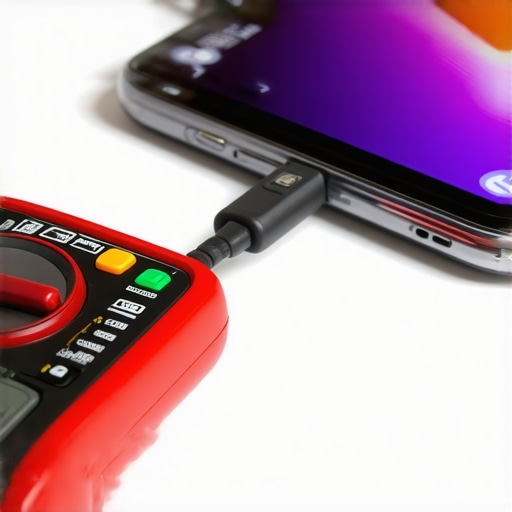
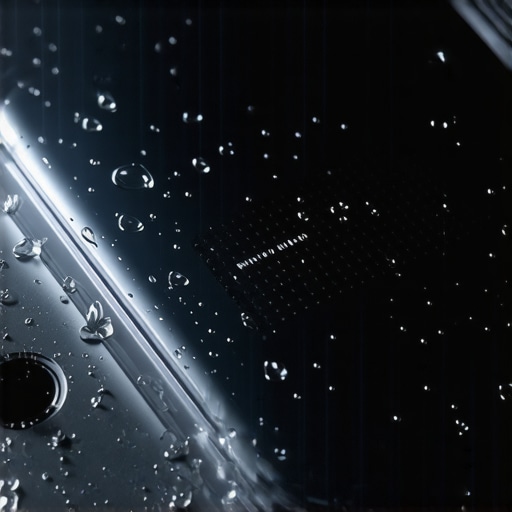
I recall a homeowner who called me in a panic because their newly repaired phone was ‘sweating’ behind the front-facing camera lens. I walked in with my hygrometer and showed them the internal humidity was nearly 60 percent. It was not a hardware defect; it was their lifestyle combined with a poor mobile service job. The technician who performed the same-day repair had failed to replace the perimeter gasket, leaving a gap in the thermal barrier. When they moved from their air-conditioned home into the humid South Carolina heat, the dew point shifted inside the device. That moisture did more than fog the lens; it saturated the speaker’s acoustic foam, changing the resonant frequency of the chamber and creating that dreaded tinny sound. This is why a professional glass installer treats every seal with the same gravity as a storefront installation.
The Physics of the Acoustic Rough Opening
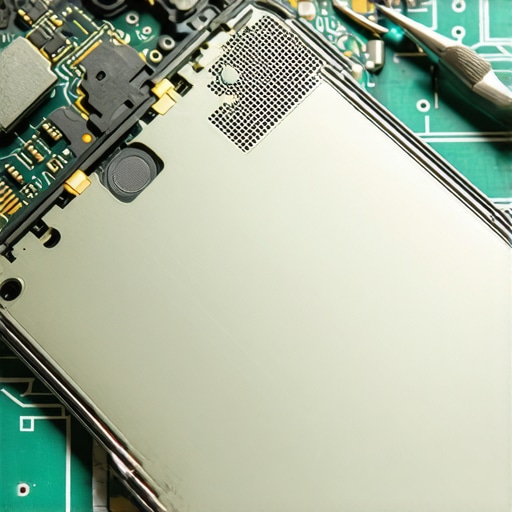
In the window world, the rough opening is the space in the wall where the window sits. In a phone, the rough opening is the frame that houses the screen and the speaker components. To prevent air and sound leakage, we use a glazing bead—in this case, a high-tack, pressure-sensitive adhesive gasket. If the tech skips the shim process or fails to align the screen perfectly within the frame, you create an ‘acoustic bypass.’ Sound waves, much like heat, take the path of least resistance. Instead of being pushed through the speaker mesh (the weep hole of the phone), the sound vibrates into the internal cavity of the device. This lack of compression turns your premium smartphone into a resonant box, stripping the low-end frequencies and leaving you with nothing but high-pitched, tinny noise.
Climate Logic: The Southern Heat Factor
For those in the South or hot climates like Texas and Florida, the Solar Heat Gain Coefficient (SHGC) is king. We install Low-E coatings on Surface #2 to reflect heat back outside before it ever enters the building. A phone screen is no different. It is a multi-layered glazing system designed to dissipate heat from the processor while resisting the radiant heat of the sun. If a mobile service technician uses a sub-par adhesive that cannot handle high temperatures, the bond ‘wets out’ and loses its structural capacity. In the heat of a car dashboard, that adhesive softens, the screen shifts a fraction of a millimeter—no more than the thickness of a muntin—and the airtight seal of the speaker chamber is broken. Suddenly, your waterproof device is an open sieve for humidity and a disaster for audio fidelity.
The Installation Autopsy: Why Chip Repair Principles Matter
When we perform a chip repair on a windshield or a plate glass window, we are restoring the structural continuity of the material. A screen swap should be viewed through the same lens. Most ‘same-day’ repairs fail because they treat the screen as a modular part rather than a structural component. Without proper flashing tape (adhesive strips) and a dedicated sill pan (the speaker enclosure), the speaker cannot build the back-pressure required for rich sound. I have seen countless devices where the ‘glazing bead’ was lumpy or contaminated with skin oils, preventing a flush fit. When the screen is not perfectly seated against the frame, it acts like an un-caulked window in a windstorm—it whistles, vibrates, and fails to insulate.
“The energy performance of a fenestration product is determined by the total system, including the glass, the frame, and the spacers.” – NFRC Selection Guide
Managing the Micro-Sash: Technical Requirements
To fix a tinny speaker, you must look at the operable parts of the system. The speaker diaphragm requires a sealed environment to function. If the technician does not use a precision-cut gasket that matches the original equipment manufacturer’s specs, the air pressure escapes. In my shop, we call this a failure of the ‘shingle principle.’ Just as water must flow down and out, sound must be directed forward. If the ‘flashing’ around the speaker mesh is misaligned, the sound is trapped. You need a glass installer who understands that even a micron-scale gap is a failure of the entire glazing system. Don’t settle for a ‘caulk-and-walk’ repair; demand that your tech validates the seal before the device is closed.