Why mobile glass shops use UV lamps in the shade
The Technical Reality of the Mobile Glass Repair
A client called me in a panic because their new windshield repair was ‘clouding’ over just forty-eight hours after a mobile service visited their office. I arrived with my hygrometer and a high-intensity inspection light. I showed them that the internal humidity of the glass laminate was spiked because the previous installer had performed the repair in direct, high-noon sunlight without moisture evacuation. It was not a failure of the glass; it was a failure of the installer to respect the atmospheric conditions and the chemistry of the resin. This is the difference between a ‘caulk-and-walk’ amateur and a master glazier who understands the molecular bond between glass and acrylic polymers. When you see a professional mobile service setup a UV lamp while parked under a shade tree or a carport, you are watching a technician manage the solar heat gain and the curing rate of the repair material.
The Physics of UV Resin and Photo-Initiators
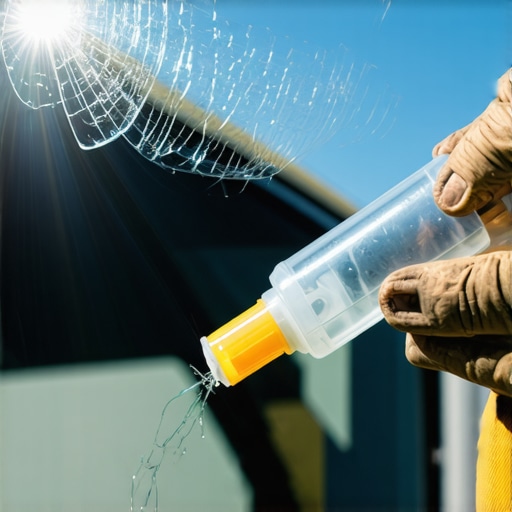
The resins used in modern chip repair are not simple glues. They are sophisticated anaerobic acrylic polymers that contain photo-initiators. These chemicals remain in a liquid state until they are exposed to a specific wavelength of ultraviolet light, typically in the 365 to 400 nanometer range. In a professional glass installer environment, we must control the timing of this reaction with surgical precision. If a technician attempts a same-day repair in direct sunlight, the UV radiation from the sun is so intense that it triggers a ‘flash-cure.’ This means the resin hardens the moment it touches the outer surface of the glass, effectively sealing the crack before the resin has had time to migrate into the microscopic fissures of the break. By working in the shade, we negate the uncontrolled UV source, allowing us to use a bridge and injector tool to create a vacuum. This vacuum pulls air out of the break, and the subsequent pressure cycle pushes the resin into every corner of the rough opening created by the impact. Only after we are certain the resin has reached the full depth of the damage do we introduce the UV lamp to initiate the polymer cross-linking process.
“Installation is just as critical as the window performance itself. A high-performance window installed poorly will fail.” AAMA Installation Masters Guide
Thermal Stress and the Expansion Coefficient
Glass is a dynamic material. It expands and contracts based on the thermal load it experiences. In high-heat environments like Texas or Florida, the surface temperature of a windshield can exceed 150 degrees Fahrenheit. If you apply a cold resin to a hot windshield in the sun, the glass is at its maximum expansion. As the glass cools later in the shade, it will contract, putting immense pressure on the newly cured resin. This often results in the repair ‘popping’ or the crack extending further across the laminate. A master glazier uses the shade to normalize the glass temperature. We look at the Solar Heat Gain Coefficient not just for residential windows, but for the thermal mass of the vehicle glass. When the glass is in the shade, the molecules are more stable, and the gap we are filling is at its natural state. This ensures that once the UV lamp completes the cure, the bond is permanent and can withstand the vibration and wind pressure of highway driving. Just as a residential window requires a sill pan and flashing tape to manage environmental loads, an auto glass repair requires temperature management to ensure structural integrity.
The Role of the UV Lamp in Professional Curing
The UV lamp is a calibrated tool, not a flashlight. Mobile service technicians use these lamps because they provide a consistent, high-intensity output that the sun cannot guarantee, especially on overcast days or late in the afternoon. The lamp ensures that the resin reaches its full Shore D hardness rating quickly. This is essential for the same-day service that customers expect. If the resin is under-cured, it remains slightly tacky, which allows road grit and washer fluid to contaminate the repair over time, eventually leading to yellowing or structural failure. We use a curing film over the pit of the repair to exclude oxygen, as oxygen can inhibit the curing process of these specific resins. This is similar to how a glazing bead secures the glass in a sash; the curing film secures the resin in the pit until the UV lamp can lock it in place. Without this controlled environment, the repair is compromised from the start.
“The success of a glass repair is predicated on the exclusion of contaminants and the controlled application of curing energy.” ASTM E2720 Standard Practice
Mobile Service vs. Shop Environments
People often ask why they should choose a mobile service glass installer over a brick-and-mortar shop. The answer lies in the equipment. A high-end mobile rig is a rolling laboratory. It contains multiple resins with varying viscosities to match the temperature and the type of break—whether it is a bullseye, a star-break, or a combination. In a shop, the environment is controlled, but in the field, we must create that control. This involves using shims to level the bridge on curved glass surfaces and ensuring that the weep hole area of the vehicle cowl is clear of debris so that any cleaning agents used do not pool and cause corrosion. We treat the windshield frame with the same respect as a rough opening in a luxury home. Every detail, from the vacuum pressure to the nanometer output of the UV lamp, is calculated to restore the refractive index of the glass so that the repair is virtually invisible and the structural strength is restored to nearly one hundred percent of its original rating.
Water Management and Resin Integrity
One of the most overlooked aspects of chip repair is moisture. If it rained the night before, there is microscopic water trapped in the break. If a technician just drops resin in and hits it with a UV lamp, that water is trapped. When the sun hits that glass later, the water turns to vapor, expands, and blows the repair out from the inside. This is why we use dry-out tools—often heat-based or vacuum-based—before the resin is even introduced. We manage the dew point inside the glass. This technical rigor is why professional repairs last the life of the vehicle, while DIY kits from a big-box store usually fail within a month. A master glazier knows that we are not just fixing a hole; we are managing the stresses of a structural component of the vehicle. The windshield provides up to thirty percent of the cabin’s structural integrity in a rollover accident, and the resin bond must be perfect to maintain that safety margin.
How to Ensure Your Glass Repair is Done Right
In conclusion, the use of UV lamps in the shade is not a matter of convenience; it is a fundamental requirement of chemical engineering and thermal dynamics. By controlling the environment, the professional glass installer ensures that the resin forms a permanent, molecular bond with the glass. This protects the driver, preserves the glass, and provides the best return on investment for the vehicle owner. Do not settle for a service that ignores the science of the cure.