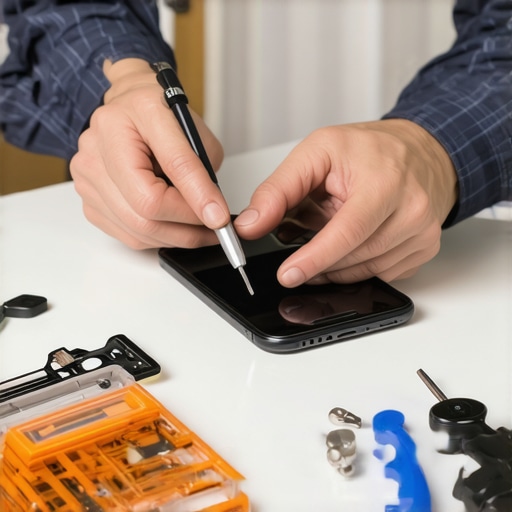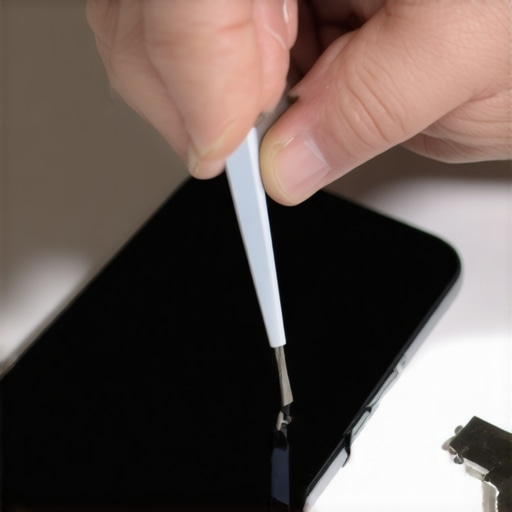
Why we use plastic spudgers instead of metal blades on your screen
The Precision of the Spudger: Why Tools Matter in Modern Glazing
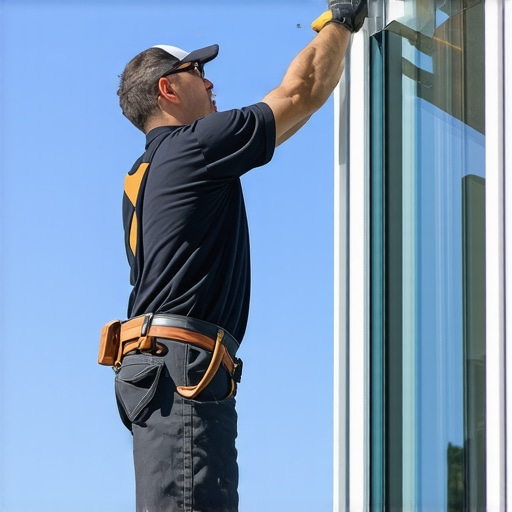
In my two decades as a glass installer, I have seen every imaginable shortcut taken by ‘caulk-and-walk’ contractors. One of the most common, yet devastating, mistakes involves the choice of tools used for simple tasks like screen replacement or chip repair. To the uninitiated, a metal blade looks like a more durable, professional tool. To a master glazier, a metal blade in the wrong hands is a weapon of mass destruction for a window’s thermal integrity and finish. When we arrive for a mobile service call, the plastic spudger is our most trusted ally. This tool, often overlooked by DIY enthusiasts, is the difference between a same-day repair that lasts twenty years and a botched job that leads to frame oxidation and seal failure.
I remember sitting across from a homeowner who had recently purchased a set of high-end, powder-coated casement windows. He was furious because a previous mobile service provider had used a flathead screwdriver to reseat a screen spline. I had to explain to him why the ROI on those expensive windows had just plummeted. The metal tool had gouged through the protective coating down to the raw aluminum, initiating a galvanic corrosion process that would eventually cause the glazing bead to fail. It was a classic ‘Tin Man’ scenario where the installer prioritized speed over the physics of the material. I spent that afternoon not just fixing the screen, but educating him on why the molecular hardness of a plastic spudger is specifically chosen to be lower than the window’s finish, ensuring that the tool yields before the frame does.
“Installation is just as critical as the window performance itself. A high-performance window installed poorly will fail.” AAMA Installation Masters Guide
The Physics of Surface Tension and Material Hardness
To understand why we use plastic spudgers, we must ‘Glaze Zoom’ into the material science of a modern window frame. Most high-performance frames are either vinyl, fiberglass, or thermally broken aluminum. These materials are finished with specific coatings designed to reflect UV radiation and resist environmental degradation. A carbon steel blade sits much higher on the Mohs scale of hardness than these finishes. When a metal blade makes contact with a sash or a glazing bead, it creates micro-fractures. These aren’t always visible to the naked eye, but they are more than large enough for moisture to penetrate. In a cold climate like Chicago or Minneapolis, water enters these micro-fractures, freezes, and expands. This cycle eventually peels the finish and compromises the rough opening’s weather-tightness.
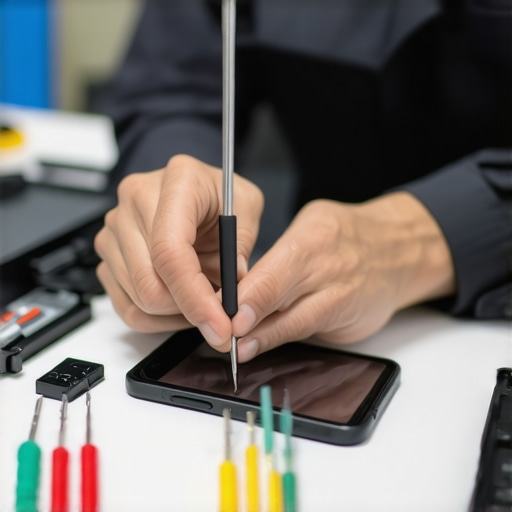
The plastic spudger, conversely, is designed to be sacrificial. When we are working on a chip repair or pushing a spline into a groove, the spudger conforms to the contours of the operable sash. It allows us to apply the necessary PSI to seat the screen mesh without shearing the fiberglass filaments. If you use a metal tool on a screen, you risk cutting the very mesh you are trying to install. Furthermore, in our mobile service, we often deal with ‘same-day’ repairs where the glass is still under thermal stress. A metal tool can act as a heat sink or a point of impact that triggers a stress crack, especially if the glass has a high Solar Heat Gain Coefficient (SHGC) and has been sitting in the sun.
The Role of the Glazing Bead and Proper Tooling
The glazing bead is the strip of vinyl or aluminum that holds the glass unit in place within the frame. It is a precision-engineered component that must be handled with extreme care. During a mobile service call for a chip repair or a glass swap, we must remove these beads without warping them. A metal pry bar will almost always leave a ‘smile’ or a dent in the material. This isn’t just an aesthetic issue. A warped glazing bead creates a gap in the secondary seal of the Insulated Glass Unit (IGU). Once that seal is compromised, the argon or krypton gas fill escapes, and you are left with a foggy window and a skyrocketing U-Factor.
Using a plastic spudger allows us to gently lever the bead out of its channel. This maintains the structural integrity of the sash. If the bead is damaged, the entire window’s ability to manage water is gone. Weep holes, those small exits at the bottom of the frame, rely on the glass being perfectly seated to direct water outward. If a metal tool has deformed the frame or the bead, water can bypass the drainage system and pool at the sill pan, leading to the dreaded rot repair scenarios I have seen all too often in older homes.
“The window assembly must be installed and flashed to shed water to the exterior. Any compromise in the frame’s surface can lead to internal moisture accumulation.” ASTM E2112 Standard Practice
Mobile Service and the Science of Chip Repair
When it comes to same-day chip repair, the tools are even more specialized. A chip in a window is essentially a localized failure of the glass’s surface tension. Our mobile service technicians use plastic injectors and bridges for a reason. If we were to use metal components directly against the glass, the risk of the chip ‘blooming’ into a full-length crack due to mechanical pressure is nearly 80 percent. The plastic components provide enough flex to allow the resin to bridge the gap without adding unnecessary stress to the glass pane.
In northern climates, the U-Factor is the most critical metric on your NFRC label. A low U-Factor means the window is excellent at keeping heat inside. However, this performance is dependent on the Low-E coating, which is often a microscopic layer of silver or other metal applied to the glass surface. If an installer uses a metal scraper to clean up excess resin or debris from a chip repair, they can easily scratch that Low-E layer. Once that coating is scratched, its ability to reflect long-wave infrared radiation is nullified in that spot, creating a ‘cold point’ where condensation will eventually form. We use plastic scrapers and spudgers to ensure that the coating, which is often on surface number two or three of the glass, remains pristine.
Why Homeowners Should Demand Better
The next time you hire a glass installer for a mobile service repair, watch their tool belt. If you see them reaching for a rusty putty knife or a metal screwdriver to fix a screen or a bead, stop them. A true professional understands that the tools must be matched to the substrate. The transition from metal to plastic tools in the glazing industry represents a shift from ‘rough carpentry’ to ‘high-performance fenestration.’ We aren’t just fixing a hole in the wall; we are maintaining a complex thermal barrier. Whether it is ensuring the muntin bars are aligned or that the shim is properly placed in the rough opening, every detail matters. The plastic spudger is a symbol of that attention to detail. It shows that the installer values the long-term health of your window over the five minutes they might save by using a more aggressive, inappropriate tool. Don’t let a ‘caulk-and-walk’ installer turn your high-performance investment into a maintenance nightmare. Demand the precision of plastic and the expertise of a master glazier.