Why your car smells like chemicals for an hour after a glass swap
The Pungent Reality of New Glass
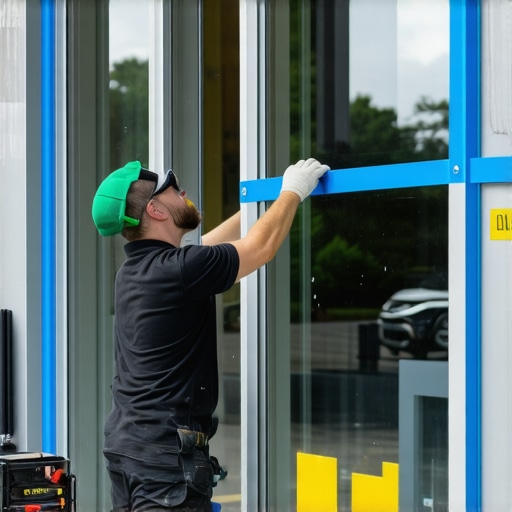
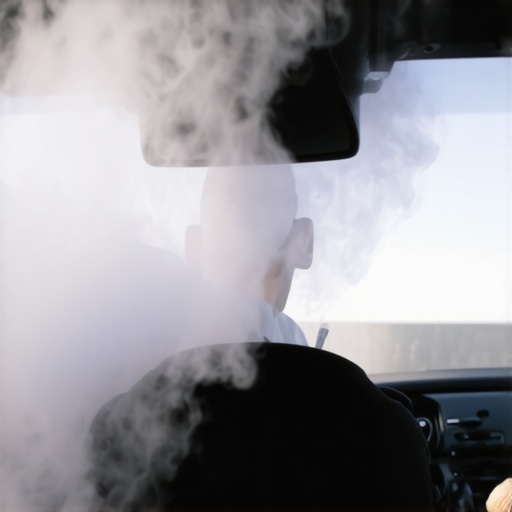
You hop into the driver seat after a same-day glass swap and it hits you: an acrid, vinegary, or heavy chemical scent that sticks to the back of your throat. For the uninitiated, this might seem like a reason for concern, but for a master glazier with 25 years in the trade, that smell is the scent of a structural bond in progress. In the world of high-stakes glazing, whether we are talking about a curtain wall on a skyscraper or the windshield of a sedan, the chemistry of the adhesive is the only thing standing between a successful installation and a catastrophic failure. When you hire a mobile service for a glass replacement, you are essentially turning your driveway into a temporary laboratory. That smell is the result of Volatile Organic Compounds (VOCs) and isocyanates being released as the urethane transitions from a liquid state to a rigid, high-modulus solid.
I pulled a windshield out of a client SUV in downtown Phoenix once, and the entire pinchweld was a graveyard of rusted metal and bubbling paint. Why? The previous mobile glass installer relied on a quick-dry sealant but skipped the essential primer-to-metal bonding step, trapping moisture underneath a layer of foul-smelling, un-cured chemicals. The smell the owner reported wasn’t just the initial off-gassing; it was the scent of the metal oxidizing under a failed seal. This is why understanding the chemistry of your glass installation is vital. We aren’t just slapping a piece of glass into a hole; we are managing a complex interface of materials that must withstand wind pressure, temperature swings, and structural torsion.
“Installation is just as critical as the window performance itself. A high-performance window installed poorly will fail.” – AAMA Installation Masters Guide
The Anatomy of the Smell: Urethane and Isocyanates
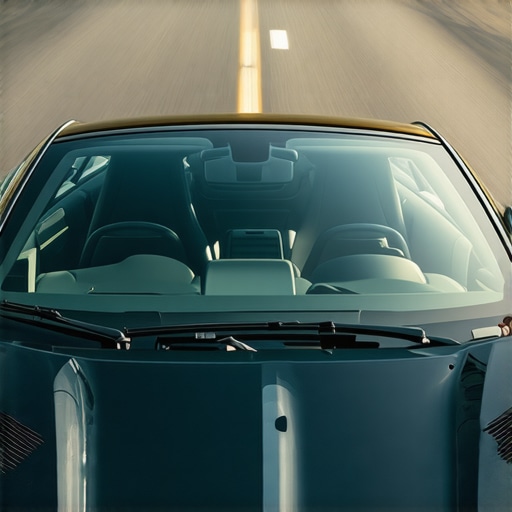
The primary culprit behind that post-swap odor is the high-viscosity polyurethane used to bond the glass to the vehicle’s frame, or what we call the Rough Opening in architectural terms. Modern windshields are a structural component of the car; they provide up to 60 percent of the roof’s strength in a rollover accident. To achieve this strength, installers use a specialized urethane that cures through a reaction with ambient humidity. During this chemical reaction, solvents and monomers are released into the air. This process, known as off-gassing, is most intense in the first hour after application. If you have ever been near a commercial glazing project when we are sealing Glazing Bead sections or applying structural silicone, the smell is remarkably similar because the fundamental chemistry of bonding glass to a substrate remains consistent across industries.
The specific odor often comes from the primers used before the urethane is applied. These primers contain solvents like methyl ethyl ketone (MEK) or acetone, which are designed to flash off quickly. The Flashing Tape principles we use in home windows to prevent water ingress have an equivalent in the automotive world: the black frit on the edge of your glass. That black ceramic band isn’t just for decoration; it protects the urethane from UV degradation. Without the proper primer and frit, the bond would fail within months. When the installer applies these primers, they must wait for a specific flash-off time. If they are in a rush to provide same-day service and apply the urethane too quickly over wet primer, the chemical smell will be significantly more intense and the bond integrity will be compromised.
The Installation Autopsy: Why Quality Matters
In this installation autopsy, we have to look at the Sill Pan equivalent of a car: the cowl area. Water management is a science. Just as we use a Sill Pan in a home to direct water away from the framing, a car uses a series of Weep Hole structures and plastic cowls to manage rain. If a mobile service technician is sloppy, they might block these drainage paths with excess urethane. This not only leads to a stronger chemical smell inside the cabin because the sealant is closer to the HVAC intake, but it also invites mold and rot into the interior. A true professional understands the Shingle Principle: everything must overlap in a way that gravity pulls water down and out, never allowing it to pool against the adhesive bond.
Many homeowners ask about the ROI of high-end glass, and the same logic applies to your vehicle. A cheap, low-grade urethane might save the glass installer money, but it has a much higher VOC content and a slower Safe Drive Away Time (SDAT). High-quality, high-modulus urethanes used by premium services might smell stronger initially because they are more chemically active, but they cure faster and provide a safer structural bond. If you are in a hot climate like Texas or Florida, the heat actually accelerates the off-gassing. This is where Solar Heat Gain (SHGC) physics comes into play. The glass absorbs radiant energy, heating the urethane bead, which then releases its chemical vapors more rapidly. This is why your car smells like a factory for an hour after a swap in July, whereas in a cold climate like Chicago, the smell might linger but be less pungent.
Climate Logic: Heat, Humidity, and Haze
If you are in the South, the enemy is the sun. We look for a low SHGC to keep the cabin cool, but during a glass swap, that heat is a double-edged sword. It speeds up the cure but also increases the vapor pressure of the chemicals. If you are in a coastal area, the humidity is actually your friend during a urethane install. Since polyurethane sealants are moisture-cured, a humid environment in the Carolinas will actually help the glass reach its structural peak faster than in the bone-dry air of Arizona. However, the glass installer must be careful not to trap too much moisture under the Flashing Tape or moldings, as this can lead to bubbling in the sealant.
“The sealant must be compatible with both the substrate and the glass surface to ensure long-term durability and resistance to environmental stressors.” – ASTM E2112 Standard Practice
When we talk about chip repair, the chemistry is different. We use an anaerobic resin that is cured with UV light. There is almost no smell associated with this because we aren’t using large volumes of solvent-based adhesives. But for a full replacement, the mobile service tech is applying a thick bead of urethane around the entire perimeter. If your car smells like chemicals, it is a sign that the reaction is happening. To mitigate this, I always recommend cracking the windows about an inch for the first two hours. This allows for cross-ventilation and prevents the pressure buildup that can occur when you slam a door, which can actually blow a hole in a fresh, un-cured seal. We call this managing the internal pressure of the Rough Opening.
Final Verdict from the Glazing Bench
Do not be fooled by the high-pressure salesman who tells you that a scentless install is a better install. In the glazing trade, we know that the strongest bonds often come from the most active chemistry. Whether you are replacing a Sash in a historic window or a windshield in a modern electric vehicle, the principles of adhesion, thermal expansion, and water management remain the same. The smell will dissipate within an hour as the solvents flash off and the polymer chains begin to cross-link. What matters more than the temporary odor is the precision of the installation. Was the pinchweld cleaned? Was the primer applied with a steady hand? Was the Shim used to ensure the glass is centered in the opening? These are the questions that determine if your same-day service was a success or a future leak waiting to happen. Buy the numbers, trust the science, and give those chemicals the hour they need to do their job.