How to protect your car’s interior during a glass swap
The Hidden Dangers of a Glass Swap
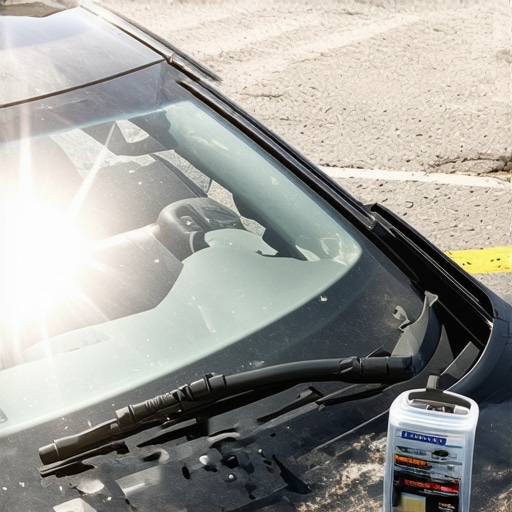
When you hire a mobile service for a same-day windshield replacement, you are essentially inviting a surgical procedure onto your driveway. As a glazier with over two decades of experience, I have seen the aftermath of what I call the ‘caulk-and-walk’ installers. These are the guys who show up, rip out your glass with a cold-knife, slap in some urethane, and leave your car looking like a construction site. They treat your vehicle like a piece of hardware rather than a finely tuned machine with a delicate interior. The reality of a glass swap is that it is messy, dangerous for your upholstery, and chemically volatile. If the installer is not focused on debris management, you will be finding microscopic glass shards in your air vents for the next five years. To a master glazier, the aperture of a car is no different than the rough opening of a high-performance window in a passive house. It requires meticulous flashing, cleaning, and protection of the surrounding substrates.
“Installation is just as critical as the window performance itself. A high-performance window installed poorly will fail.” AAMA Installation Masters Guide
The Debris Crisis: A Cautionary Tale
A car owner called me in a panic last August because their new windshield was ‘fogging’ from the inside. I arrived with my hygrometer and a high-intensity inspection lamp. As I checked the readings, I showed them that the humidity wasn’t the problem; it was their lifestyle of choosing the lowest bidder. The ‘fog’ was actually a fine layer of pulverized glass dust and aerosolized primer overspray that had settled across the entire dashboard and into the leather pores. The installer had failed to use a dash protector or a vacuum-assisted removal tool. This isn’t just an aesthetic issue. That dust is abrasive. Every time the owner wiped their dash, they were essentially sanding it with glass. This is why proper interior protection during a glass swap is not an optional luxury; it is a technical necessity.
The Southern Climate Factor: Heat and UV Vulnerability
In hot, southern climates where the solar heat gain coefficient (SHGC) is the primary enemy of your vehicle’s longevity, the glass swap process carries unique risks. When the windshield is removed, the interior of your car is suddenly exposed to raw, unfiltered ultraviolet radiation and extreme radiant heat. A dashboard that is typically shielded by a Low-E coated windshield (Surface #2) is now a thermal sponge. In places like Phoenix or Miami, an exposed dashboard can reach temperatures exceeding 180 degrees Fahrenheit in minutes. This heat causes the plasticizers in the vinyl to outgas, creating that oily film on the inside of the car. Furthermore, the high humidity in these regions affects the ‘Open Time’ of the urethane adhesive. A professional glass installer must work with a fast-cure, high-viscosity polyurethane that is rated for the specific dew point of the day. If the interior isn’t shielded, the heat from the sun can actually cause the adhesive to ‘skin over’ too quickly, leading to a poor bond at the pinch weld.
The Anatomy of Interior Protection
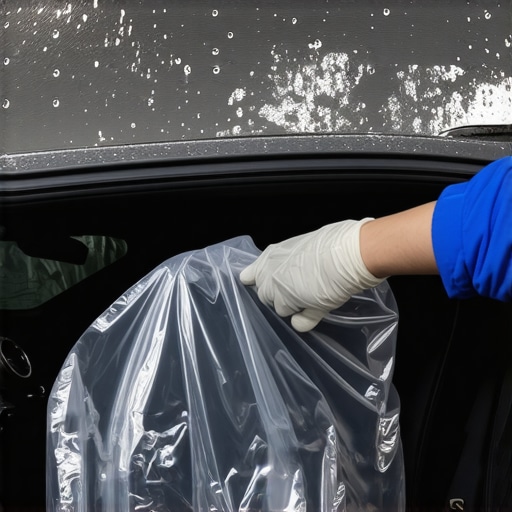
To protect your car properly, the installer must treat the cabin like a clean room. This starts with the cowl and the dashboard. A specialized dash protector, which is a heavy-duty, heat-resistant board, must be slid between the glass and the dash. This prevents the removal tools from gauging the soft-touch plastics. Next comes the use of static-cling plastic sheeting. This material uses a slight electrical charge to attract and hold glass dust, preventing it from drifting into the carpet or the seats. We then look at the HVAC vents. A master glazier knows to tape off the defroster vents. If a single glass chip falls into those vents, it will rattle every time the fan is on, a noise that is nearly impossible to fix without pulling the entire dash. The pinch weld itself, which is the ‘rough opening’ of the vehicle, must be treated with the same respect as a window sill. Any rust or old adhesive must be removed, and the area must be primed with a UV-stable primer to ensure the new seal is watertight and airtight.
“The integrity of the seal is only as good as the cleanliness of the substrate. Contaminants at the bond line are the leading cause of glass failure.” ASTM E2112 Standard Practice
The Science of the Same-Day Chip Repair
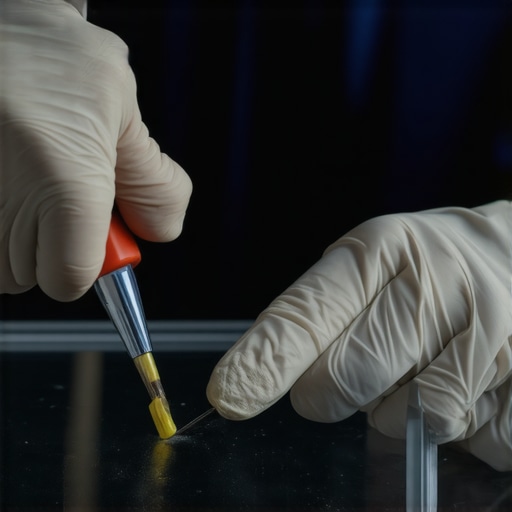
Not every glass issue requires a full swap. A same-day chip repair is often the more sustainable choice, but it still requires interior vigilance. When we inject resin into a bullseye or a star crack, we are using high-pressure tools. If the glass is compromised, there is a small but real risk of the crack spreading or the glass splintering internally. A professional mobile service will always place a drop cloth over the interior console before starting a repair. They understand that the resin used is a chemical compound that can permanently stain leather or melt certain plastics if a drop were to fall. This level of technical precision is what separates a true glass installer from a mere technician. Whether it is a full replacement or a simple chip repair, the goal is to maintain the factory-level finish of the vehicle interior while restoring the structural integrity of the glass.
The Final Vacuum and Inspection
The job is not done when the glass is set. The final step of a professional mobile service is a comprehensive HEPA-filter vacuuming of the entire front cabin. We are looking for those tiny, needle-like slivers of glass that occur during the breakout of the old seal. We also inspect the glazing bead and the exterior trim to ensure they are seated perfectly against the new glass. If you see gaps in the molding, you are looking at a future whistle or a leak. A true professional will also check the operation of the windshield wipers to ensure the motor was not damaged during the removal of the cowl. In the end, protecting your car’s interior is about respecting the physics of the vehicle. It is about understanding that a windshield is a structural component of the car, providing up to 60 percent of the roof’s strength in a rollover. By protecting the interior during the swap, we ensure that the vehicle remains as safe and comfortable as the day it left the showroom.