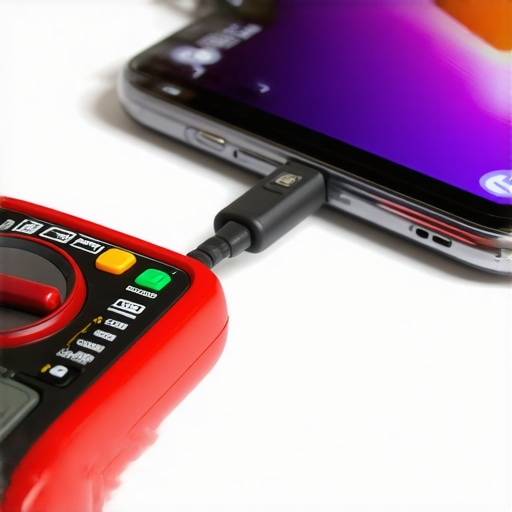
Why your phone feels hot when you use the camera
You have likely noticed that after five minutes of recording 4K video, your smartphone begins to radiate an intense, uncomfortable heat. This happens because the camera sensor and the processor are working at peak capacity, converting electricity into light data and, inevitably, a significant amount of heat. But what does a thermal spike in a handheld gadget have to do with the glass in your home? As a master glazier with twenty-five years in the field, I look at that hot phone and see the exact same physics that affect your living room on a July afternoon. Both scenarios involve the management of radiant energy. If your windows are not specified for your specific climate, your house becomes the processor, and the sun is the external power source that you cannot turn off.
The Thermal Reality Check: A Narrative Takedown
I recall a consultation in a blistering Texas suburb where a homeowner was boasting about the expensive triple-pane windows they had just purchased from a high-pressure salesman. This ‘Tin Man’ had convinced them that more layers of glass always meant better performance. I walked into their sunroom, which felt like a sauna, and pulled out my BTU meter. Despite the three layers of glass, the radiant heat was pouring through. I had to explain that they had purchased windows designed for a Canadian winter. They had a fantastic U-factor, which prevents heat from escaping, but a terrible Solar Heat Gain Coefficient (SHGC) for the South. They were essentially trapping the sun’s heat inside a highly insulated box. It was a classic case of buying the wrong tool for the job. The ROI on those windows, considering the cooling costs, was going to be measured in centuries, not years. This is why understanding the science of the Glazing Bead and the glass itself is more important than any sales pitch.
“Installation is just as critical as the window performance itself. A high-performance window installed poorly will fail.” – AAMA Installation Masters Guide
The Physics of the Glass Class: Decoding the NFRC Label
When you are looking at a new operable window or even a fixed picture unit, you must look past the frame and into the chemistry of the glass. The National Fenestration Rating Council (NFRC) provides the data you actually need to survive a hot climate. The most critical number for anyone in a southern or high-sun region is the SHGC. This value, ranging from 0 to 1, measures how much solar radiation passes through the window. If your phone feels hot when you use the camera, imagine that same energy scaled up to a five-foot by five-foot rough opening. In hot climates, you need an SHGC below 0.25. This is achieved through Low-E (low-emissivity) coatings. For those in the heat, we always specify the coating on Surface #2. In a standard double-pane sash, the surfaces are numbered from the outside in. Surface #1 is the exterior face, and Surface #2 is the inner face of the outermost pane. By placing the silver oxide coating on Surface #2, we reflect the solar infrared radiation back toward the street before it even crosses the air gap into the house.
The Role of Gas Fills and Thermal Breaks
Between those panes of glass is a space that should never be filled with just air. We use noble gases, typically Argon or sometimes Krypton, because they are denser than oxygen. This density slows down the convective loops that form inside the Insulated Glass Unit (IGU). When the exterior pane gets hot from the sun, the gas prevents that heat from easily jumping to the interior pane. Furthermore, the spacer that holds the glass apart should be a ‘warm-edge’ spacer. Older windows used aluminum spacers, which acted like a thermal bridge, conducting heat directly around the edges of the glass. Modern spacers use composite materials to break that bridge. If you see condensation or a ‘sweating’ effect on the edge of your glass, your spacer has likely failed, or you have a thermal bridge that is reaching the dew point. This is where a mobile service technician becomes essential. A professional glass installer can often identify these failures before they lead to mold growth on your muntin or frame.
Water Management: The Science of the Sill
A window is a hole in your thermal envelope, and if it is not managed, it becomes a hole for water. I have seen thousands of installations where the installer relied on a tube of caulk and a prayer. That is unacceptable. A proper installation requires a sill pan. This is a flashing component that sits at the bottom of the rough opening, sloped toward the exterior. If water ever gets past the primary seals of the window, the sill pan catches it and directs it out through the weep hole. Without this, that water sits on your wooden framing, leading to the rot I have seen destroy countless headers and jack studs. We use flashing tape in a specific shingle-lap fashion: the bottom first, then the sides, then the top. This ensures that any water running down the house always stays on top of the barrier. Using a shim to level the window is a precision task; if you over-shim, you bow the frame and the operable parts will bind. If you under-shim, the window will sag, breaking the weatherstripping seal and allowing air infiltration that makes your house feel as hot as that overactive smartphone.
“Standard practice for installation requires that the fenestration product be integrated into the water-resistive barrier using flashing materials that ensure a continuous drainage plane.” – ASTM E2112
The Necessity of Same-Day Repair and Maintenance
In high-heat environments, a small chip in your glass is a ticking time bomb. Because of the extreme temperature differential between the cooled interior and the sun-baked exterior, the glass experiences massive thermal stress. A chip repair is not just about aesthetics; it is about structural integrity. A same-day mobile service can inject a specialized resin into that chip, curing it with UV light to bond the glass back together. If you wait, that chip will expand into a full stress crack as the glass expands and contracts under the midday sun. This is particularly true for tempered glass, which is under internal tension. Once the surface tension is compromised, the entire pane can shatter into thousands of small pieces. Regular maintenance of your glazing bead and ensuring your weep hole paths are clear of debris will extend the life of your windows by decades. Do not be fooled by the ‘maintenance-free’ labels; every mechanical system, especially one that protects you from the elements, requires an expert eye.
Final Verdict: Focus on the Numbers, Not the Hype
When your phone gets hot, you turn it off. You do not have that luxury with your home. To keep your cooling bills low and your comfort high, you must treat your windows as technical equipment. Choose a glass installer who understands SHGC and U-factor, someone who knows that the flashing tape is just as important as the glass itself. Don’t let a salesman talk you into features that don’t match your climate. Look for the NFRC label, check the SHGC, and ensure your installer uses a sill pan. Your home should be a sanctuary, not a heat sink. Control the light, manage the heat, and never settle for a ‘caulk-and-walk’ installation.