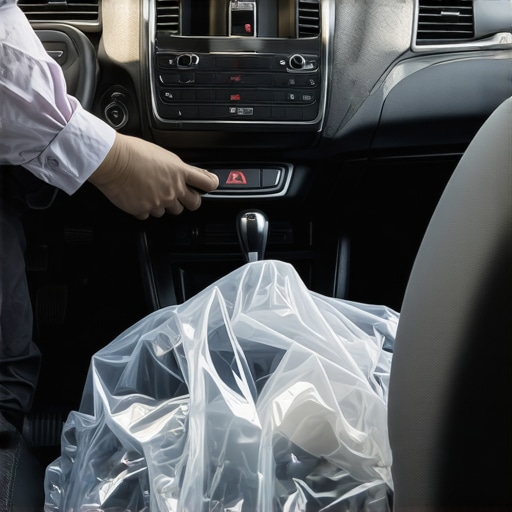
How to protect your car interior during a glass fix
In my twenty-five years as a master glazier, I have seen the anatomy of thousands of glass systems, from structural curtain walls in skyscrapers to the specialized laminated safety glass in modern vehicles. Many people view a car windshield as a simple transparent barrier, but it is a sophisticated structural component that requires surgical precision during a fix. A true professional understands that the glass itself is only half the battle; the surrounding environment, specifically the vehicle interior, is the most vulnerable asset during a chip repair or full replacement. When you hire a mobile service for a same-day glass fix, you are not just paying for the glass installer to swap a part. You are paying for the management of chemical solvents, abrasive glass shards, and thermal dynamics that can ruin a luxury cabin in seconds if not handled with technical rigor.
The Urethane Disaster: A Cautionary Tale
I recall a specific instance where I was called to inspect a botched job in a sweltering parking lot in Florida. A homeowner had hired a cut-rate technician who relied on the ‘caulk-and-walk’ method. As I examined the vehicle, I realized the technician had failed to use proper masking or a sill pan equivalent for the dashboard. A single drop of high-viscosity urethane primer had landed on the perforated leather of the passenger seat. Because the interior was reaching temperatures of 140 degrees Fahrenheit due to the high Solar Heat Gain Coefficient of the cabin, that primer had chemically bonded to the leather’s topcoat almost instantly. The attempt to wipe it off with a solvent only dissolved the leather’s dye, leaving a permanent purple-grey scar on a fifty-thousand-dollar interior. This is the cost of negligence. A professional glass installer treats the interior like a sterile surgical field, recognizing that the dash, the A-pillars, and the headliner are all in the line of fire during a windshield extraction.
“Installation is just as critical as the window performance itself. A high-performance window installed poorly will fail.” – AAMA Installation Masters Guide
Understanding the Physics of the Greenhouse Effect
In hot climates, the glass in your car acts as a heat trap. The visible light enters the vehicle, hits the dark surfaces of the dashboard and upholstery, and is re-radiated as long-wave infrared radiation. Because glass is opaque to this long-wave radiation, the heat is trapped. This is why the Surface #2 of your windshield—the inner face of the outer glass lite in a laminated sandwich—can reach blistering temperatures. When a chip repair is performed, the resin must be injected into the break under pressure. If the interior is not cooled and protected, the thermal stress between the hot glass and the cool repair resin can cause the chip to bloom into a full-length crack. A mobile service professional must manage this thermal gradient by shielding the interior from direct sunlight and using a heat shield or a simple dashboard cover to lower the ambient temperature of the glass before beginning the injection.
Trade Techniques for Interior Defense
The protection process begins with the rough opening, or in automotive terms, the pinchweld. Before the glass installer even touches a cold knife or a wire-cut system, the cabin must be prepared. This involves more than just a quick cloth. We use specialized heavy-duty vinyl covers for the seats and a dedicated dashboard protector that fits tightly against the cowl. During a same-day service, the rush is the enemy of quality. A glazier must ensure that no debris from the old seal—often comprised of crumbly EPDM rubber or old urethane—falls into the HVAC vents. If those particles enter the ventilation system, they can cause odors or mechanical failures in the blower motor. I advocate for the use of magnetic blankets that cling to the vehicle’s exterior panels while also draping over the interior dash, creating a continuous barrier against the fine glass dust that is generated during a chip repair drill-out.
The Science of the Chip Repair Bond
When we perform a chip repair, we are essentially performing a microscopic glazing operation. The resin used is an anaerobic acrylic that requires UV light to cure. However, that resin is a powerful solvent in its liquid state. If a technician is careless with the injector, a ‘bridge’ leak can occur. If that resin touches the plastic glazing bead or the dashboard, it can cause a permanent chemical etch. This is why I insist on the use of a vacuum-cup mounting system that has a built-in reservoir for excess resin. Furthermore, the use of a mirror on the interior side to monitor the repair must be done with a non-marring suction cup. I have seen dashboards with permanent ‘suction rings’ because a mobile service tech used a cheap rubber cup with high plasticizer content that leached into the vinyl dash.
“The integrity of the building envelope, or in this case the vehicle envelope, depends entirely on the chemical and mechanical compatibility of the materials used in the transition zones.” – ASTM E2112 Standard Practice
Managing Visible Transmittance and UV Damage
Many vehicle owners do not realize that the interior of their car is constantly under attack by UV radiation. During a glass fix, the protective barrier is often compromised or removed entirely for a period. A professional glass installer should be able to explain how the replacement glass handles VLT (Visible Light Transmission). If you are in a southern climate, you want a glass with a low SHGC to protect your interior from fading. When the glass is out of the vehicle, the interior is exposed to raw, unfiltered sunlight. A master glazier will use a temporary UV-opaque cover over the opening if the car must sit for any length of time. This prevents the ‘solar baking’ of the interior plastics which leads to the off-gassing of VOCs, that ‘new car smell’ that is actually the sound of your dashboard slowly becoming brittle and prone to cracking.
The Final Inspection: Beyond the Glass
A same-day mobile service is completed only when the interior is restored to a state better than the glazier found it. This includes a thorough vacuuming of the dash and floor mats to ensure no microscopic glass shards remain. In a tempered glass break—like a side window—the glass shatters into thousands of small cubes. These cubes are designed to be safe for skin, but they are incredibly abrasive to leather and fabric. If a glass installer does not use a high-powered HEPA vacuum to clear the seat tracks and the deep recesses of the cushions, the remaining glass will act like sandpaper, shredding the upholstery over time. We also check the weep holes in the bottom of the door frames if a side glass was replaced, ensuring that no glass debris is blocking the drainage path, which would otherwise lead to internal door rot and electronic failure. Water management is a science, and in a car, the interior’s best defense is a perfectly sealed glass unit and a clean, debris-free drainage system.