Why high-quality resin smells different than cheap DIY kits
The Scent of Structural Integrity: A Master Glazier’s Perspective
I sat across from a high-pressure salesman at a regional trade show last year who was trying to push a ‘revolutionary’ new glass repair fluid that cost five dollars a bottle. He called it a game-changer, but I knew better. I took one whiff of the open vial and told the homeowner standing next to me exactly why the ROI on that product was zero. That ‘sweet’ smell wasn’t innovation; it was a high concentration of low-grade solvents and unreacted monomers that would yellow and shrink within six months of exposure to UV radiation. When you have spent 25 years as a glass installer, you don’t just see glass; you smell the chemistry behind the bond.
“Installation is just as critical as the window performance itself. A high-performance window installed poorly will fail.” – AAMA Installation Masters Guide
The Molecular Anatomy of Glazing Resins
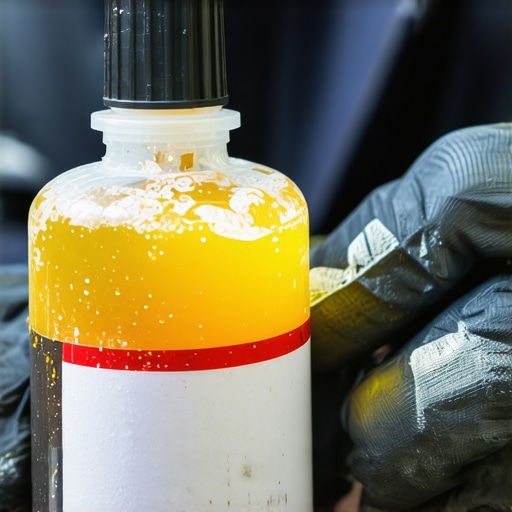
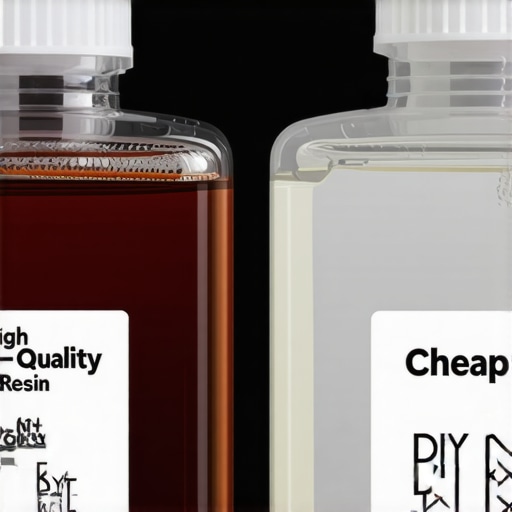
To understand why high-quality resin smells different, we must Glaze Zoom into the molecular level of methacrylates. Professional-grade resins used in same-day mobile service are formulated with high-purity acid monomers. These molecules are designed to create a covalent bond with the silica in the glass. The sharp, pungent odor of industrial resin is the result of these active bonding agents. Cheap DIY kits, conversely, often use a high percentage of fillers and diluents to reduce costs. These fillers have a lower vapor pressure, meaning they don’t ‘off-gas’ the same way, which is why they smell less intense but also why they fail to penetrate the microscopic fissures of a stone chip.
The North/Cold Factor: Why Resin Performance is Climate Dependent
In colder regions, the physics of glass repair becomes a battle against thermal expansion. Glass has a specific rate of contraction as the temperature drops. If you use a cheap resin from a retail store, that material likely has a high coefficient of thermal expansion (CTE). When the January frost hits, the glass contracts, but the low-grade resin becomes brittle. This mismatch causes the bond to shear, turning a small chip into a full-blown crack that spans the entire sash. A professional glass installer selects a resin with a U-Factor-matched thermal profile. This ensures that the repair moves in tandem with the glass, preventing the ‘flowering’ effect seen in amateur repairs. Proper water management is also vital; if moisture enters a poorly sealed chip, it freezes, expands, and destroys the glazing bead’s integrity from the inside out.
The Refractive Index and the ‘Invisible’ Repair
The goal of any chip repair is to restore the refractive index of the glass, which is typically around 1.52. High-quality resins are chemically engineered to match this number precisely. Cheap kits often have a refractive index that deviates by as much as 0.05. While that sounds small, it means that light will bend as it passes through the repair, creating a visible ‘ghost’ or scar. Professional mobile service technicians use vacuum-pressure tools to remove air from the rough opening of the chip before injecting the resin. This prevents air bubbles from being trapped, which would otherwise act as a thermal bridge and compromise the insulation value of the unit.
“Properly executed repairs must restore both the structural integrity and the optical clarity of the fenestration assembly to meet safety standards.” – ASTM E2112 Standard Practice
Why Mobile Service Outperforms the ‘Garage Fix’
A mobile service professional brings more than just a bottle of resin; they bring a controlled environment. When performing a same-day repair, the technician must account for the dew point and the surface temperature of the glass. If the glass is too hot, the resin cures prematurely, before it can wet the entire surface of the crack. If it is too cold, the viscosity increases, preventing it from flowing into the tightest parts of the fracture. The ‘Tin Man’ selling cheap kits won’t tell you that his product’s viscosity is tuned for a narrow 70-degree window. A glazier knows that the chemistry must be adjusted for the reality of the field. From checking the weep hole for blockages to ensuring the shim is properly placed in the rough opening, the details matter more than the sticker price. Don’t buy the hype; buy the chemical science that keeps your glass clear and your home efficient.