Why mobile service is safer for your cracked windshield than driving to a shop
The Structural Reality of Modern Glazing
When you look through your windshield, you are not just looking through a piece of transparent material. You are looking through a sophisticated piece of safety equipment that accounts for nearly 30 percent of your vehicle structural integrity. Most drivers view a small stone chip as a cosmetic nuisance, something to be addressed when the schedule allows. As a master glazier with over two decades of experience in high-performance glass, I can tell you that a compromised windshield is a ticking time bomb for the vehicle cabin environment. Every mile you drive with a crack is a gamble against the physics of torsional stress and thermal expansion.
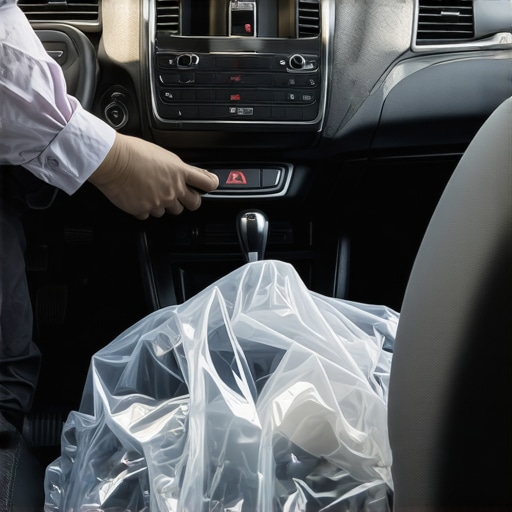
I once saw a vehicle in a post-accident inspection where the passenger side airbag had deployed during a frontal collision. The windshield, which had a pre-existing long crack from a previous month of driving, failed to provide the necessary resistance. Instead of the glass acting as a backstop for the airbag, the glass shattered and pushed out of the rough opening. The airbag inflated toward the exterior of the car instead of protecting the occupant. This happened because the structural bond of the urethane had been compromised by the constant vibration of the crack growing over weeks of driving. This is why the industry is moving toward mobile service as the gold standard for safety. It eliminates the risk of total structural failure before the glass is properly secured.
The Physics of the Chip: Why Motion is the Enemy
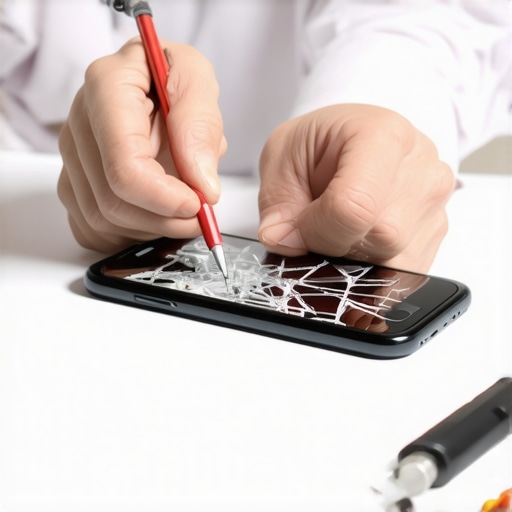
To understand why driving to a shop is dangerous, we must perform a technical zoom into the molecular structure of the glass. Your windshield is a laminate, consisting of two layers of annealed glass bonded by a Polyvinyl Butyral (PVB) interlayer. When a rock hits the glass, it creates a fracture in the outer layer. At the tip of that fracture, the stress intensity is concentrated. In a stationary environment, the chip might remain stable. However, the moment you put the car in gear, you introduce three variables that are guaranteed to exacerbate the damage: vibration, wind pressure, and torsional flex.
“Installation is just as critical as the window performance itself. A high-performance window installed poorly will fail.” AAMA Installation Masters Guide
As you drive, the frame of your car undergoes constant twisting known as torsional flex. When you hit a pothole or even just turn a corner, the metal pinchweld (the rough opening of the car) exerts pressure on the glass. If the glass is intact, it resists this pressure. If it has a chip, the glass cannot distribute the load evenly. The stress finds the weakest point, which is the chip, and forces it to spread into a full-blown crack. This is not just about the crack getting longer; it is about the loss of structural rigidity. By opting for a mobile glass installer, you ensure the vehicle remains static until the repair or replacement is complete, preventing a minor chip repair from turning into a total replacement.
Thermal Stress and the Cure Time Science
In regions where temperature fluctuations are common, the danger of driving to a shop is even more pronounced. This is where we discuss the U-Factor and solar heat gain in an automotive context. If it is a cold morning and you turn on your defroster, you are applying intense heat to the interior surface of the glass while the exterior is at a freezing temperature. This creates a massive thermal gradient. Glass expands when heated. If the expansion is uneven because of a chip, the glass will literally tear itself apart at the point of impact. This is the same reason why we use warm-edge spacers in residential windows to prevent condensation and stress cracks.
When a mobile service technician arrives, they can manage the environment around the vehicle. They check the humidity and temperature of the glass before applying any resins or adhesives. In a shop environment, the car is often moved from a cold parking lot into a heated bay, which can cause the crack to run before the technician even touches it. Mobile service allows for a stable thermal environment. Furthermore, the urethane used to bond the glass to the frame requires a specific cure time before the vehicle is safe to drive. When you drive to a shop, you are often pressured to drive the car back home before the chemical bond has reached its full structural capacity. With mobile service, the car stays in your driveway, allowing the urethane to cure in a controlled, vibration-free state.
“The windshield is a primary safety component of the vehicle. Any compromise in its integrity or its installation can result in a failure of the occupant protection system.” AGRSS (Auto Glass Replacement Safety Standard) Council
Trade Cant: The Tools of the Professional Glazier
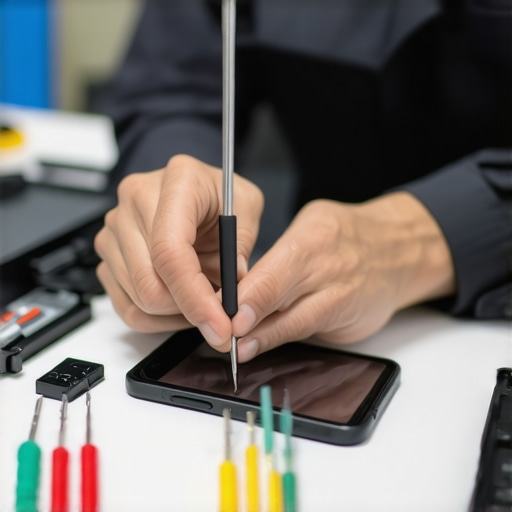
A professional glass installer does not just slap a piece of glass in and move on. They understand the importance of the sash and the glazing bead. In automotive terms, this refers to the precise application of the urethane bead on the pinchweld. If the bead is not uniform, air pockets can form. These pockets can lead to leaks and, eventually, rust. Rust is the master glazier’s greatest enemy. If the metal in the rough opening begins to oxidize because of a poor seal, the new glass will never bond correctly. Mobile technicians carry specialized kits to treat the metal and ensure a clean, primed surface that meets OEM specifications.
The use of a shim or setting block is also critical in ensuring the glass is centered. If the glass sits too low, it can block the weep holes at the bottom of the cowl, leading to water backup and potential electronic damage. A mobile technician has the time and space to ensure every detail, from the placement of the muntin-like trim pieces to the recalibration of the ADAS (Advanced Driver Assistance Systems) cameras, is handled without the rush of a high-volume shop floor.
The Logistic Advantage of Same-Day Mobile Service
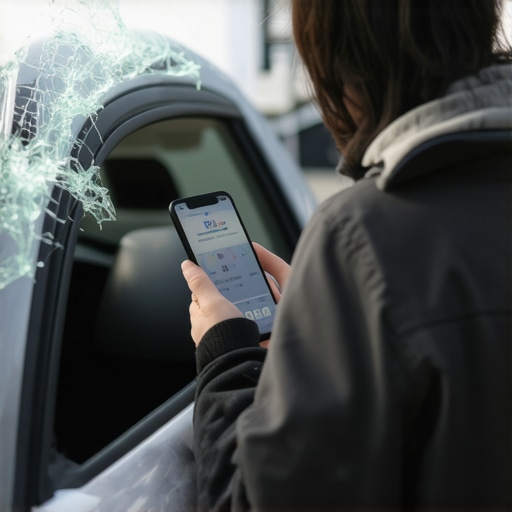
Safety is not just about the physical glass; it is about the safety of the driver. Navigating traffic with a crack that obscures your vision is a liability. Light hitting the edge of a crack can create a prismatic effect, blinding you at the exact moment you need to see a pedestrian or another vehicle. This is why same-day mobile service is more than a convenience; it is a risk mitigation strategy. By having a technician come to your location, you remove the hazardous variable of a compromised line of sight from the public roads. You are choosing a path that prioritizes the structural integrity of your vehicle and the safety of everyone on the road. A chip repair completed in your driveway is a permanent fix that preserves the original factory seal, which is always the strongest bond your car will ever have. Once that seal is broken for a full replacement, you are relying entirely on the skill of the installer to replicate that factory precision. Keeping the original glass through a mobile chip repair is the most technically sound decision a vehicle owner can make.