The reason your car camera throws errors after a glass swap
The Invisible Precision of Modern Glazing
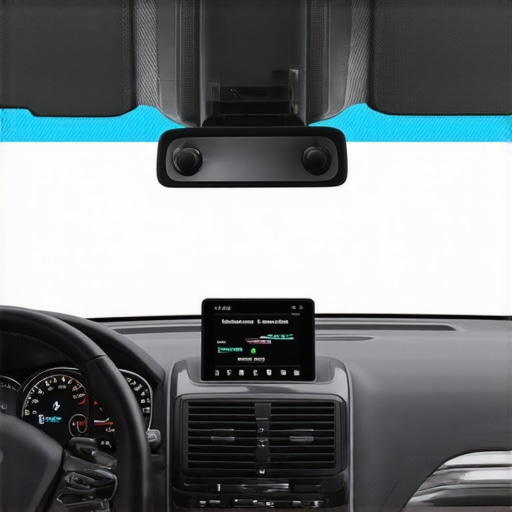
In my twenty-five years as a master glazier, I have seen the industry shift from simple plate glass to high-performance structural components that are essentially computers made of silica. When you see a dashboard warning light screaming about your Lane Departure Warning or Automatic Emergency Braking after a windshield replacement, you are not looking at a software glitch. You are looking at a failure in the physics of glazing. The windshield is no longer just a transparent shield; it is the primary optical lens for your vehicle’s Advanced Driver Assistance Systems (ADAS). If that lens is even a fraction of a millimeter off, the entire system fails. A professional glass installer understands that we are no longer just ‘fitting glass’; we are calibrating a life-saving optical array.
The Condensation Crisis: A Narrative of Precision
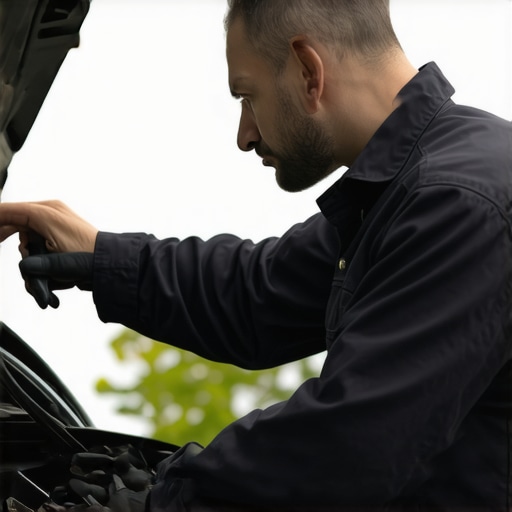
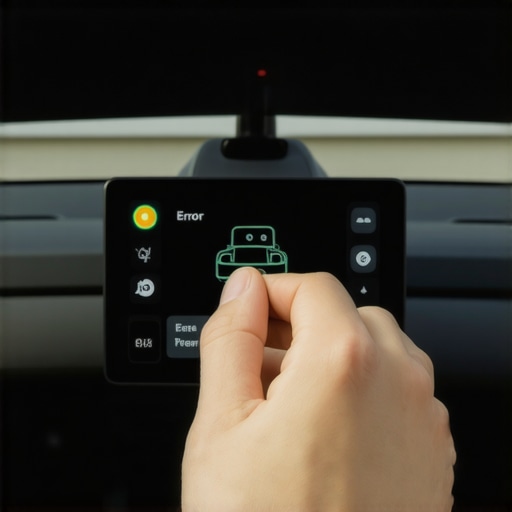
A homeowner called me in a panic because their new windows were ‘sweating.’ I walked in with my hygrometer and showed them the humidity was 60%. It wasn’t the windows; it was their lifestyle. I see this same phenomenon in automotive glass. A client recently came to me after a mobile service replaced their windshield. Every morning, their camera would throw an error for the first twenty minutes of driving. I didn’t look at the computer; I looked at the camera bracket. The previous installer had touched the interior surface of the glass with a bare thumb. That single fingerprint contained enough salt to attract microscopic moisture, creating a localized fogging event inside the ‘sealed’ camera housing that the defroster couldn’t reach. It wasn’t a camera failure; it was a failure of glazing hygiene. In the world of high-performance glass, the difference between a functional system and a dashboard full of errors is often found in the invisible details of the installation process.
“Installation is just as critical as the window performance itself. A high-performance window installed poorly will fail.” – AAMA Installation Masters Guide
The Physics of Refraction and ADAS Errors
To understand why your camera is failing, we have to look at ‘Glazing Zooming.’ Every piece of glass has a Refractive Index. When light passes from the air through the glass and back into the air to the camera lens, it bends. Automotive engineers design camera algorithms based on a specific glass thickness and a precise curvature. If a cheap glass installer uses ‘aftermarket’ glass that varies in thickness by even 0.5mm, or if the Polyvinyl Butyral (PVB) interlayer has varying density, the light hits the camera sensor at the wrong angle. This is known as optical distortion. To the camera, a car 100 feet away might look like it is 105 feet away. The computer detects this discrepancy between the camera data and the wheel speed sensors, and it shuts the system down for safety. This is why ‘same-day’ service often bypasses the critical cooling and curing phases required for the urethane bead to settle into its final ‘Rough Opening’ position, leading to a permanent misalignment of the optical axis.
The Thermal Logic of the North: Heat and Sensors
In cold climates like Chicago or Minneapolis, the glass installer must contend with the ‘Dew Point’ inside the car. Modern windshields often feature a localized heating grid around the camera bracket. This is not just for frost; it is to keep the glass temperature above the dew point to prevent internal condensation. If the replacement glass lacks the proper conductive frit or if the connection to the heating element is compromised during a mobile service, the camera ‘goes blind’ during the first freeze of the year. In these northern zones, the U-Factor of the glass and the integrity of the warm-edge spacers in the camera housing are the difference between a safe drive and a dangerous sensor failure. We aren’t just managing light; we are managing the thermal transition between a 70-degree cabin and a sub-zero exterior.
“Proper calibration of ADAS cameras is not an option; it is a requirement for the functional safety of the vehicle.” – AGRSS Standard 003-2015
The Anatomy of a Proper Installation
A true glass installer treats the car frame like a ‘Rough Opening’ in a high-rise. We don’t just ‘caulk and walk.’ The process requires a surgical level of cleanliness. First, the old urethane is trimmed to a specific height to ensure the new bead bonds perfectly. We use a ‘Sill Pan’ mentality for the cowl area, ensuring that water is directed away from the glass edge through proper ‘Weep Hole’ alignment. If the ‘Glazing Bead’ or the weatherstripping is not seated perfectly, air infiltration can create a venturi effect, sucking moist air directly into the camera housing. This is why a ‘chip repair’ is often a better option for minor damage; it preserves the factory seal. When a full swap is necessary, the ‘Sash’—or in this case, the windshield frame—must be primed with specialized chemicals to prevent rust and ensure a hermetic seal.
The Myth of the ‘Same-Day’ Mobile Service
We need to talk about the ‘Same-Day’ promise. High-viscosity urethane, the glue that holds your glass in place, has a ‘Safe Drive Away Time.’ However, that is the minimum time for the glass to stay put in a crash. It is NOT the time required for the glass to stop shifting. If you drive your car over a speed bump or a curb ten minutes after an install, the glass can ‘Shim’ or settle by a millimeter. For a human driver, this is invisible. For a 4K camera with a fixed focal length, that millimeter shift is a catastrophic failure. A professional glass installer will often insist on a static calibration where the car sits perfectly level, followed by a dynamic calibration where the computer ‘learns’ the new refractive properties of the glass during a controlled drive. Skip this, and you are essentially giving your car a pair of blurry glasses.
Decoding the Label: NFRC and Auto Glass
When you look at the ‘Muntin’ or the corner markings on your glass, you are looking at its DNA. You should see a ‘DOT’ code and often a ‘Solar’ or ‘Acoustic’ rating. In hot climates, we prioritize the Solar Heat Gain Coefficient (SHGC). If the new glass has a different SHGC than the original, the camera housing can overheat in direct sunlight. This triggers a thermal protection shutdown. The glass must have the correct ‘Low-E’ coating on Surface #2 to reflect infrared radiation away from the sensitive electronics. If your installer didn’t match these specs, your camera will work fine in the morning but fail by noon when the radiant heat becomes too much for the sensor to handle.
The Verdict: Quality Over Speed
The reason your car camera throws errors is rarely a faulty camera. It is a failure of the glazing system. Whether it is a microscopic distortion in the glass, a misaligned bracket, or a failure to account for the dew point in the camera housing, the result is the same: a compromised safety system. Do not settle for a ‘Tin Man’ sales pitch that prioritizes speed over precision. Water management, thermal logic, and optical clarity are the pillars of a successful glass swap. When you choose a glass installer, you are choosing the person who calibrates your car’s vision. Make sure they have the tools, the patience, and the technical vocabulary to do it right. Anything less is just a hole in your car’s safety net.
{“@context”:”https://schema.org”,”@type”:”HowTo”,”name”:”How to Prevent Camera Errors After Windshield Replacement”,”step”:[{“@type”:”HowToStep”,”text”:”Ensure the installer uses OEM-spec glass to maintain the correct Refractive Index and optical clarity.”},{“@type”:”HowToStep”,”text”:”Verify that the camera bracket area is cleaned with lint-free, surgical-grade wipes to prevent internal fogging.”},{“@type”:”HowToStep”,”text”:”Allow the urethane to cure for the full recommended duration before performing a calibration to prevent glass shifting.”},{“@type”:”HowToStep”,”text”:”Perform a dual calibration—both static and dynamic—to align the ADAS software with the new glazing geometry.”}]}