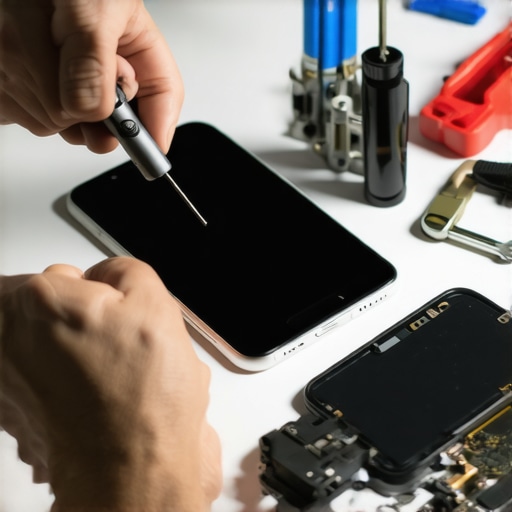
How to save two hundred dollars on your next screen repair
The Hidden Costs of Window Maintenance
In my twenty-five years as a master glazier, I have seen every possible shortcut taken by so-called professionals. The most common error is the assumption that a window is a static object. In reality, a window is a high-performance valve that manages the thermal equilibrium of your home. When we talk about how to save two hundred dollars on your next screen repair, we are not just talking about the mesh; we are talking about the entire structural integrity of the operable unit. Many homeowners are coerced into full window replacements when a surgical glass installer could have performed a chip repair or a screen overhaul for a fraction of the cost. The key is understanding the difference between structural failure and cosmetic wear.
The Sales Pitch Takedown: A Glazier’s Perspective
I recall sitting across from a family in the sweltering heat of a Texas July. They had just finished a presentation with a high-pressure salesman, a classic Tin Man, who was trying to convince them that their entire north-facing facade needed new triple-pane units because a few screens were sagging and one sash had a minor stone chip. He quoted them twelve thousand dollars. I looked at the homeowner and pointed to the weep hole on their existing frames. The frames were perfectly level, the sill pan was bone dry, and the flashing tape was still doing its job. I explained that for less than five hundred dollars, I could provide a mobile service that would restore their solar screens and perform a resin-injected chip repair on the glass. The ROI on his twelve-thousand-dollar proposal was nearly a century; my fix would pay for itself in one cooling season. This is the reality of the industry: knowledge is the only thing that prevents the caulk-and-walk installers from draining your bank account.
“Installation is just as critical as the window performance itself. A high-performance window installed poorly will fail.” – AAMA Installation Masters Guide
The Science of the Screen: More Than Just Bug Mesh
To truly understand how to save money, you must understand the materials. Most residential screens use a standard fiberglass mesh coated in PVC. Over time, UV radiation breaks down the polymers, leading to the brittle, silvery appearance of a failing screen. If you call a same-day mobile service, you are paying for the convenience of their specialized inventory. To save that two hundred dollars, you must look at the spline. The spline is the vinyl cord that locks the mesh into the frame channel. A professional glass installer uses a dual-headed spline roller to ensure even tension across the muntin bars. If the tension is uneven, the frame will bow, creating a gap in the rough opening that allows insects and unconditioned air to bypass the thermal envelope. In hot climates, upgrading to a solar screen with a lower Solar Heat Gain Coefficient (SHGC) is more effective than upgrading the glass itself. These screens block up to ninety percent of radiant heat before it even touches the glazing bead, keeping the glass surface cool and reducing the load on your air conditioner.
The Mechanics of Mobile Chip Repair
When a stone hits a window, it creates a bullseye or a star break. Many homeowners assume the vacuum seal of the insulated glass unit (IGU) is compromised immediately. This is not always the case. A professional glass installer utilizing a mobile service can perform a chip repair using an anaerobic resin. This process involves cleaning the impact zone, injecting a high-viscosity polymer that matches the refractive index of the glass, and curing it with a specific UV wavelength. This prevents the crack from spreading due to thermal expansion and contraction. Since the glass in your home is likely tempered or annealed, managing the surface tension is critical. A failed chip repair leads to a stress crack that eventually requires a full IGU replacement, which can easily cost three hundred dollars or more. Catching it early with a same-day service call is where the real savings are found.
“Field testing has shown that water penetration and air leakage are often the result of improper interface between the window frame and the rough opening.” – ASTM E2112 Standard Practice
The Climate Logic: Why Your Location Dictates Your Costs
In southern regions, the primary enemy is the sun. We are focused on the Solar Heat Gain Coefficient. If your glass installer is worth their salt, they will check the orientation of your windows. On the southern and western elevations, the glass should ideally have a Low-E coating on Surface #2. This reflects the short-wave solar radiation back outside before it can be absorbed by the interior air. When you are looking at screen repair in these regions, you should opt for heavy-duty polyester mesh which has higher durability against the intense UV exposure found in places like Florida or Arizona. This mesh is thicker and requires a specific gauge of spline to seat properly without warping the aluminum frame. If you try to DIY this with a cheap kit from a big-box store, you will likely bend the frame, forcing you to buy a whole new screen assembly, which negates any savings.
Anatomy of a Professional Installation
Whether it is a screen or a pane of glass, the physics of the opening remain the same. Every operable sash must be aligned within the frame to ensure the weatherstripping compresses correctly. When a mobile service technician arrives, they should be checking your shims. If the house has settled, the rough opening might no longer be square. This puts torque on the window frame, making the screens difficult to remove and causing the glass to be under constant stress. A professional doesn’t just swap the mesh; they lubricate the tracks, clear the weep holes of debris, and ensure the glazing bead is seated. This holistic approach is what separates a master glazier from a handyman. By maintaining these components, you avoid the catastrophic failure of the window seal, which is the most expensive repair in the industry.
The Real Math of DIY vs. Professional Service
You might think that buying a roll of mesh and a spline tool is the cheapest path. However, consider the specialized tools of the trade. A professional mobile service truck carries high-tension screen jigs that keep the frame perfectly square during the rolling process. Without a jig, most DIYers pull the mesh too tight, resulting in an “hourglass” frame that doesn’t seal against the window stop. This gap allows the very bugs and heat you are trying to keep out to enter your home. Furthermore, a professional glass installer has access to bulk pricing on high-performance materials like TuffScreen or PetScreen, which last three times longer than standard fiberglass. When you factor in the lifespan of the repair and the specialized resins used for chip repair, the professional service often provides a lower cost per year of life. Saving two hundred dollars is about making the repair once and making it right. Do not be seduced by the low upfront cost of cheap kits that fail within two seasons of high-heat exposure.